Cinderella – A Fairy Tale About the First Feminist?
Cinderella is, according to numerous surveys, the most popular fairy tale in the world. There are officially hundreds of documented and classified versions, starting with a 3,000-year-old story about Rhodopis (Greek), a 1,200-year-old story about Ye Xian (Chinese), and a 500-year-old story about Cenerentola (Italian). Nevertheless, most people are familiar with Cendrillon, a French variation by Charles Perrault from the end of the 17th century, and Aschenputtel, a German variation by the Brothers Grimm from the beginning of the 19th century. Their differences are small, but they reveal how Cinderella reflects changing ideas about women and society.
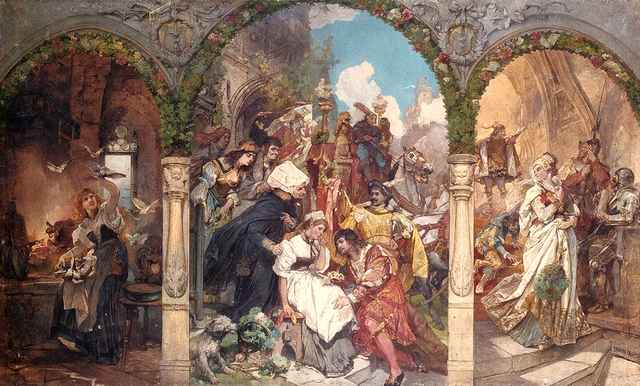
Aschenputtel by Ernst Erwin Oehme
The secret of her success
Cinderella’s story inspired many picture books, movies, theater plays, and computer games.
While it is known in hundreds and hundreds of variants, from the best-known, with a carriage made of pumpkin and a pair of glass slippers, to bloody versions where Cinderella killed her stepmother and got away with it, they all share an important element: injustice.
With such a wide spectrum of plots, we can’t begin any comparison without a few necessary simplifications.
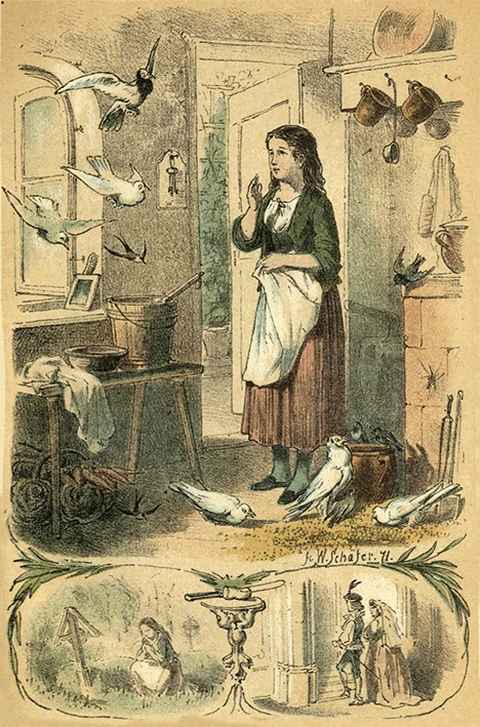
Illustration by Wilhelm Schaefer
The Case of Cendrillon, Aschenputtel, and Cinderella: How do fairy tales reflect the changing role of women in society?
If we want to find the truth behind the success of the story of Cinderella, we have to start somewhere. Why not with two of the most popular literary versions?
One was written by Charles Perrault in 1696, and the other by the Brothers Grimm in 1812. They are both based on La gatta Cenerentola by Giambattista Basile from 1634 and are similar, but when we dig into the details, we’ll find several surprising facts about Cinderella’s character, her role in our culture, and – probably most importantly – about our society.
The main plot (summary) of Cinderella
She lives with her stepmother and two stepsisters, and they treat her as a servant. When an opportunity shows in the form of a ball at the castle, Cinderella’s stepsisters can go, but she is not allowed to. With some magic help, she transforms into a noble lady of astonishing beauty, goes to dance, and charms the prince.
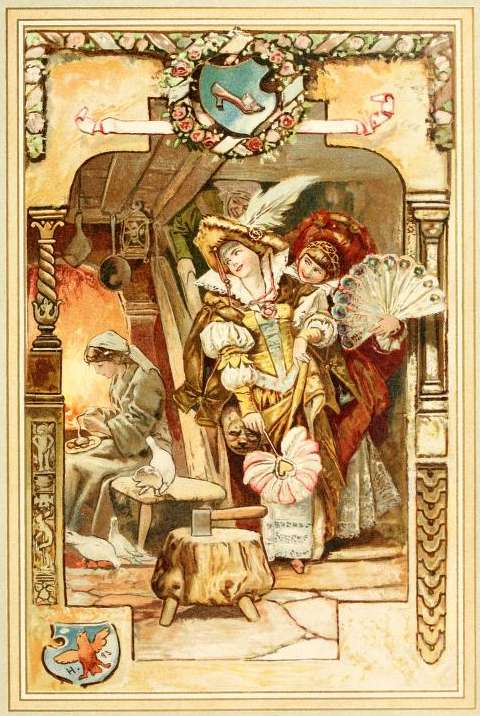
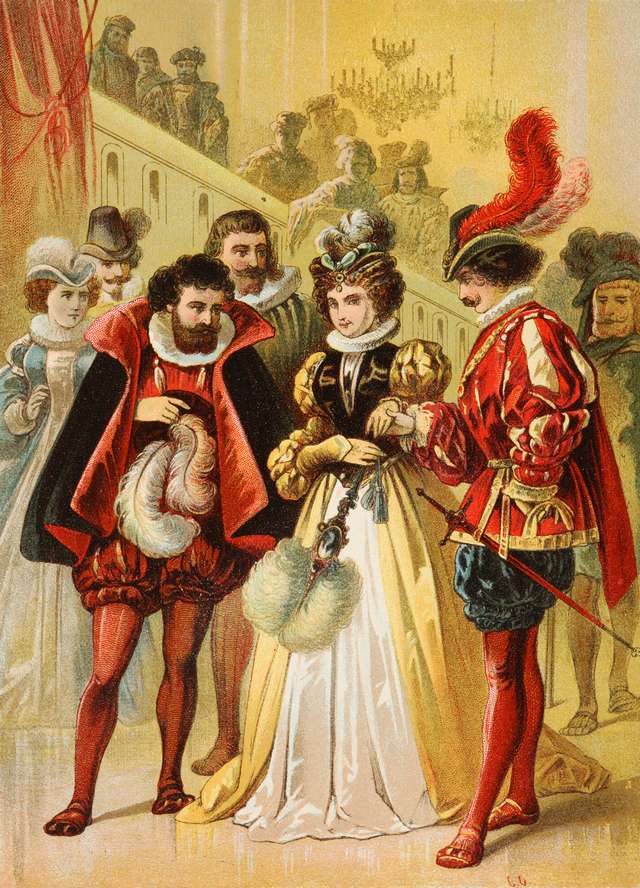
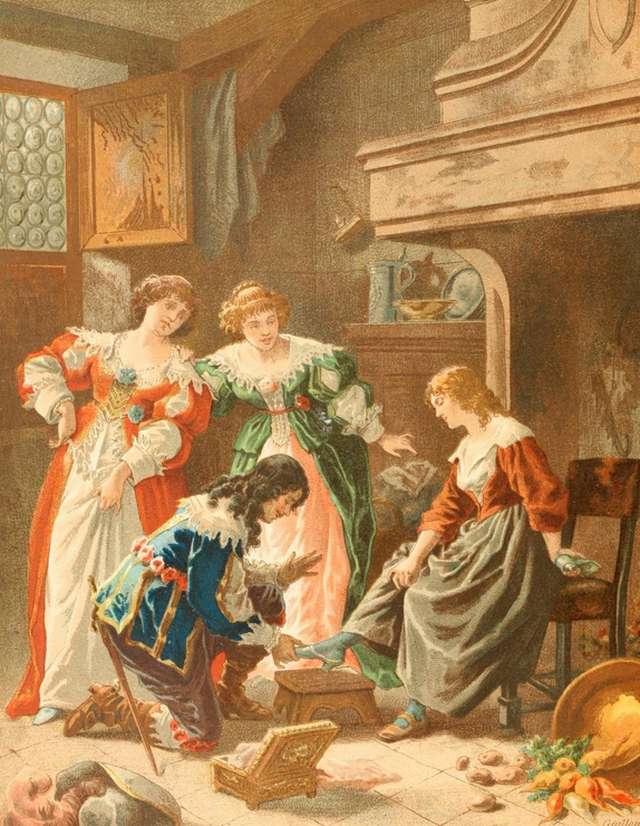
Aschenputtel by Herman Vogel, Aschenbrodel by Carl Offterdinger, Cendrillon by Frederic Theodore Lix
He wants to learn more about her, but she escapes and loses a slipper, which ultimately helps him recognize his future wife in her humble position by the hearth, full of ashes.
Basic differences
We’ll look at Cendrillon (or Little Glass Slipper) by Charles Perrault and Aschenputtel by Jacob and Wilhelm Grimm.
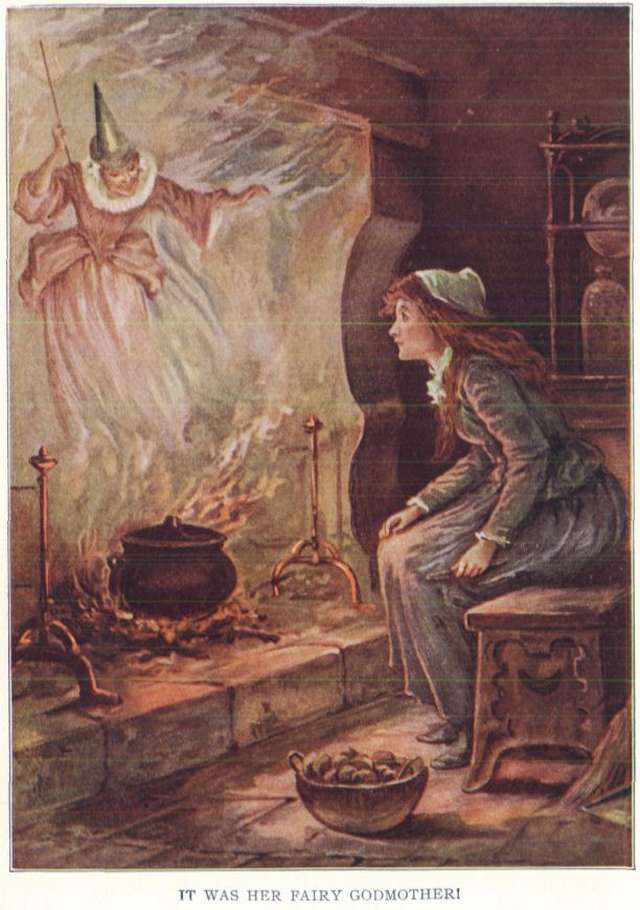
Illustration by Oliver Herford
Charles Perrault:
- We don’t know what happened to Cinderella’s mother.
- We don’t know how her stepsisters look, but Perrault wrote that Cinderella looks a hundred times better, so they were probably not very attractive.
- Cinderella doesn’t express a wish to go to the ball until the ball has already started.
- When her stepsisters leave the house, a fairy godmother shows up and performs all the known tricks with a pumpkin, rodents, and lizards.
- The fairy changed her rags into beautiful clothes.
- She gave her a pair of glass slippers.
- She goes to the castle two evenings in a row.
- After the second ball, Cinderella loses one of her slippers.
- When the prince announces he’ll marry the girl who can put the slipper on, Cinderella’s stepsisters unsuccessfully try to squeeze a foot into a slipper. After that, she is also offered a trial.
- Sisters apologize to Cinderella for their improper behavior; she forgives them, marries a prince, and finds two grooms for the stepsisters as well.
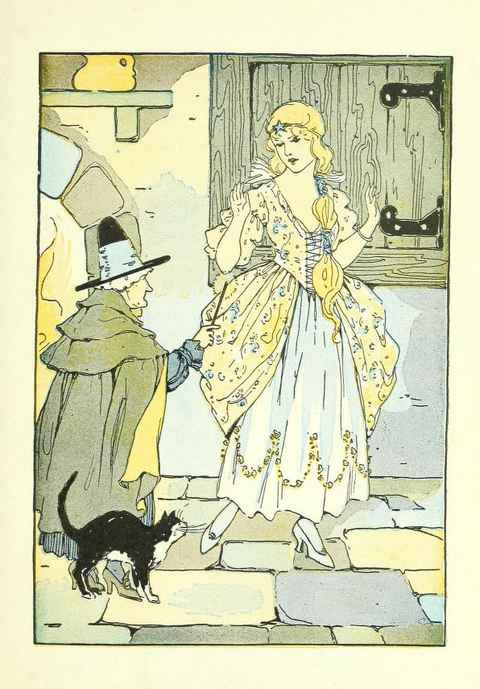
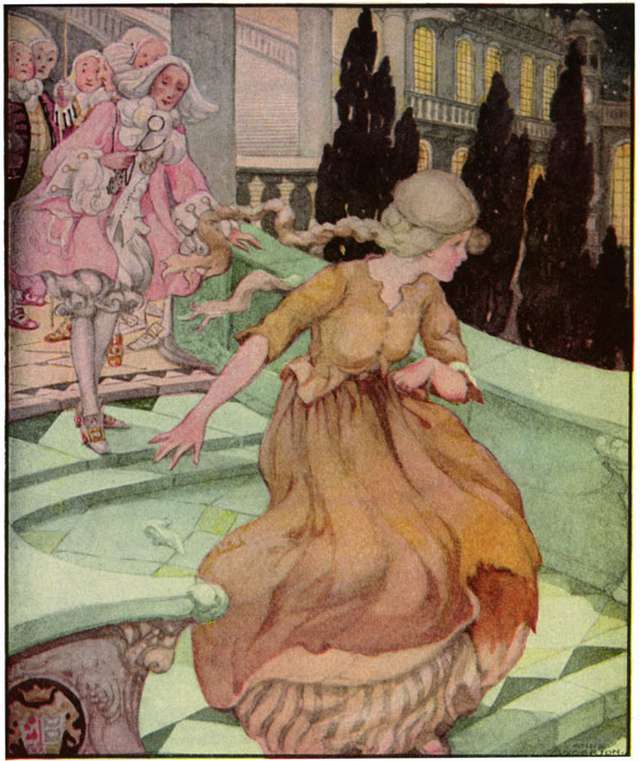
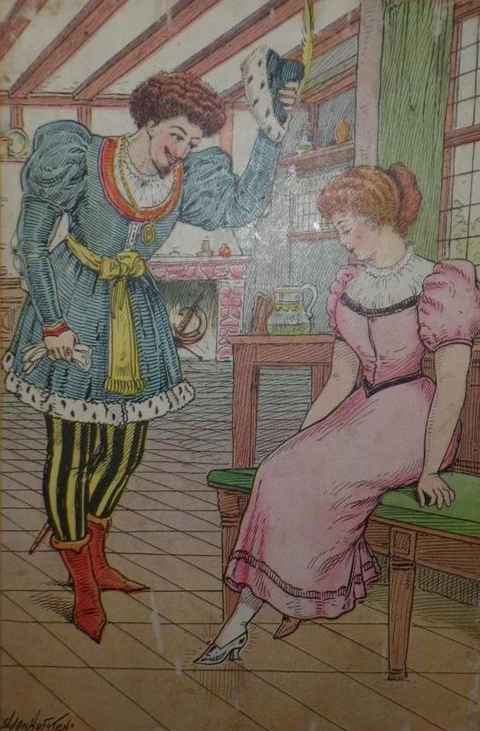
Illustrations by Blanche Fisher Wright Laite (left), Anne Anderson (middle), and Hugo von Hofsten (right)
The main distinctive elements are: fairy godmother, the glass slippers, and a happy ending.
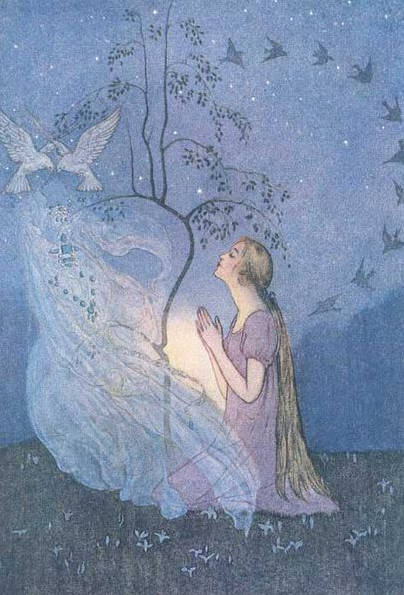
Illustration by Elenor Plaisted Abbott
Jacob and Wilhelm Grimm
- The story starts with her mother dying. Mother instructs her to plant a tree after her death and promises she will help her daughter even after death. (The version with gifts brought from father’s journey and sprig being rubbed against his hat was added later from Beauty and the Beast and is not originally by the Grimms’.)
- When the father remarries, we are informed that both stepdaughters are beautiful but have nasty characters.
- Cinderella mourns her mother under a tree, grown from a branch brought by her father, on her mother’s grave.
- Stepmother and her two daughters are really mean to Cinderella (they call her Aschenputtel). They make fun of her, they take her clothes, and they give her meaningless tasks related to ash.
- When the king announces the ball, Cinderella clearly says she wants to go too, but she can’t because she has no proper dress (no sorting of the peas from ashes in exchange for permission, sorry).
- When her stepsisters leave, pigeons come and offer her help.
- She gets a dress and shoes (golden) from the tree growing on her mother’s grave. This tree was watered by Cinderella’s tears.
- She goes to the castle three evenings in a row, and she mocks her stepsisters when they return from the dance.
- Prince decides to cover the stairs with a pitch on the third evening to prevent her escape, and she loses one of her shoes.
- Search with a shoe becomes a bloody event when the first sister cuts the heel and the second the toe so the slipper would fit on.
- Birds told the truth to the prince both times.
- Prince finally finds the real owner.
- When they marry, birds attack the stepsisters and peck their eyes (this punishment wasn’t in the first edition, but was added to the second and all later editions).
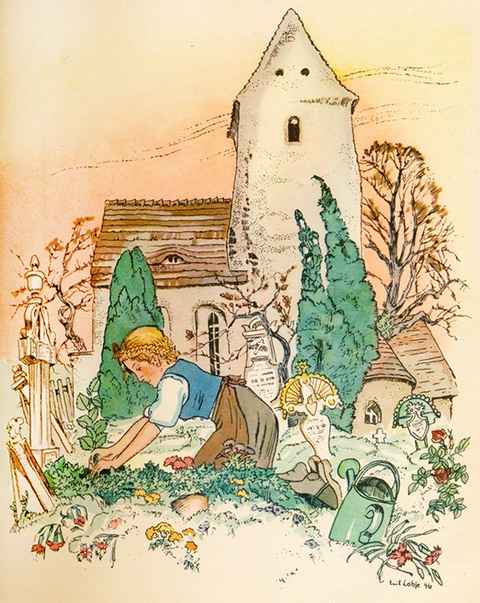
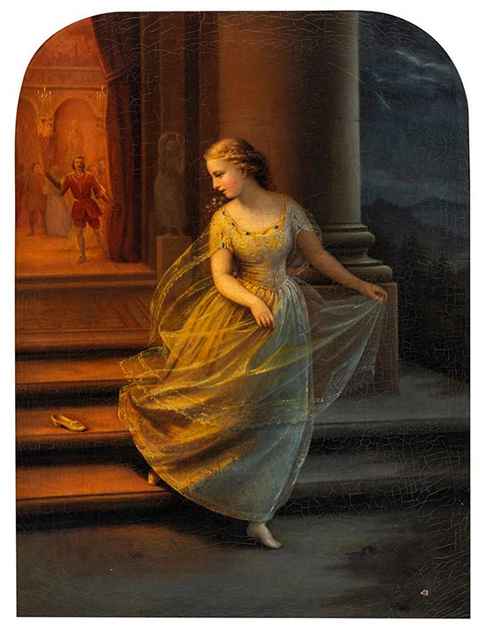
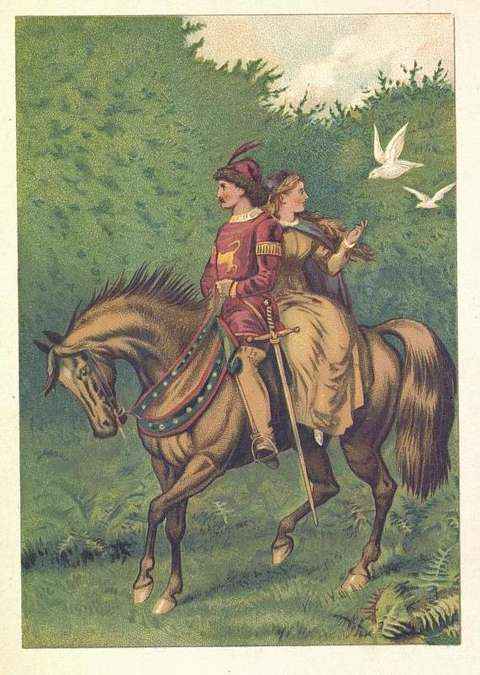
Illustrations by Emil Lohse (left), Caroline Klauhold (middle), and Edward Henry Wehnert (right)
The main distinctive elements are the magical tree, the golden slippers, and revenge at the end.
Which variation of the story about Cinderella is better?
Brothers Grimm, without doubt, wrote a better story.
The motifs of all characters are much better explained, the main character is active, she fights for her right to go to the ball, and there is logic behind her helpers.
The prince is quite active, too, and is making a concerted effort to win her over.
The Brothers Grimm spent a great deal of time rewriting their fairy tales, which began as an idea to collect traditional German folktales. Aschenputtel was no exception. The part with the pigeons pecking the eyes of the evil stepsisters was one of their improvements according to their sense of justice.
This gory detail was skipped in many versions after their death and is probably one of the reasons why the variation by the brothers Grimm never defeated Perrault’s in popularity, despite the fact that his other fairy tales, like Sleeping Beauty in the Woods, lost popularity contests against The Briar Rose, Little Thumb against Hans and Gretel, and Little Red Riding Hood against The Red Cap.
Why is Cendrillon by Perrault more appealing to the audience? She is nice and beautiful, but she is also a perfect example of the passive damsel-in-distress stereotype that is so prevalent in fairy tales that some people try to remove them from library shelves.
Why not Aschenputtel, who embodies hard work and the Calvinist values of the Brothers Grimm? Not only is she nice, beautiful, and persistent, but she also fights for her rights and has a sense of humor.
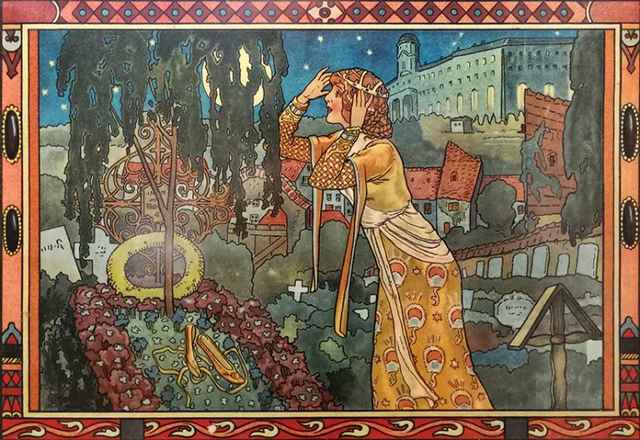
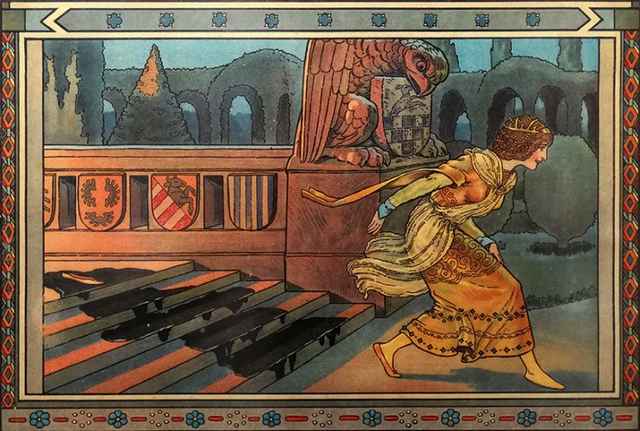
Illustrations by Hanns Anker
Position of women in society in the 17th and 19th centuries
Charles Perrault was a smart guy who, of course, noticed changes in the French court during the reign of Louis XIV. While all important positions in the state were still reserved for men, the rising influence of the fair sex was obvious. Women of noble origin had more and more money. Many were well-educated and became quite powerful. They organized parties and invited whomever they wanted. Ladies, like Madame d’Aulnoy, were actually quite influential.
If someone was skipped from the invitation list, their social standing suffered. Perrault, as a typical guy who climbed the ladder in civil services, didn’t like the idea of being dependent on the fads and mercy of the ladies. His fairy tales give a clear message.
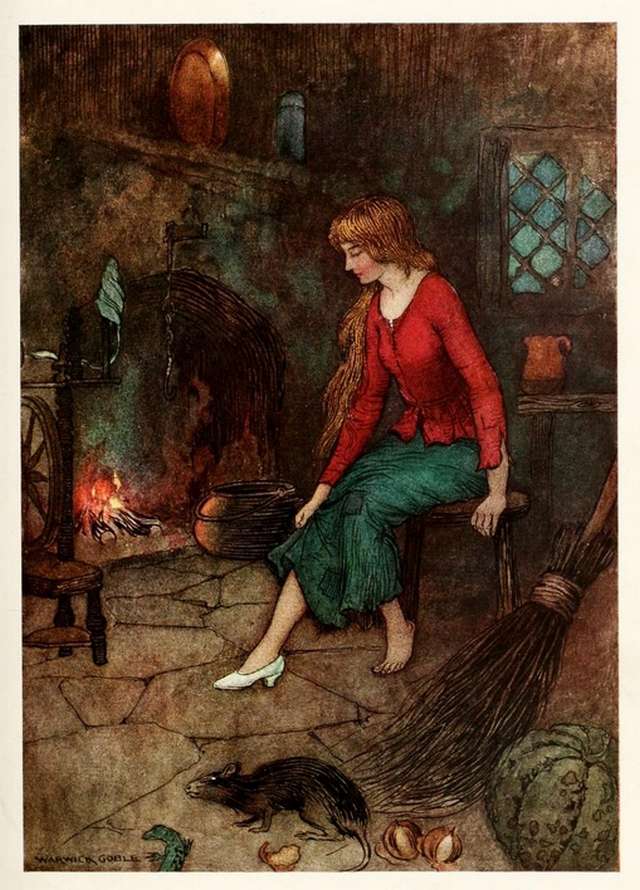
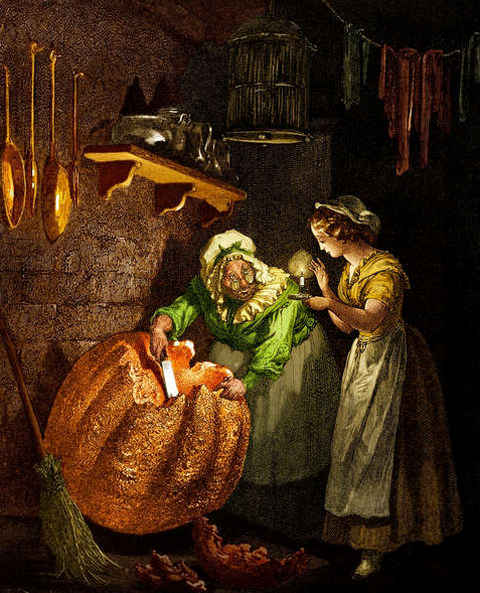
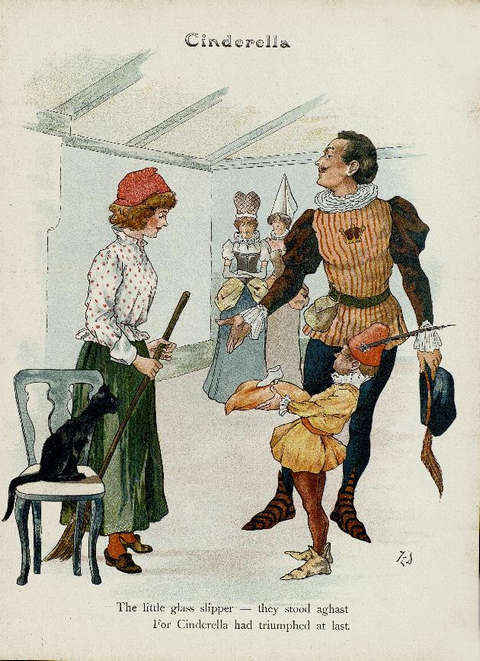
Illustrations by Warwick Goble, Gustave Doré, and Thomas Edward Donnison
A girl should be nice and pretty, but all important decisions should be made by men. His Cinderella is pushed around because she doesn’t have free will. Although she became a princess, it is clear she only changed one passive position for another.
Brothers Grimm were smart as well. Changes in their time were different. Small countries joined together to form larger states with centralized governments. While the nobility remained untouchable in some areas of society, the real power was shifting to those with money.
A new class of bourgeoisie emerged, and women (some of them, at least) began earning significant incomes. The situation in society was changing fast, and the Brothers Grimm realized this was inevitable.
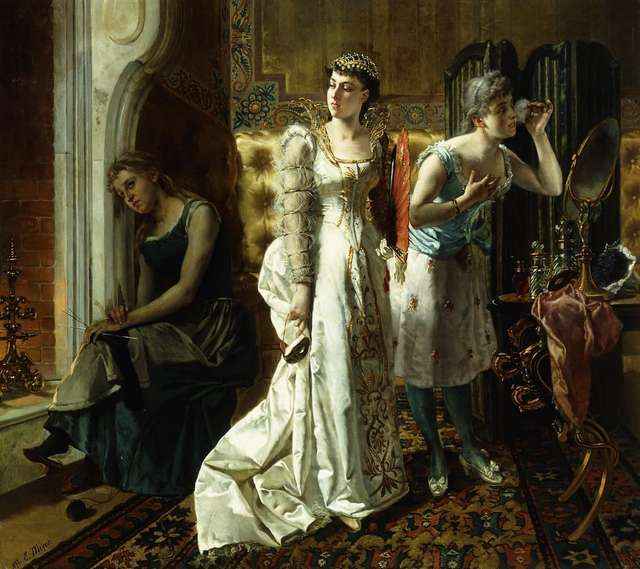
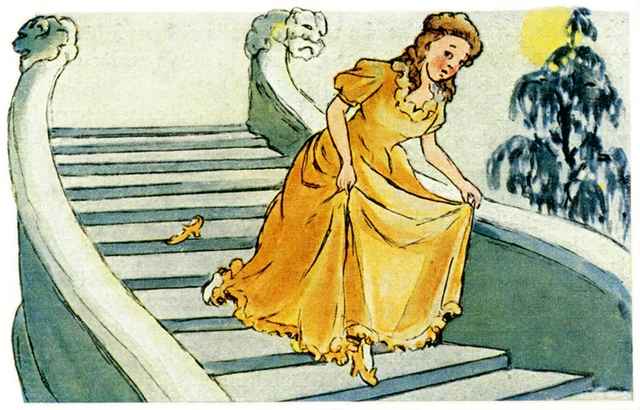
Painting by Emile Meyer (left) and illustration by Gertrud Caspari (right)
But they still believed in some traditional values. While in their opinion, the primary role of a woman should still be raising kids and taking care of the home, she should show much more initiative than ever before. The main character in Grimm’s adaptation of Cinderella is an active participant who defends her rights.
Enters Disney!
After World War 2 and a series of financial flops, Disney Company was on the edge of bankruptcy. When they decided to make a movie about Cinderella, they were not in a position to take any risks. They wanted as much profit as possible to pay out the debts and revive the company.
They had many options when creating characters for the movie and explored many of them during the screenplay drafts, but ultimately used the most stereotypical ones. Family values in American society favored the passive role of women much more than they did in the time of the Brothers Grimm.
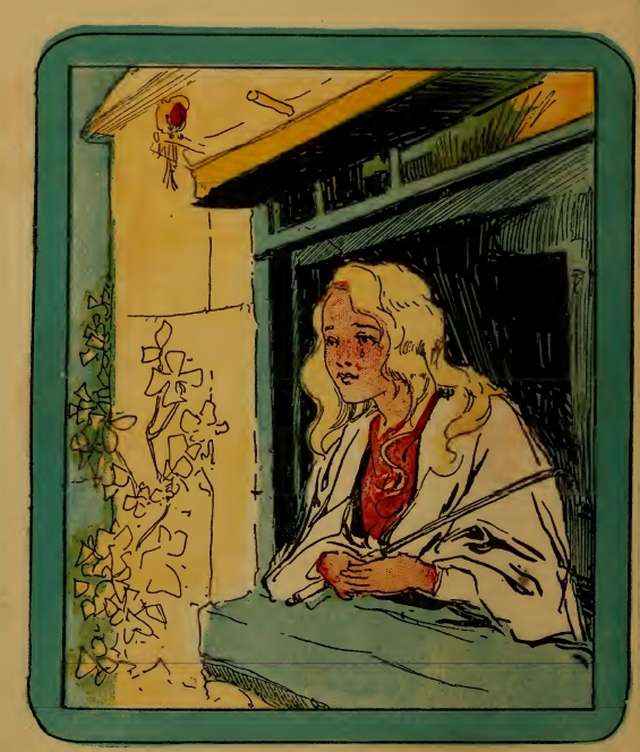
Illustration by John Rea Neill
In the 19th century, the bourgeoisie viewed children as an expense, so they preferred working women to the middle class of the post-war 20th century. The increase in population meant more women stayed home and “produced” babies, who soon became the driving force of modern consumerism. society.
Disney’s Cinderella is a nice, beautiful, and passive lady without real ambition and becomes a model for every modern princess, also known as the Daddy’s Girl. While women eventually gained more power in society, many girls still grow up in the expectation of finding their Prince Charming, who will take care of everything. They are not willing to invest too much in the search, because they are: good-looking, elegant, and friendly (at least to animals) – just like Cinderella!
One more thing: this fairy tale is also one of the most popular (and influential) stories among boys, too!
Additional info
All presented images were created by artists who died at least 70 years ago and published before 1923. This makes them public domain in the European Union and the United States of America.