Category: fairy tales

  • Pentameron

    Pentameron

    Il Pentamerone: The Oldest Known Collection of Fairy Tales

    Il Pentamerone (also known as Lo cunto de li cunti, or The Tale of Tales) is little-known outside academic circles, yet it is foundational to many popular fairy tales. Published in the 17th century, it predates Perrault’s Tales of Mother Goose and the Brothers Grimm’s Children’s and Household Tales, thereby setting the stage for classic fairy-tale literature.

    Understanding Il Pentamerone’s special place in history requires context about its era and Basile’s intent. Its importance lies in its role as the cornerstone of the evolution of fairy-tale storytelling.

    Indeed, some of the oldest versions of well-known tales, including Rapunzel, Cinderella, and The Beauty and the Beast, can be found in The Pentameron.

    The Book

    One of the most popular books in the 15th and 16th centuries was definitely Giovanni Boccaccio’s Decameron. It presents 100 stories, each told by one of 10 people over 10 days.

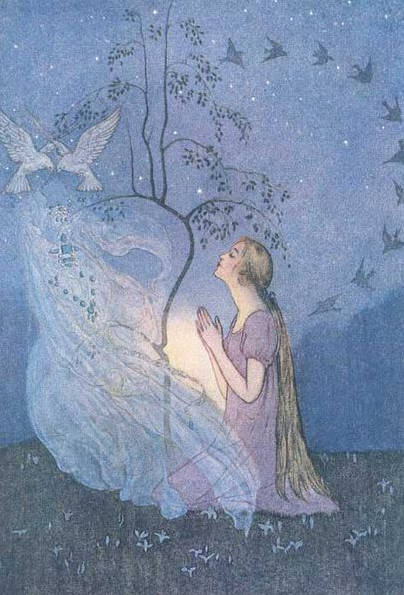
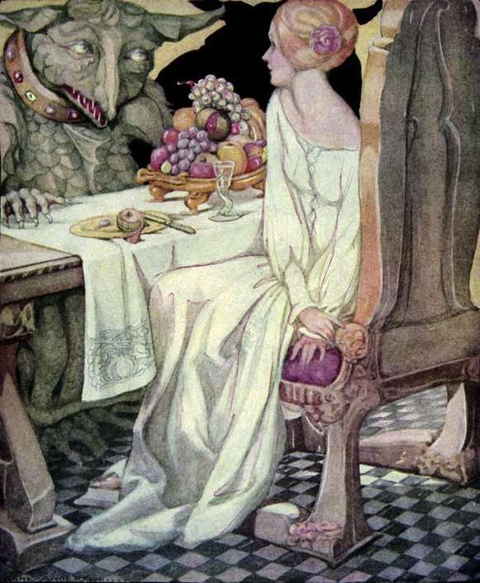
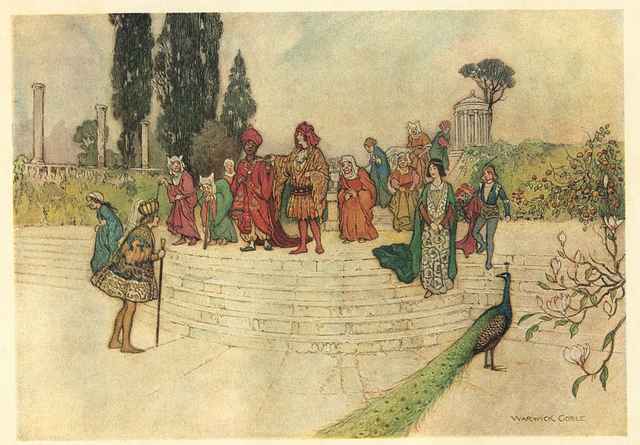
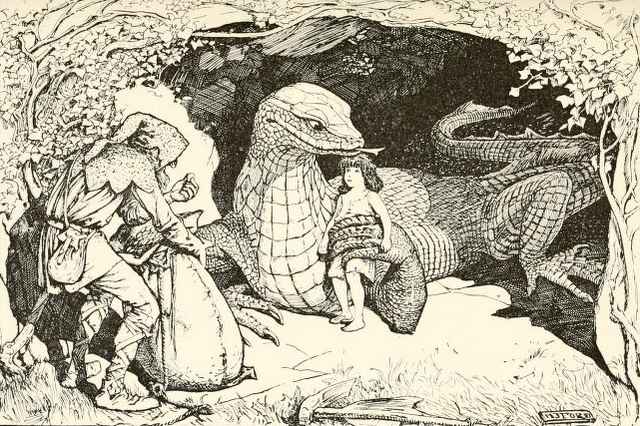
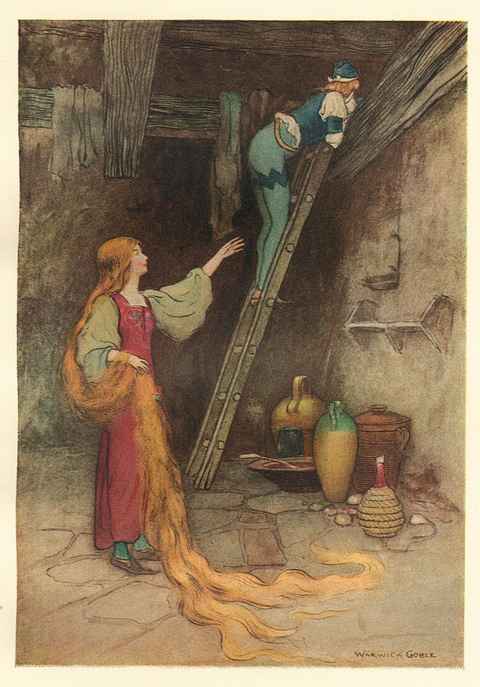
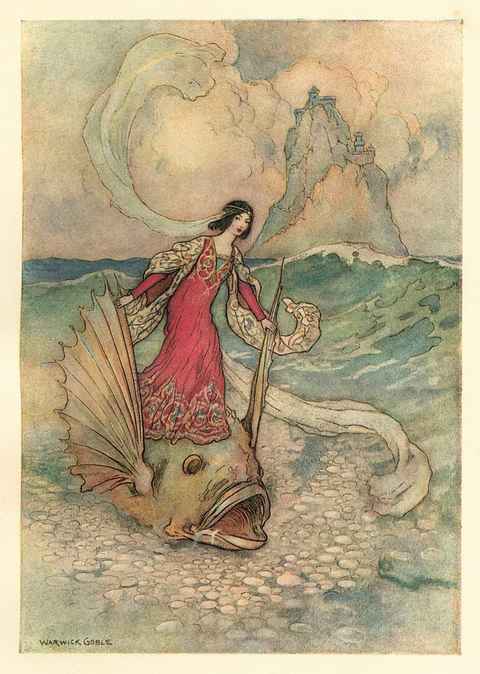
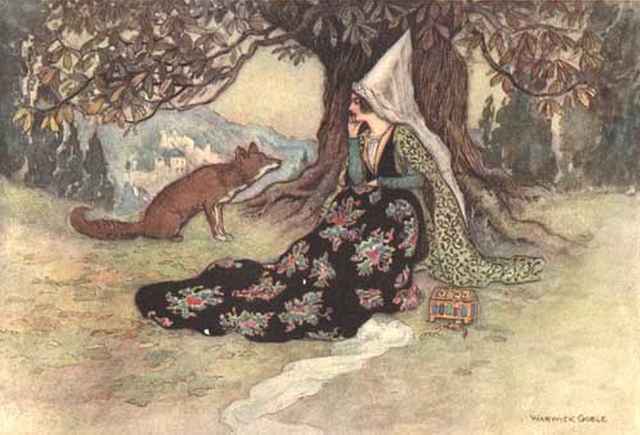
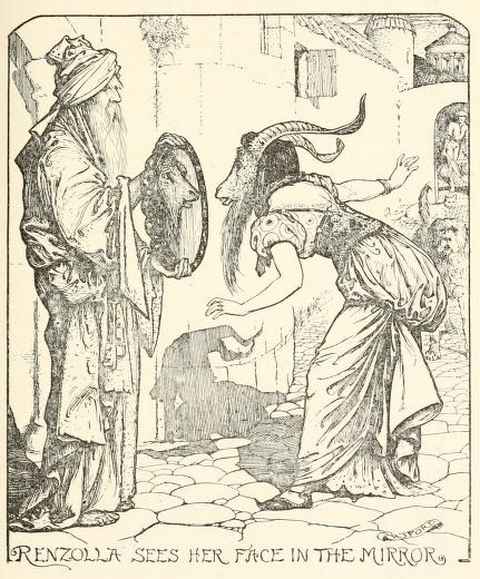
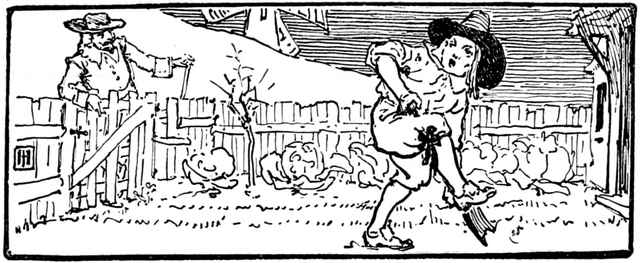
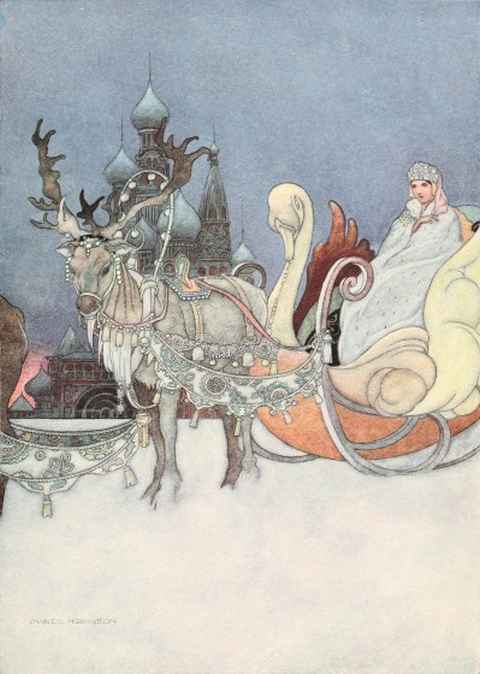
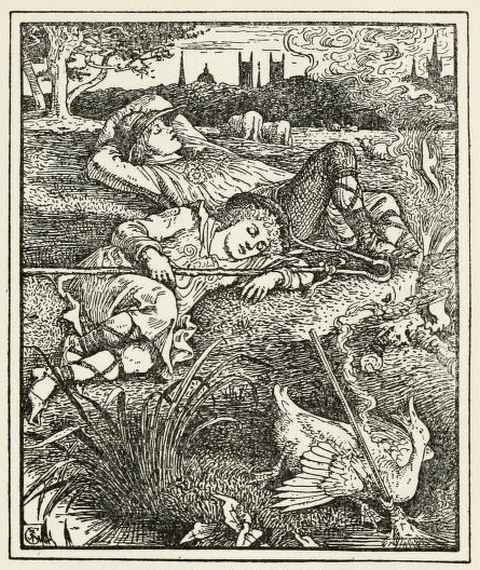
    How the Tales Came to Be Told by Warwick Goble (left) and The Goat-Faced Girl by Henry Justice Ford (right)

    Such a framed format, with fictional people telling fictional tales, was popular for centuries and reached its peak with the publication of Galland’s Arabian Nights at the beginning of the 18th century. Gianbattista Basile chose the same format but decided to write 50 stories, not 100, as in the Decameron. This logically leads to the unofficial name Pentameron. Another important influence was Giovanni Francesco Straparola’s The Pleasant Nights, perhaps the first collection of written fairy tales (though it contains other types of stories as well). Some of the plots that appear later in Basile’s book were already present in The Pleasant Nights. Straparola’s major contribution to the then nonexistent genre was the structure of the tales. It was revolutionary in that it presented the possibility of climbing the social ladder thanks to magic. Straparola introduced a so-called rags-to-riches plot.

    Basile, who likely held a higher social position than Straparola (whose life is shrouded in mystery), preferred a different kind of plot. The main character starts out as a prince, rich merchant, or similar member of the upper class, but loses this position due to circumstances beyond his or her control, such as war, illness, or accident.

    But through the story, the fallen star regains his or her position, which may be even higher at the end of the story. Such a plot was definitely less problematic for the target audience than Straparola’s.

    Yet just like Straprola, Basile didn’t want to risk – he never published his stories. They were printed only several years after his death, when his sister brought the manuscripts to the printers.

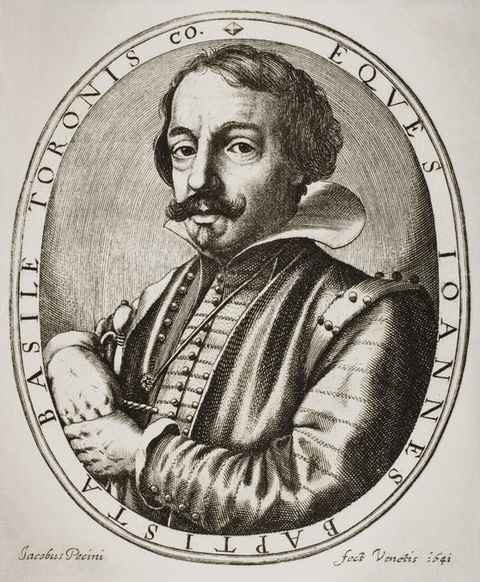
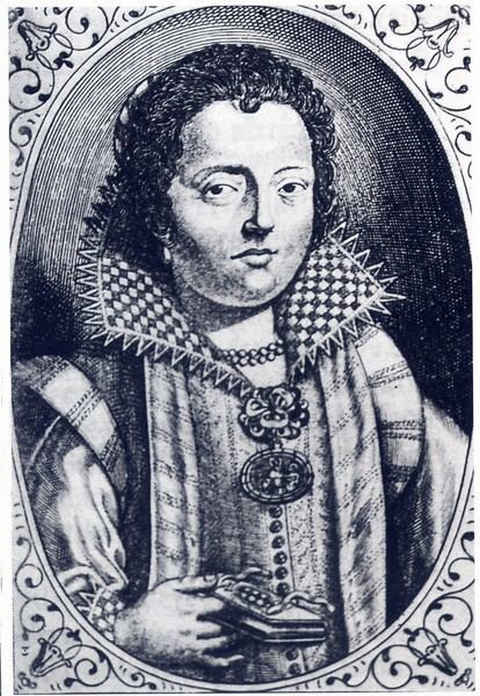
    Portraits of Giambattista Basile and his sister Nicoletta

    Basile’s Tale of Tales was published in two volumes: the first in 1534 and the second in 1536. Not even his sister dared to use the author’s real name, so the book was published under the pseudonym Gian Alesio Abbatutis.

    The style of narration is typical baroque with numerous unnecessary descriptions, which soon made the tales unfit for the new times, and they were almost forgotten until Jakob and Wilhelm Grimm discovered them in the translation of one of their colleagues, Felix Liebrecht.

    They praised the book as the first collection of national fairy tales in history. Its famous collection contains recognizable plots of many well-known tales. One of the reasons for staying unknown to a wider audience was the language of Pentamerone. It was written in Neapolitan dialect with numerous vulgarisms and many elements unsuitable for sensitive ears.

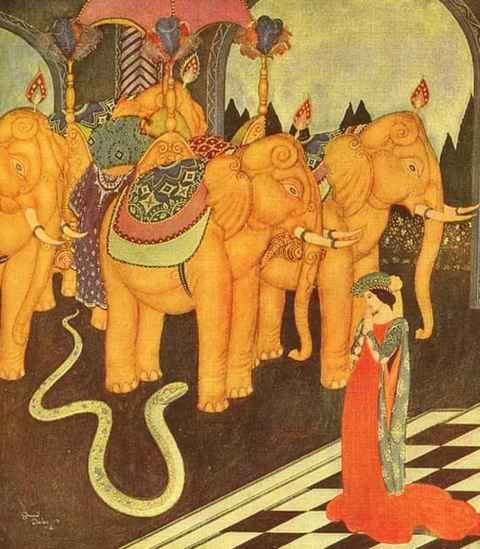
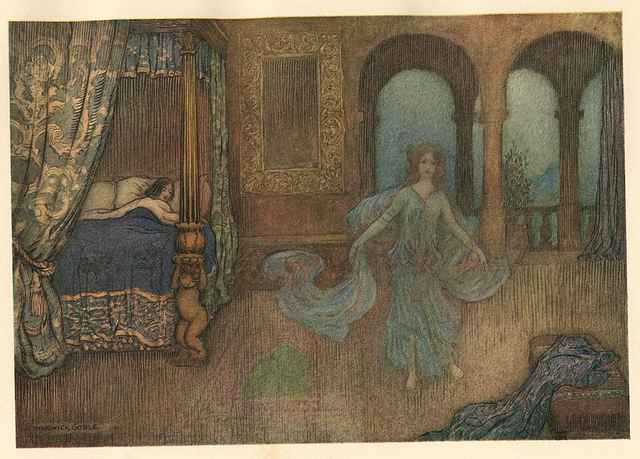
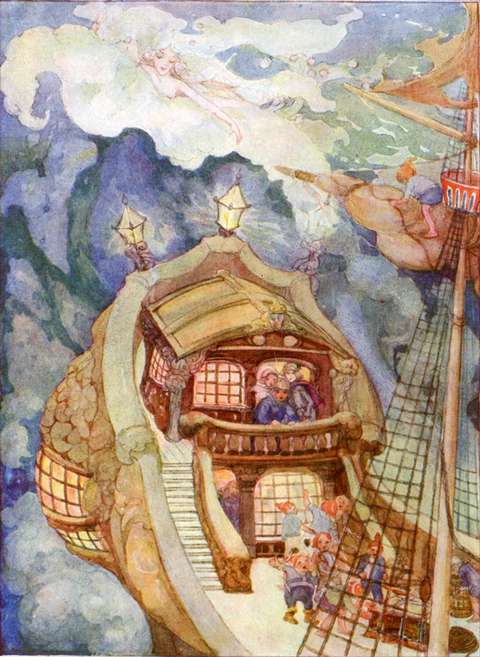
    Parsley (left), Three Enchanted Princes (middle) by Warwick Goble, and The Serpent Prince by Edmund Dulac (right)

    The Stories

    The Pentamerone starts with a frame story about Princess Zoza, who was unable to laugh. Her father finally manages to make her laugh, but she offended an old lady who put a spell on Zoza. She can marry a prince only if she fills a jug with her tears in three days. Just before the jug was filled, Zoza fell asleep, her slave stole it, and ended the task instead of her. The slave marries the prince, becomes pregnant, and demands to hear stories for her amusement. Ten storytellers, including Zoza (in disguise), told her five stories each, and one of them discloses a slave’s fraud. She is punished (cruelly), and Zoza finally gets her husband.

    Among the told stories, we can find many of the first known written versions of popular fairy tales like Rapunzel (Parsley), Snow White (The Young Slave), Brother and Sister (Nennillo and Nennella), Diamonds and Toads (The Two Cakes), King Thrushbeard (Pride Punished) … Despite the subtitle (Stories for Little Ones) these tales were obviously not meant for kids. They are full of themes more fitting for yellowback literature, such as unfaithful spouses, treacherous servants, and evil neighbors. They are also the first written collection of fairy tales, most of which have plots present in many countries. This makes the Pentamerone a very special literary treasure.

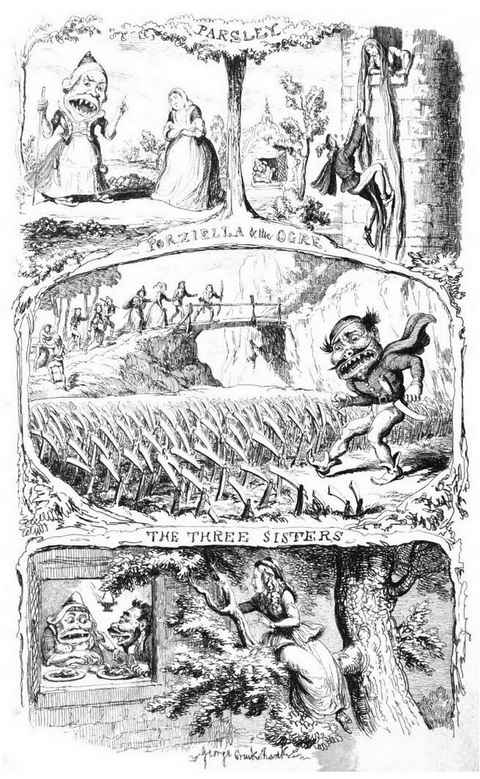
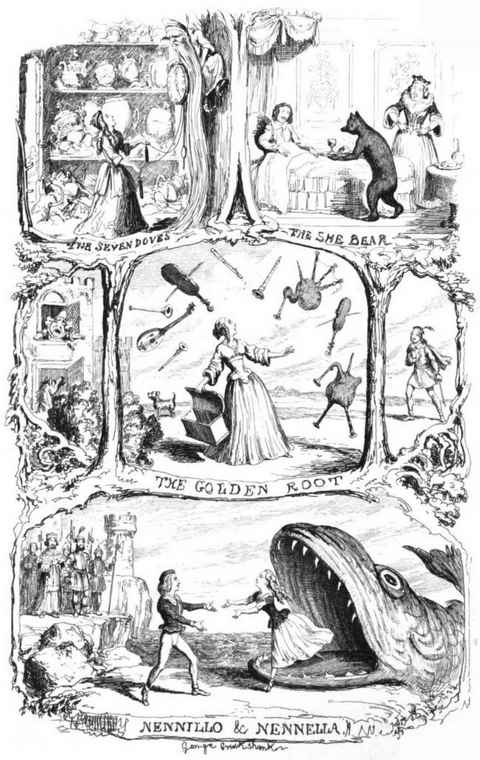
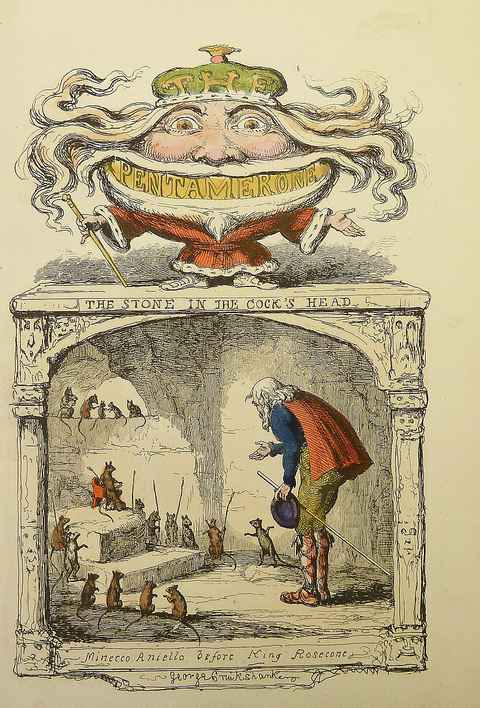
    Il Pentamerone, illustrations by George Cruikshank

    Some of the biting sharpness of the original Pentamerone was lost through translations. Actually, most of the book was heavily censored. For example, the first English translation (Taylor, 1848) included only 30 stories instead of 50 because the general public deemed Basile’s humor unacceptable. The second edition of Taylor’s translation in 1912 kept only 12 stories! But thanks to the widow of Richard Burton, famous translator of the Arabian Nights, English still got a complete book in 1893, three years after his death. However, the second edition of this book in 1927 was heavily censored, a fact that the editors briefly explained as ‘some corrections.’The best available translation today is probably by Nancy Canepa. It is a direct translation from the Neapolitan dialect, featuring all 50 stories, and is backed by extensive research. It’s definitely not a children’s book, but an important document from which everybody can learn a lot about the literature, our society, and ourselves.
    The Movie

    The Tale of Tales (Il racconto dei racconti) is a movie extravaganza by Matteo Garrone, with Salma Hayek, Shirley Henderson, Vincent Cassel, Toby Jones, John C. Reilly, and other movie stars. The book comprises three tales: The Enchanted Doe, The Flea, and The Flayed Old Lady, enriched with elements from other fairy tales in the Pentamerone.

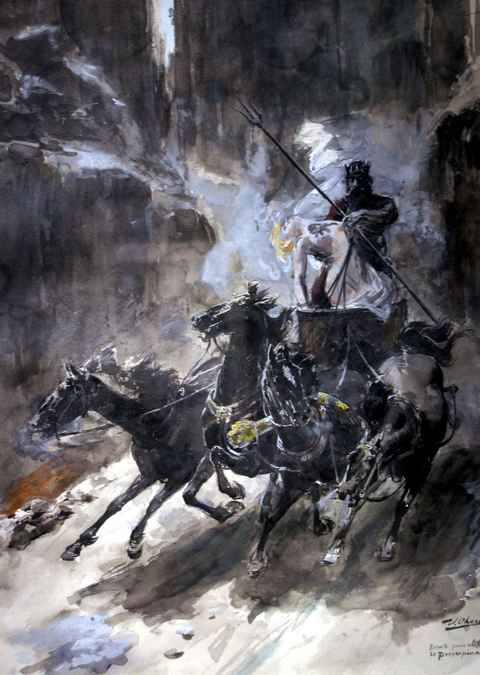
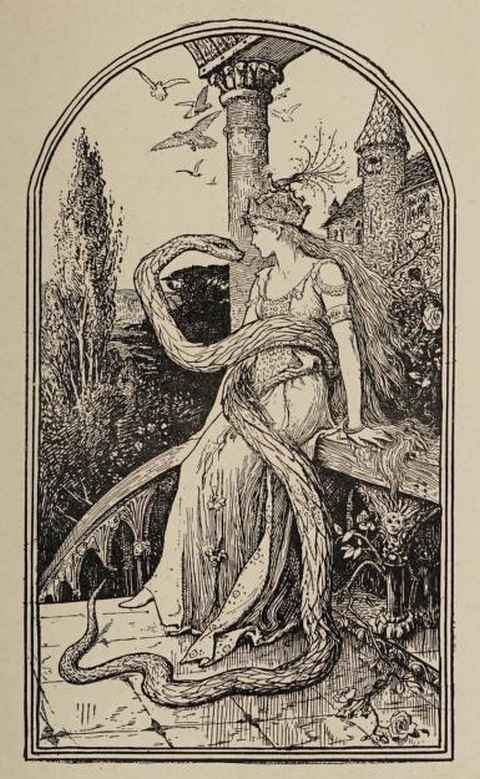
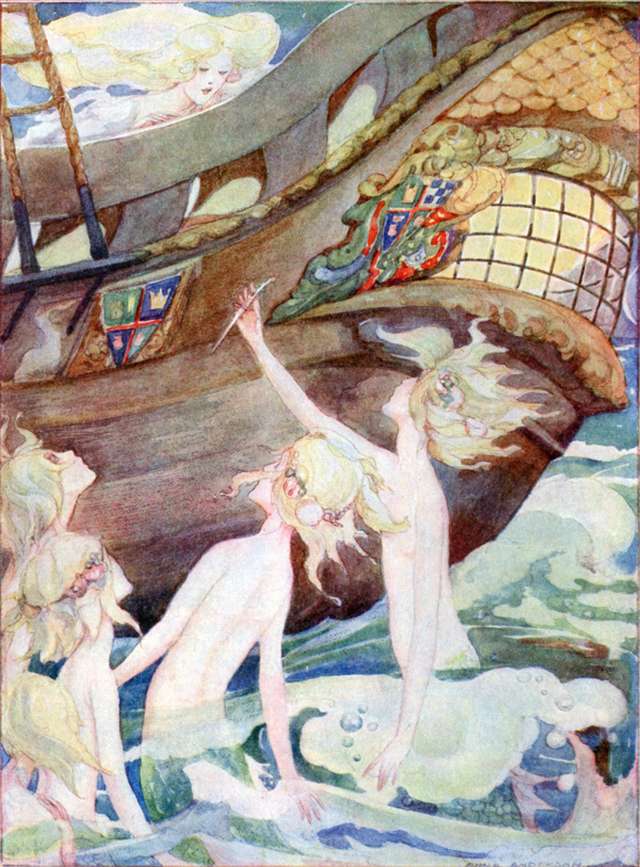
    The Enchanted Snake (left) and The Myrtle (right) by Warwick Goble

    The movie is a unique creation with exotic settings, costumes, and music. Still, the plots and specific scenes may be a bit too gruesome for the general audience. The movie’s earnings (less than $6 million), despite its $12 million budget, reflect this concern. However, it will likely become a classic, a must-see for every film enthusiast willing to explore film beyond its ordinary limits. (And over two hours in length.) Beware: it’s R-rated for nudity and violence.

    Giving Credit to the Original

    The Pentameron, also known as The Tale of Tales, is arguably the most important book most people haven’t heard of. It introduced a so-called restoration plot into the story. In combination with fantastic elements, this plot forms the basis not only of fairy tales, but also of a significant portion of fiction in general.

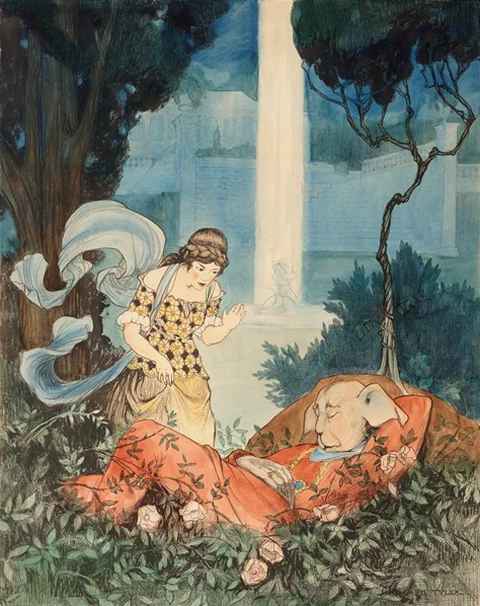
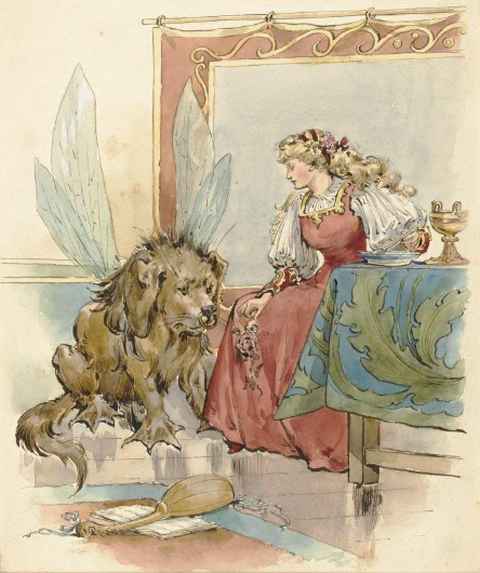
    The Enchanted Snake (left) and The Goat-Faced Girl (right) by Henry Justice Ford

    The giants like Madame d’Aulnoy, Charles Perrault, Brothers Grimm, Hans Christian Andersen, but also J. R. R. Tolkien or J. K. Rowling all profited on this base, and it’s only fair to put the name of Giambattista Basile in the same group.

  • The Little Mermaid by Hans Christian Andersen

    The Little Mermaid by Hans Christian Andersen

    Was The Little Mermaid Hans Christian Andersen himself?

    The Little Mermaid (with sequels) is a popular animated movie made by Disney. However, if we look beyond plain entertainment, the original fairy tale by Hans Christian Andersen offers much more. While Andersen’s Little Mermaid is one of his best, it is also among his saddest stories and features many autobiographical elements. Next, let’s examine the surprising history of this tale, where even the great master of storytelling lost control.

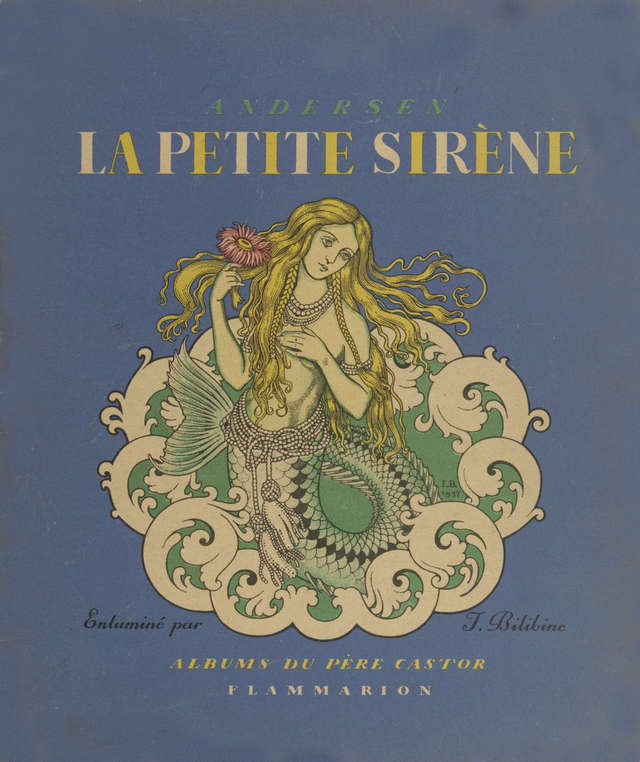
    (Cover of French picture book illustrated by Ivan Bilibin)

    Very short summary (Andersen’s version)

    Little Mermaid is the youngest daughter of a Sea King. Each child must wait until their fifteenth birthday before going to the surface. For the youngest, waiting is hard as she listens to her older sisters’ stories about wonders on the coast, but finally, the day comes, and she can explore the world above.

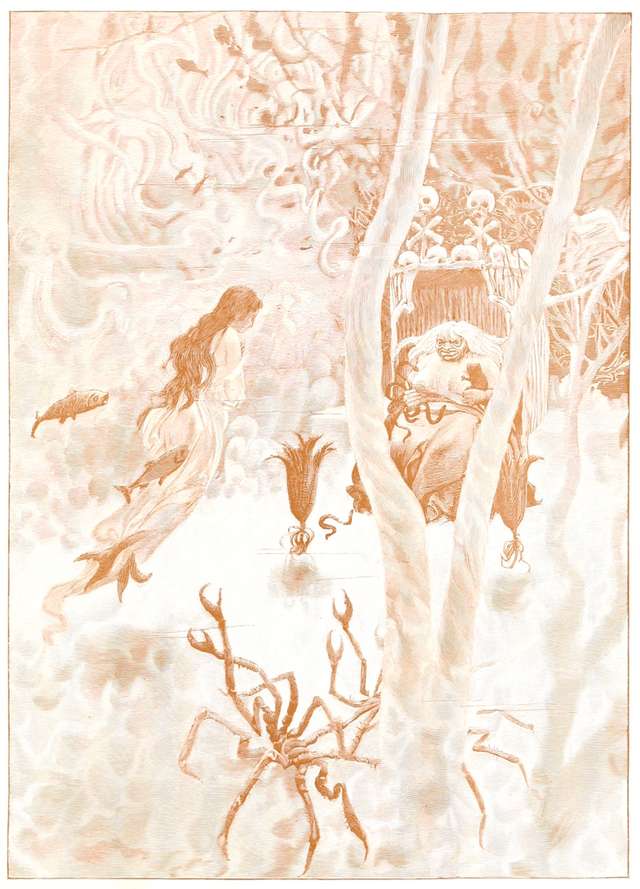
    (illustration by Hans Tegner)

    The Little Mermaid falls in love with a human. They are both of royal origins, but belong to very different worlds. Mermaid tries to find a way to fit into the prince’s world, and it seems that with the help of the witch (and a lot of sacrifice), she can make it. But he falls in love with another girl. Little Mermaid lost her family and her beautiful voice and her feet, which she got in exchange for a fishtail, are hurting with every step – all for nothing. The witch offers her a second chance, but she should kill the prince for that.

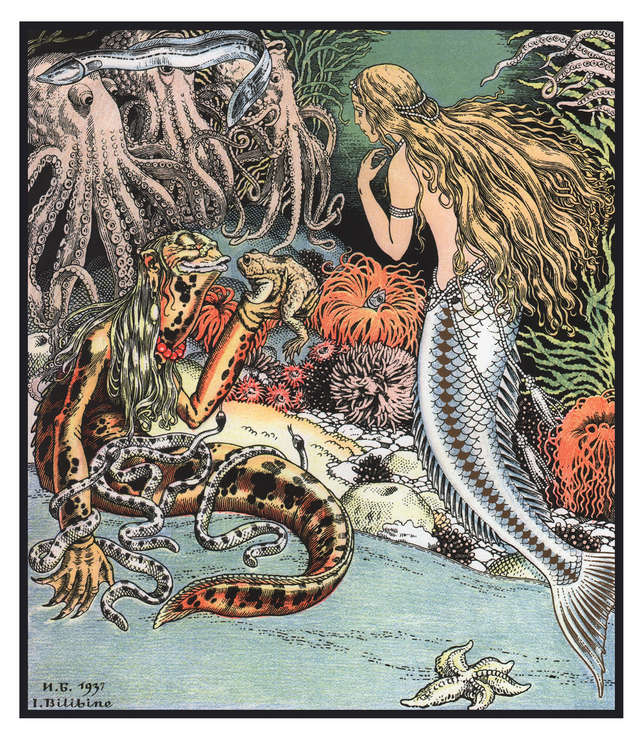
    (illustration by Ivan Bilibin)

    Instead of that, the mermaid chooses to die.

    Not a very optimistic fairy tale, right?

    Who wrote The Little Mermaid, anyway?

    Although we must credit Andersen with authorship, we should note that his Little Mermaid is not entirely original. The basic plot is copied from Undine, written by Friedrich de la Motte Fouque. Undine is a romantic novel, based on a French folk tale, and was one of the most popular books of the 19th century. Andersen was familiar with it for sure. While he drew on the improbable love between a human and a fairy creature and a quest for the soul, he also added many original twists and enriched the story with autobiographical elements.

    How can writing expose the writer?

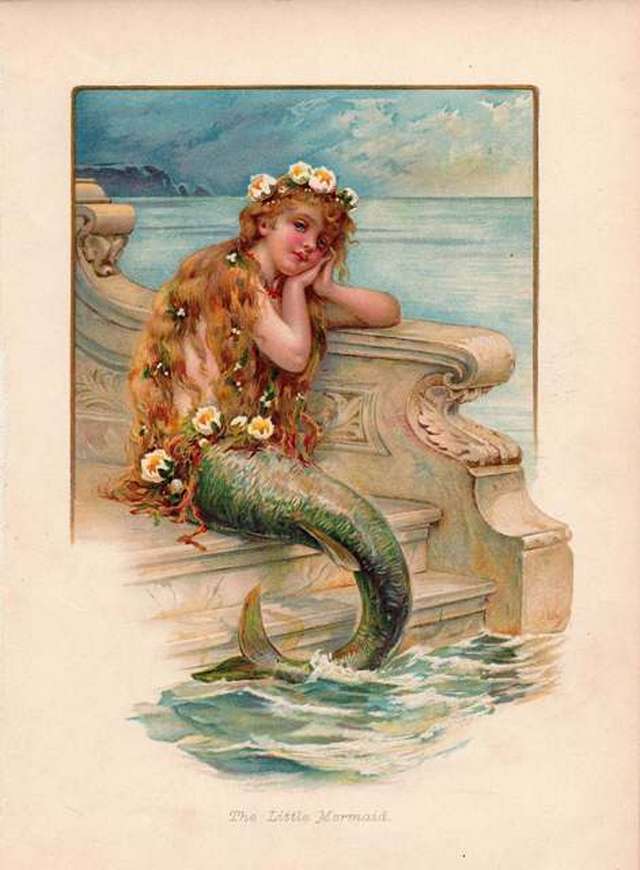
    (illustration by Anne Anderson)

    Even if we have never heard about the other versions of Little Mermaid and don’t really care about Andersen’s personal involvement in writing, we can spot a few moments in the story where things don’t look just as they are supposed to. Here are three of them:

    1. The situation where the mermaid rescues the prince but backs away when she could take credit for her bravery is pretty contradictory to her character as presented before and after that. But it tells us more about Andersen’s personality than he probably wanted to tell in any of his three autobiographies, written during his life. He was extremely shy in personal relations, and he never overcame the problem of expressing and confronting his true feelings. Although he was in love on more than a few occasions, he never managed to build an intimate relationship.
    2. The scene where the title character gets a chance to get even, if she kills the prince, is wrong from the very beginning. Well, not exactly wrong, but certainly not written in the tradition of folktales. With all the painful self-sacrifice, it actually looks more like a passage from the Holy Bible. Hans Christian Andersen was very religious, and he found deep consolation in his faith. If we look at the fairy tale about the little mermaid as a retelling of his personal problem, it makes perfect sense to understand it as a kind of religiously inspired statement.
    3. The afterword with explanation of the rules by which the mermaid can achieve her main goal (immortal soul) sooner if children behave, and later if they don’t. This definitely sounds more like preaching, not storytelling. Listeners don’t appreciate this kind of blackmailing, and we can say the writer of Andersen’s quality should never afford to do that.

    All of this can be used as proof of how deeply involved Andersen was in the story, if he made such ‘mistakes’, but we can actually confirm the theory with documents: personal letters and the writer’s diary. Instead of doing that, we’ll try to stay on the brighter, although a bit yellowish side, and explain who the real people are, who inspired Andersen’s retelling of this popular fairy tale.

    (illustration by Anne Anderson)

    Real characters in the story of the Little Mermaid

    Real Little Mermaid

    The title character is Hans Christian, of course. She not only resembles his personal love story (unfulfilled) but also some of his characteristics. Both are secluded, both very curious, both fascinated by new, unexplored places, and being of royal origin (Andersen believed he was an illegitimate son of Christian VIII), they seek attention from nobility.

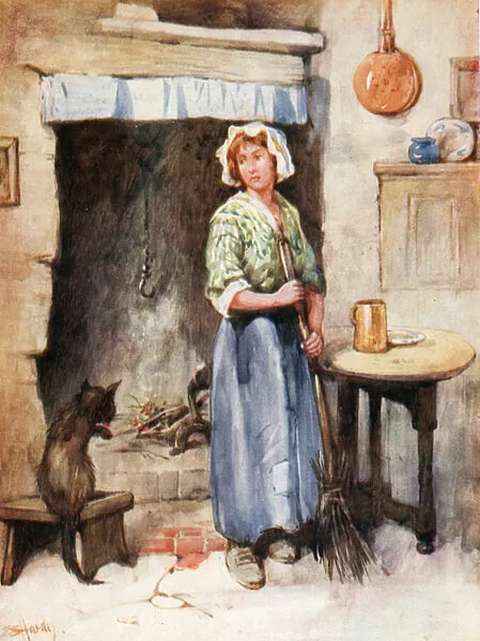
    (illustration by Elisabeth Stuart Hardy)

    There is more. The greatest storyteller of all time tried to enter the world of theatre (his initial plan, when he left his home, was ‘to become famous’) as a singer and dancer, much before he wrote the first lines of any kind of fiction. He was even accepted in the Royal Danish Theatre thanks to his marvellous tenor, but his voice soon changed, and he lost the job. As a dancer, he was not so deprived of skill as elegance because he was too tall. All details are closely related to the mermaids who lost family, voice, and exchanged their fish tails for human legs (she could dance gracefully, but every step hurt).

    As we can see, the mermaid is making a sacrifice after a sacrifice to get closer to the prince, and it is obvious he likes her company as well. On the other hand, he stays distant, and in some cases, their relationship doesn’t even resemble friendship. We find out that he allows her to sleep at the doors of his bedroom, and we get the feeling he thinks about her more like a pet.

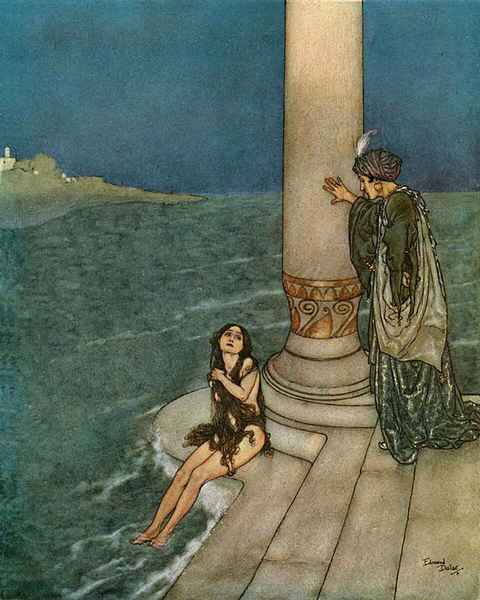
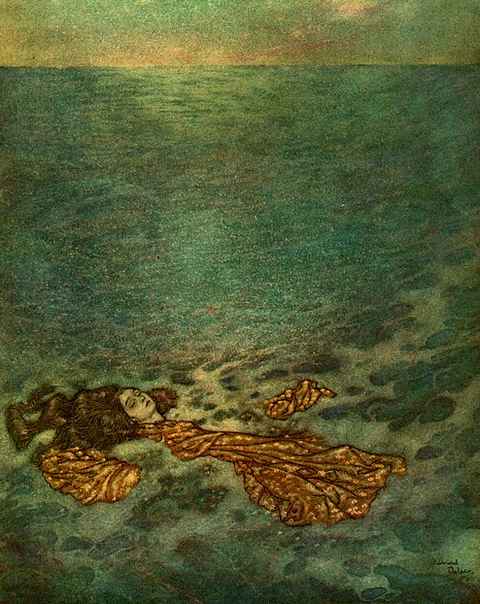
    (illustration by Edmund Dulac)

    Real Prince

    Who was the real prince in Andersen’s life? Who was nice, polite, but always reserved in all communications with the famous storyteller? If we recognize the writer in the mermaid, can we presume the prince was actually a lady?

    Not at all! Although Hans Christian Andersen was seriously in love several times, biographers agree the prince in The Little Mermaid could be only one person: Edvard Collin. Edvard Collin was the son of Jonas Collin, director of the Royal Danish Theatre and benefactor to Hans. Jonas arranged additional education for Hans and convinced King Frederick VI to pay for it. Hans Christian and Edvard became good friends, but with time, Andersen’s affection grew into infatuation. When he confessed his love, Edvard stayed friendly, but kept his distance. He never even accepted Andersen’s proposal to be addressed as a friend and family member (they were living under the same roof for years after all) and insisted on staying formal to the very end of their lives. On the other hand, he didn’t mind being on more friendly grounds with members of the upper middle class (like Wilhelm Wanscher, for instance), whose family Collin belonged to, and Andersen didn’t.

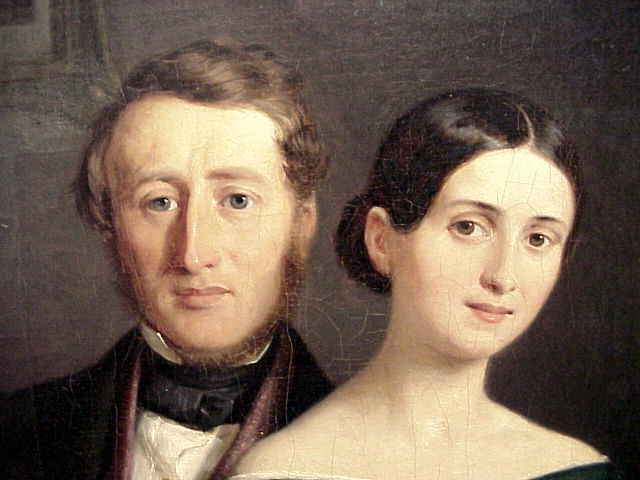
    (portrait of Edvard colin and Henriette Thyberg)

    Henriette Oline Thyberg

    Henriette Thyberg, a family friend, married Edvard Collin in August 1836, the same year that the fairy tale The Little Mermaid was published. She was also a member of the bourgeois class and a perfect match for Edvard. They had four kids: three daughters (two of whom died as children) and a boy, and they all became something of an extended family for Hans Christian, who wasn’t very skilled with paperwork and relied on Edvard’s help with publishing contracts and other business aspects of his creative work. In return, he built a monument to Edvard and Henriette’s daughter, Gerda, who died when she was only four, in another masterpiece: The Snow Queen, in which the main character is modeled (and named) after the deceased girl.

    Although Henriette, in a way, defeated Hans in a ‘fight’ for Edvard’s heart, they all remained friends throughout their lives and were even buried in the same grave for several years. So we can’t be surprised to find that the mermaid could not harm the prince when she saw him sleeping in the bed with his bride. She would rather choose her own death.

    (illustration by Edmund Dulac)

    What about other characters?

    We could go on and on with decoding the fairy tale, maybe starting with the Little Mermaid’s sisters who tried to get her back in their kingdom underwater, just like the writer’s real family members on several occasions unpleasantly reminded him of his origin, but there is no need for that.

    The fact is, this particular fairy tale was not meant to be read to children. It was not even meant to be published. The initial intention of H. c. Andersen was to write a beautiful, sad, and slightly accusing love letter to the biggest love of his life. Yes, just like we can say The Puss in the Boots could be read as Perrault’s cynical biography, we can understand The Little Mermaid as a romantic love letter in which, despite some of the above-mentioned imperfections, it is one of the best literary works ever.

    The reason is probably very simple. We can all relate to the pains of the rejected siren, just like we can all relate to a Cinderella at certain points in our lives. When a story touches so many hearts in the audience, it’s a great story. We don’t need a literary critic to explain that.

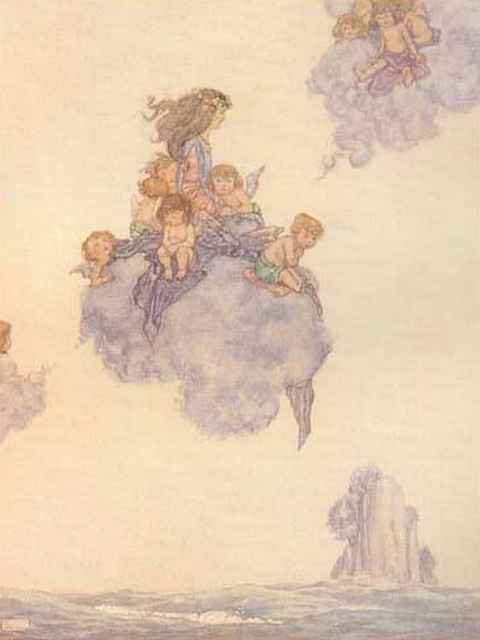
    (illustration by William Heath Robinson)

    In Andersen’s Fairy Tale, the Little Mermaid Dies!
    But Andersen concluded the story on an optimistic note, implying that she would eventually attain an immortal soul. However, he also made one of the biggest mistakes as a writer. He wrote that kids can speed up (or delay) the process of their admission to heaven by ‘being good.’ This suggestion equals blackmail.

    Edvard Collin and his wife Henriette were later buried with Andersen. However, their family members moved the Collins’ bodies after some years to the family plot in another cemetery.

  • Oscar Wilde: Fairy Tales

    Oscar Wilde: Fairy Tales

    Oscar Wilde’s fairy tales – illustrated

    Oscar Wilde was a world-renowned playwright, but many people are unaware of his fairy tales. He wrote two books for them, one for each of his sons. Interesting, isn’t it? Oscar Wilde believed fairy tales are essential for raising children, but he wasn’t satisfied with the existing classic works by the Grimm Brothers, Charles Perrault, Madame d’Aulnoy, and others. Still, he obviously wasn’t indifferent to fairy tales by Hans Christian Andersen. We can find many similarities between the fairy tales of both authors.

    Oscar Wilde read fairy tales to his sons, and we can also speculate that his writing was also influenced by his wife Constance, a productive editor, translator, and writer. This makes Wilde’s fairy tales a family project!
    Oscar Wilde’s list of fairy tales is short. He wrote only nine, and they were published in two separate books, which are both collectible items today. Some of these fairy tales were also published together with Wilde’s works for an adult audience, especially with The Picture of Dorian Gray. Another hint that they were not necessarily made for children is some illustrations which, by today’s standards, were ‘not suitable for work.’ Don’t worry, we didn’t include any of them. Before we delve into each story, we’ll present them with summaries of all fairy tales. Let’s first look at the tales collected in Wilde’s initial volume.

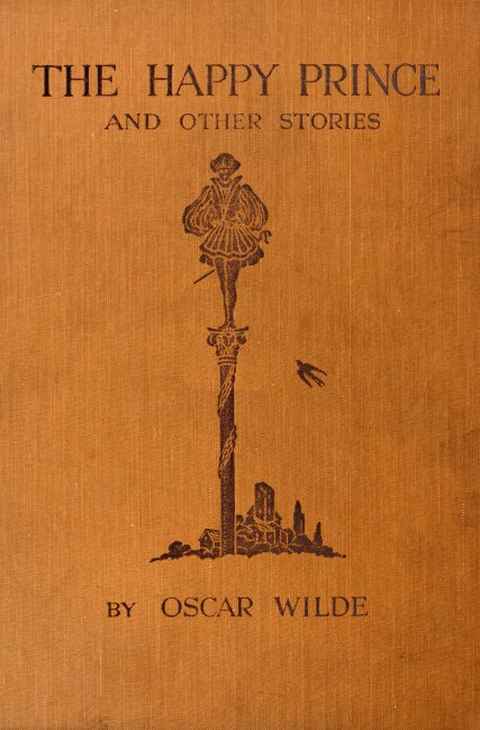
    The Happy Prince and Other Tales

    The book was first published in 1888, just before Cyril Wilde’s (who used the surname Holland for most of his life) third birthday. It includes five fairy tales, beginning with the title story.

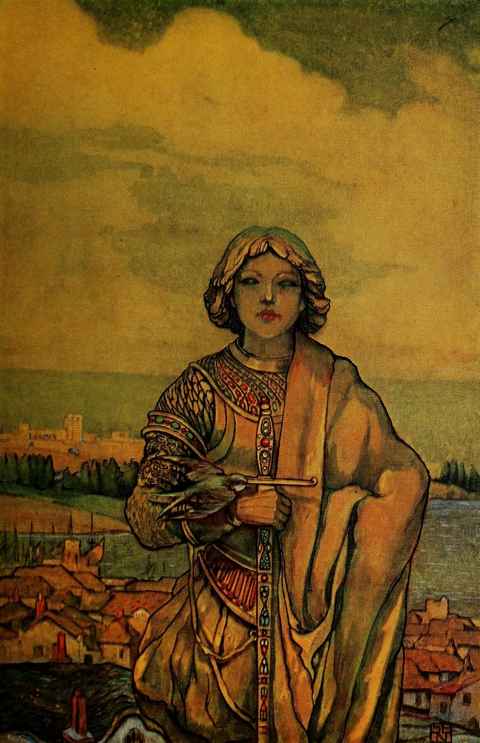
    The Happy Prince: summary

    Illustration: Spencer Baird Nichols

    This is one of the most well-known and popular fairy tales by Oscar Wilde. The story begins in the Palace of Sans-Souci, where the prince lived a happy but futile life of pleasures. Only after his death, when his statue was put on a pedestal, did he see all the misery, poverty, and injustice in his town.


    The Happy Prince was covered with gold leaves, there were precious stones in place of his eyes, and his sword was decorated with a ruby. With the help of a swallow, the Happy Prince then literally gives himself part by part to poor people until he is left with nothing. Because ‘he was no longer beautiful, he was no longer useful,’ councilors ordered the melting of the statue.
    The swallow, who was so eager to help the prince, didn’t fly south in time and froze to death. So councilors also decided to proclaim, ‘No bird is allowed to die here.’


    In the ending scene, God orders them to bring him the most valuable things from town, and the angels bring him a statue heart made of lead and a dead bird.


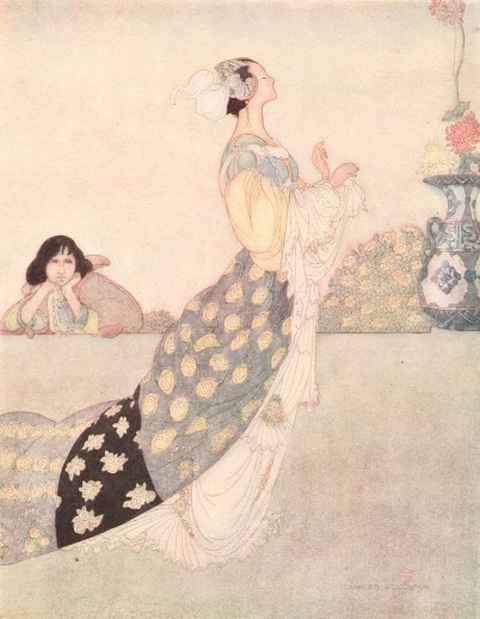
    The Nightingale and the Rose – The summary

    Illustration: Charles Robinson

    The tale of Rose and Nightingale is one of selflessness and the ridiculousness of some of the things we all do in life.


    This fairy tale starts with a student who wants to impress a princess. He discovered that she likes red roses, and he wants to give her a perfect red rose. The problem is that there are no red roses in the garden. So a nightingale makes a deal with a white rose, and they will together create the most beautiful red rose ever.


    The bird sings every day, even though the rose’s thorn slowly pierces its heart, and sings the most beautiful songs of life, even though it’s really losing its heart. They succeed, but the bird dies. The princess says, “I’m afraid it won’t go with my dress.”


    All the sacrifices didn’t help, and the student concludes that love is too impractical, so he shall study Philosophy.

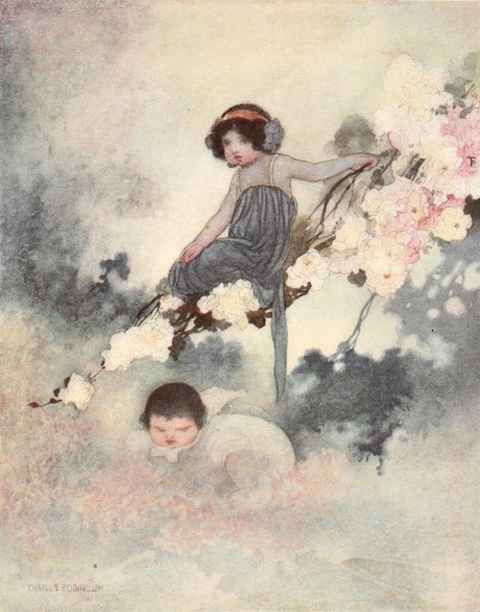
    The Selfish Giant by Oscar Wilde

    Illustration: Charles Robinson

    The story of the Selfish Giant is a story about altruism. Here is a summary:


    Giant has a beautiful garden with all sorts of flowers and fruits growing in it, and while he was on a visit (for several years), children from the neighborhood started to play in this garden. When he returned, he kicked the kids out. But!

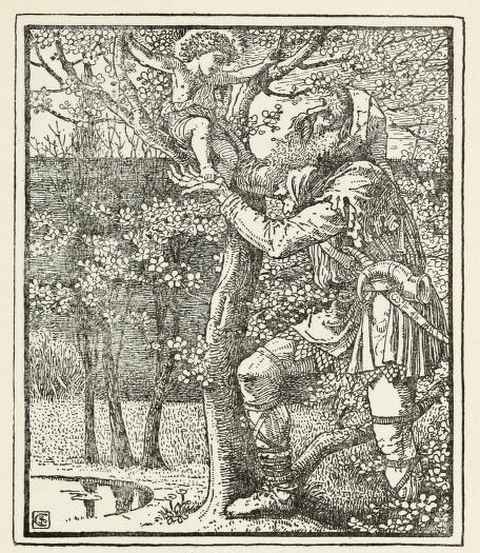
    Winter came into the garden, and it stays in for the full year. Only when the giant let the children back in did the garden begin to look like a garden again. The crucial part is meeting with one child who was too small to reach up to the tree, and the giant helps him to get there.


    Children once again visited the garden, and the trees were in full bloom. But the little child didn’t come back until the very end of the giant’s life. That’s when we learned that the child was Jesus.

    The Devoted Friend by Oscar Wilde

    Illustration: Jacomb Hood

    This fairy tale bears a slight resemblance to Andersen’s “Little Claus and Big Claus.” Here we have a rich man and a poor man, too, but the poor one doesn’t win in the end. In fact, he dies after exploitation and a series of misfortunes.


    A rich miller and a poor gardener are friends, or at least they are supposed to be. Miller visits the gardener every day and picks his most beautiful flowers.


    He never gives him any money. After a long winter, the gardener was almost starved to death (the miller didn’t want to bother inviting him into his warm house full of stuff because he didn’t want to spoil him).


    Then the miller promised to give the gardener his old wheelbarrow in exchange for more services.


    Ultimately, the gardener passed away during one of his “missions” before he could acquire a wheelbarrow, which was rendered useless and inoperable. The miller realizes that he is only concerned with his wheelbarrow and will never provide any assistance to anyone.

    The Remarkable Rocket

    Illustration: Charles Robinson

    There are many ways in which Remarkable Rocket is like Oscar Wilde’s life. It is a story about a rocket waiting to explode in its full glitter and beauty, like Wilde, most of whose life promised much more than it actually showed.


    In the end, the rocket explodes when nobody sees or hears her, like Wilde died lonely and almost forgotten.

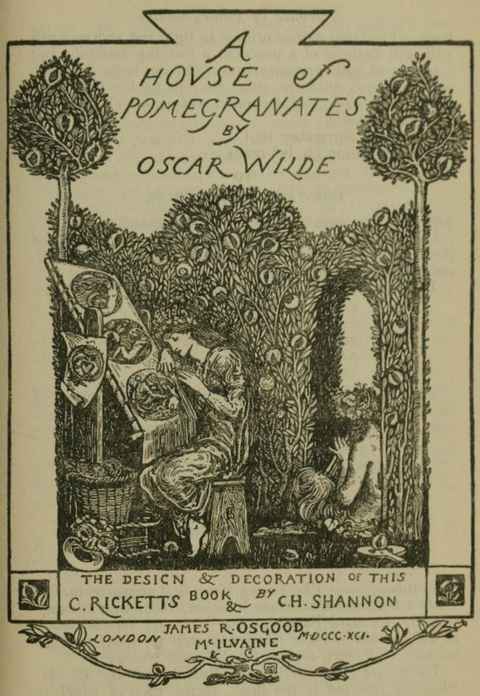
    Illustration: Walter Crane

    A House of Pomegranates

    The book came out in 1891, when Oscar Wilde’s second son, Vyvyan (like his older brother, he used the surname Holland for most of his life), was almost five years old. There are only four fairy tales in this book. We’ll present them in the order they were published.

    The Birthday of the Infanta

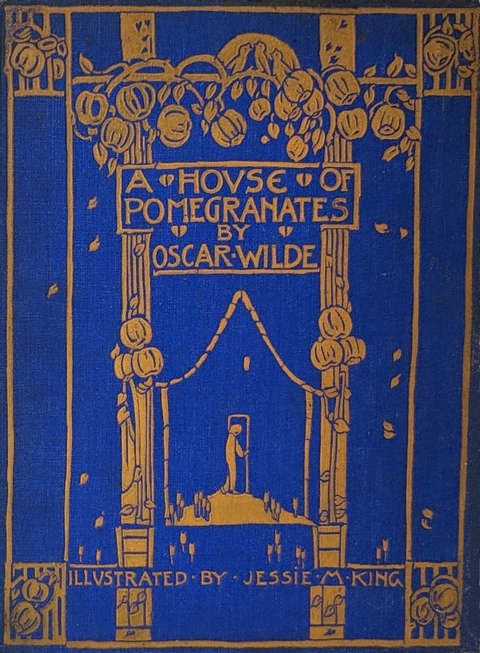
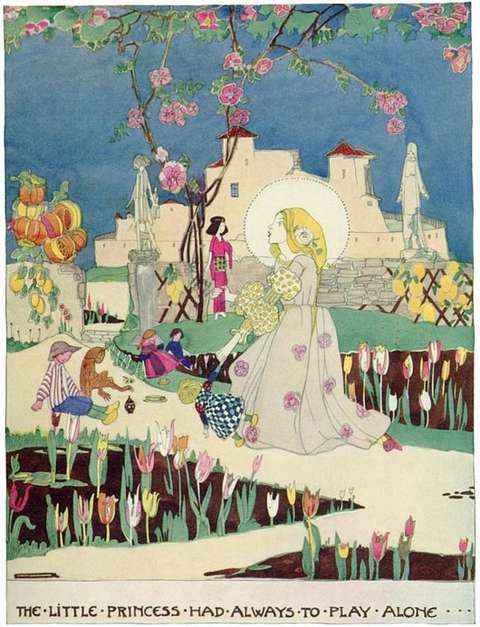
    Illustration: Jessie Marion King

    This is the only Wilde’s fairy tale with a woman in the title (a rocket is not considered a human being). But she, the female equivalent of the Happy Prince (when he was still alive), a spoiled child, as Oscar Wilde himself was in many ways, is not the main character.

    The protagonist of the narrative is a crippled, unattractive boy who was discovered in the forest and purchased from his father solely for the purpose of entertaining the princess through dancing (the term “infantas” refers to the daughters of Spanish and Portuguese kings, and “infant” means child). She was delighted with his appearance, and he, naïve as he was, believed she really liked him.


    When he hears that he will dance again after the break, he starts dreaming about how they will become friends. Then he strayed into the palace and, for the first time, saw his unattractive image in the mirror. Boy realizes the unpleasant truth. Princess never liked him. She was only laughing at him.


    This literally breaks his heart, and he dies just when the princess enters. Her statement? “Those who come to play with must not have hearts!”

    The Star-Child

    Illustration: Spencer Baird Nichols

    Of all of Wilde’s works, the Star-Child story most closely resembles traditional fairy tales. It tells us about a boy found in the woods who denies his mother when he is found because he is beautiful and she is not.


    After a series of tests and a lot of repentance, we got the classic transformation and happy ending, but Wilde would not be Wilde without an addition: Star-Child becomes a king (good one) only for a few years. Then he died, and the next king was evil.

    The Young King

    Illustration: Spencer Baird Nichols

    In this Oscar Wilde fairy tale, a young man is born into the king’s only daughter’s covert marriage. There were all sorts of rumors about the boy’s father and what happened to him and the princess who vanished soon after the birth. The boy was raised by commoners, and the king, who was dying, wanted his grandson back.


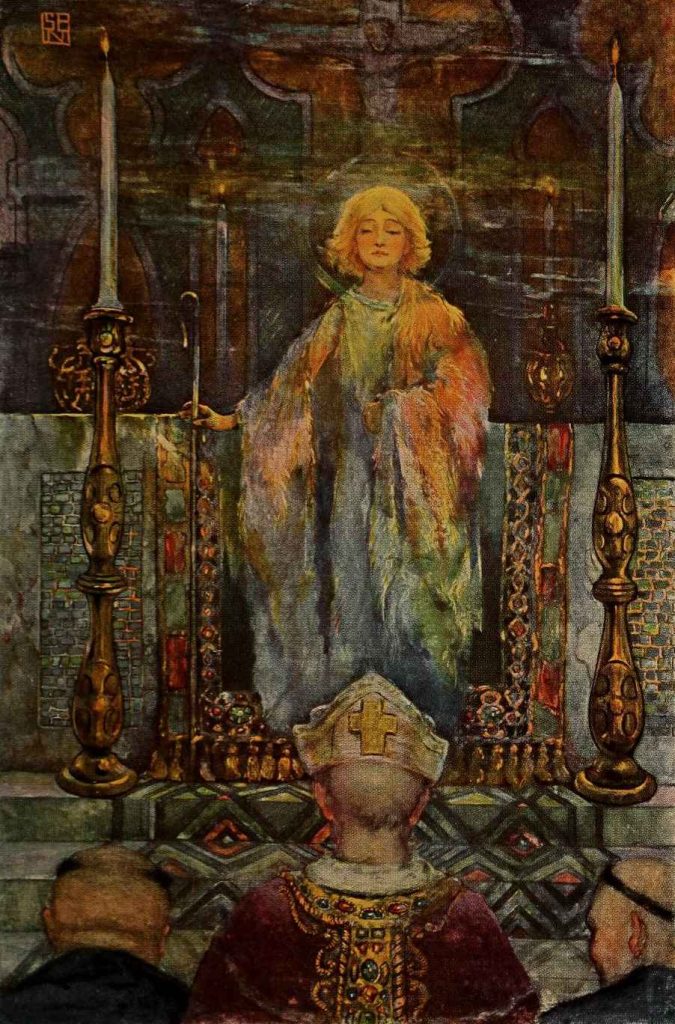
    The story starts when the young prince waits for his coronation. He is supposed to dress in the most precious clothes, but in his dreams, he sees so much suffering caused in the search for perfect fabric, perfect pearls, and so on, he decides he will go to church dressed like a shepherd. In the church, a miracle happens.
    This child made the selfish giant change his mind.

    The Fisherman and His Soul

    Illustration: Jessie Marion King

    Wilde’s fairy tale, The Fisherman and His Soul, is a story about a man who falls in love with a mermaid. If he wants to join her, he should get rid of his soul.


    He asks a witch for help, and after some delay, she tells him what to do. The problem is that his soul doesn’t want to leave. And when it does, they agreed the fisherman will return to the seaside every year just in case he changes his mind.


    In many ways, this fairy tale resembles Andersen’s Little Mermaid, but is written from a different point of view and with a different message. While in Andersen’s story the soul was the ultimate goal, Wilde presents it as useless and corrupted. His sympathies are clearly on the side of the soulless creatures of the ocean.

    Reflecting on these stories, we are led to consider: do the fairy tales of Oscar Wilde echo Andersen’s stories?


    Some experts say the fairy tales in both books he wrote are maybe the best example of Wilde’s mastery of the language. His vivid landscape descriptions, emotional portrayals, flawless dialogues, and critiques of the social system are united to form captivating narratives that leave a profound and enduring impression on the minds of readers, despite the absence of explicit moral messages.


    Wilde’s fairy tales present his view on life, not how it should be, but how it is, with a lot of pathos but also a lot of hope, which can probably be compared with only one fairy tale author: Hans Christian Andersen, whose language was much simpler and down-to-earth. If we can easily find folk stories that inspired Andersen, with Wilde, things are more complicated.


    His tales contain traditional themes (a prince on a quest, the children in the forest, a conflict between good and evil), but there are also clear references to other works. The Faustian deal, perfectly written in Picture of Dorian Gray, is also present in The Fisherman and His Soul, a brilliant rewriting of Little Mermaid, one of the saddest fairy tales by H. C. Andersen, but in even darker tones.


    Andersen’s fairy tales are reflected in all of Wilde’s fairy tales; sometimes this is less obvious and sometimes more so. Both writers are very religious and use a lot of humor and emotion in their writing.


    In Wilde’s fairy tales, Andersen’s melancholy is replaced with cynicism, and Andersen’s irony at Wilde’s works turns into sarcasm. If we can still find a search for the place in the society in Andersen’s tales, Wilde’s tales are extremely individualistic.
    It is certainly no coincidence that The Happy Prince and Other Tales (1888) and House of Pomegranates (1891) were written and published right after the births of his sons. Cyril was born in 1885, and Vyvyan in 1886, but they were not written with these kids specifically in mind. They talk to every child in the world, and the adults can benefit from them, too. Maybe even more.
    Because everybody should, just like the Happy Prince, sooner or later get out of the palace ‘where sorrow is not allowed to enter.’

    Some similarities between Oscar Wilde’s and Hans Christian Andersen’s lives and works
    they both:

    • preferred talking to writing,
    • preferred theater to books,
    • wrote fairy tales with a lot of emotions, criticism of society, and without happy endings,
    • achieved high popularity in the highest circles, but were essentially unhappy in private life,
    • wrote with a lot of irony, bitterness, and sarcasm in their works,
    • wrote their works for children with their parents in mind,
    • died due to the consequences of their falls a few years before.

    So, share the article online, pin the images, read the fairy tales, and help keep Oscar Wilde’s legacy alive.