Who Was Marie-Catherine Le Jumel d’Aulnoy?
Her date of birth is unknown. Madame d’Aulnoy was born Marie-Catherine Le Jumel in Barneville-la-Bertrand, Normandy, around 1650, into one of the oldest and most respected families of Normandy. Her mother was about 16 years old.
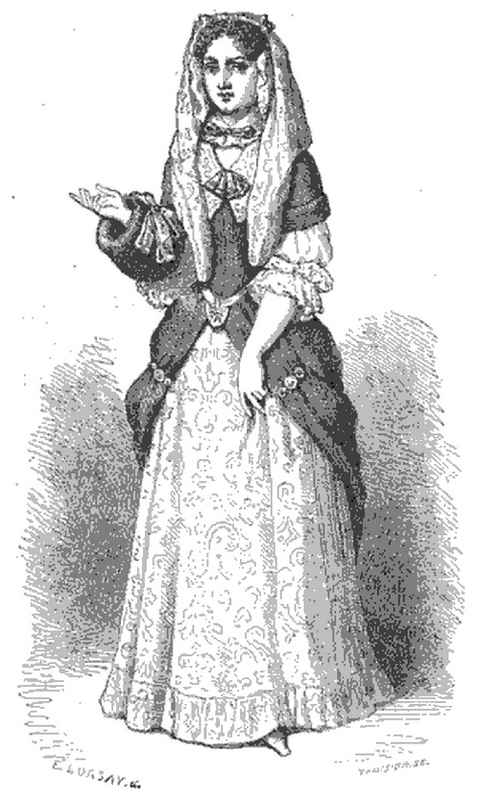
Young Madame d’Aulnoy
Being the only child, she was raised by her grandmother as an heiress. When, at about 11 or 12, she had a baby brother, her parents switched to plan B: they sent her to a nunnery. In those days, nobility didn’t spend too much precious time with their own children.
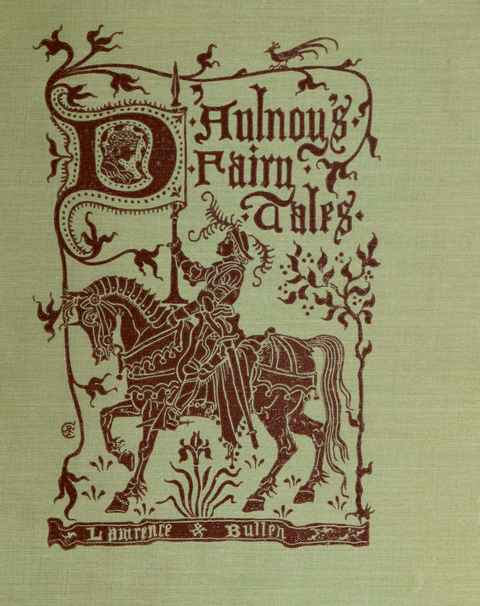
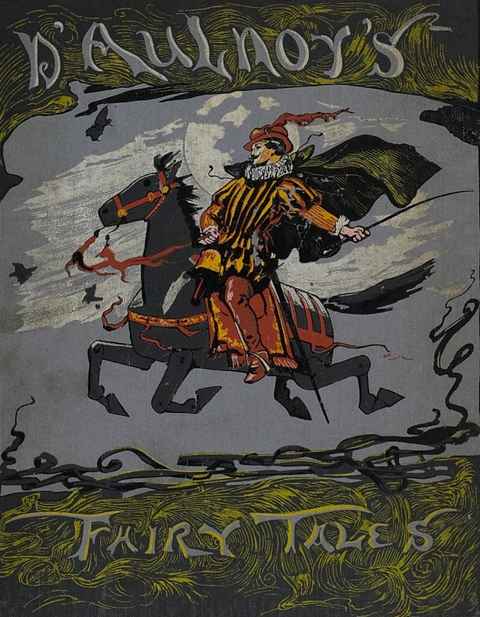
Madame d’Aulnoy Fairy Tales covers by Clinton Peters (left) and Gordon Browne (right)
Marie-Catherine wasn’t happy about the idea, so she persuaded her father to find her a husband. At about 15 years of age, she married Baron d’Aulnoy. He was a heavy drinker, gambler, and abuser. He also had financial difficulties and was at least three decades older than his bride.
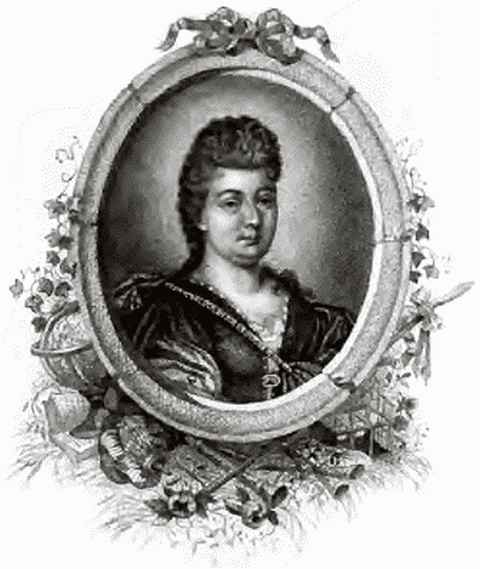
Portrait of Baroness d’Aulnoy
The young Baroness gave birth to three girls (two died soon after birth) in the first three years of her arranged marriage. She had at least one lover. With the help of her mother and two gentlemen, she entered into a conspiracy against her husband. He was subsequently accused of treason. Baron d’Aulnoy was cleared of accusations, and both false witnesses were executed. Madame d’Aulnoy had to flee Paris.
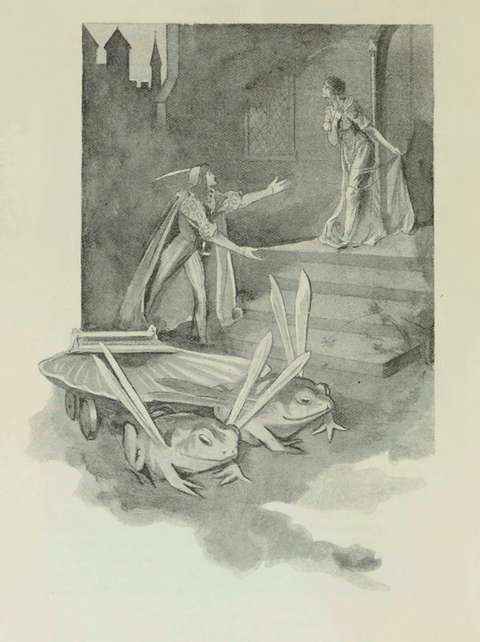
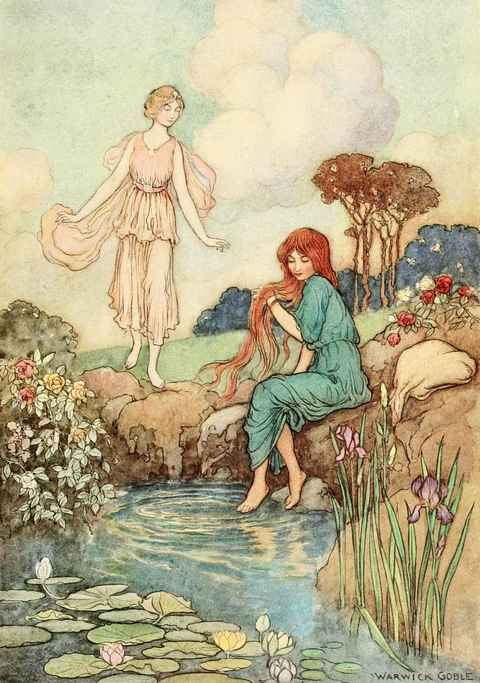
Blue Bird by Clinton Peters (left) and Warwick Goble (right)
We can only speculate what happened to her in the next few decades. She probably spent some time traveling. It is possible that she lived in Spain and England for several years. There are even rumors that she became an international spy, but we have no hard evidence to rely on.
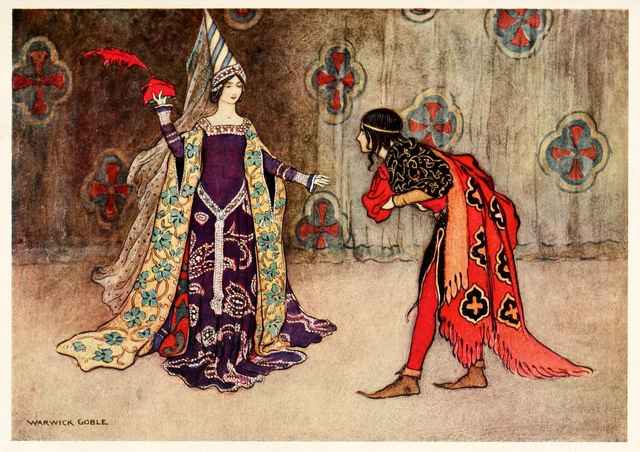
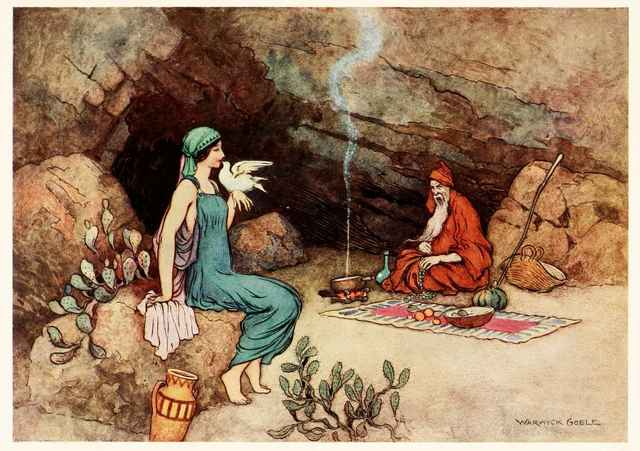
The Invisible Prince (left) and Prince Cherry (right) by Warwick Goble
While d’Aulnoy’s memoirs mention another (illegitimate) daughter, a son, a new husband, several lovers (another widely accepted practice of the time), it is very hard to say what really happened. Facts in her writings are always fused with imagination.
She was involved in another conspiracy, resulting in the beheading of her friend Madam Angelique Tiquet. Because her brother died young, Marie-Catherine inherited a fortune after all. It is clear she lived in Paris from 1690 to 1701, when she died.
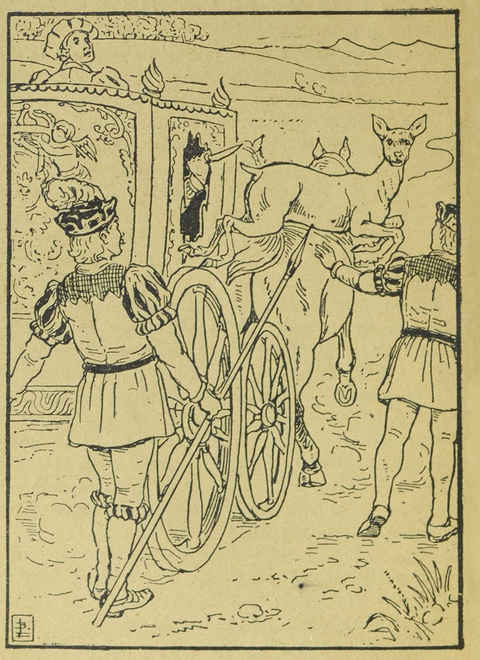
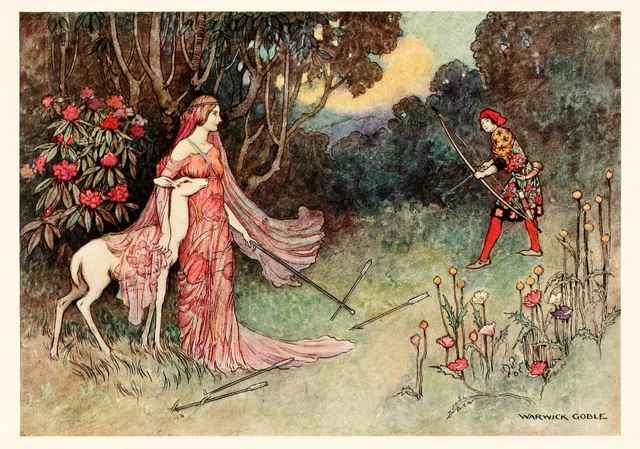
Hind in the Wood by Brinsley Le Fanu (left), Walter Crane (middle), and Warwick Goble (right)
Mme d’Aulnoy’s works
Memoirs from Spain and England brought immediate fame to Comtesse d’Aulnoy, as she signed her literary works. They were written in the fashion of the time. This means plenty of vivid descriptions of exotic places and rituals, with little attention paid to the facts.
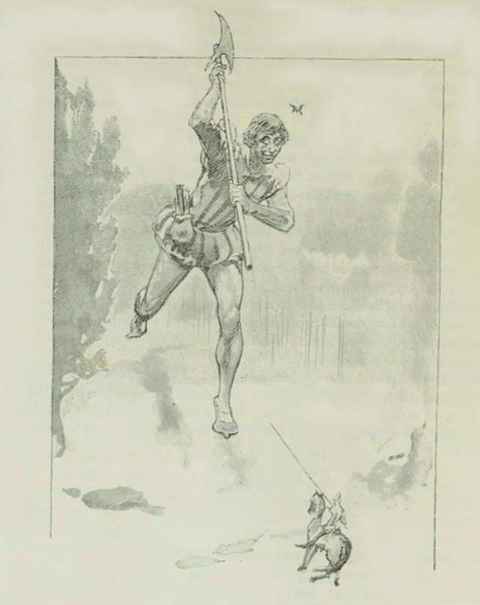
Fair Goldilocks by Clinton Peters
Her memoirs have many elements of novels with long imaginary passages. Even fairy tales are woven into the narrative’s basic framework . The first fairy tale written by Madame d’Aulnoy (The Island of Happiness) was published in 1690, a year before Charles Perrault’s Tales of Mother Goose. Her first collection was published only a few months after Perrault’s.
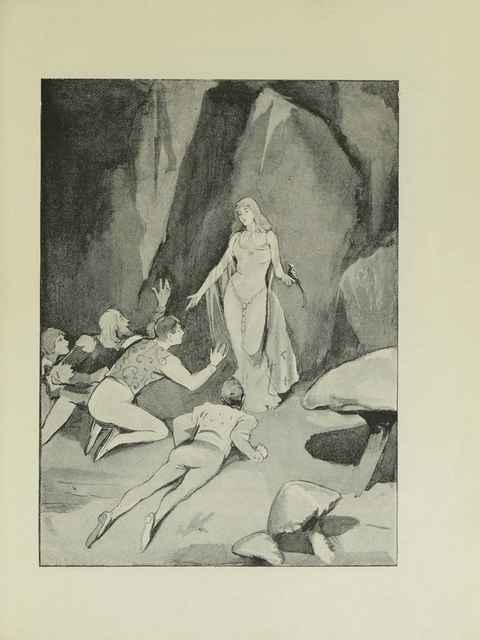
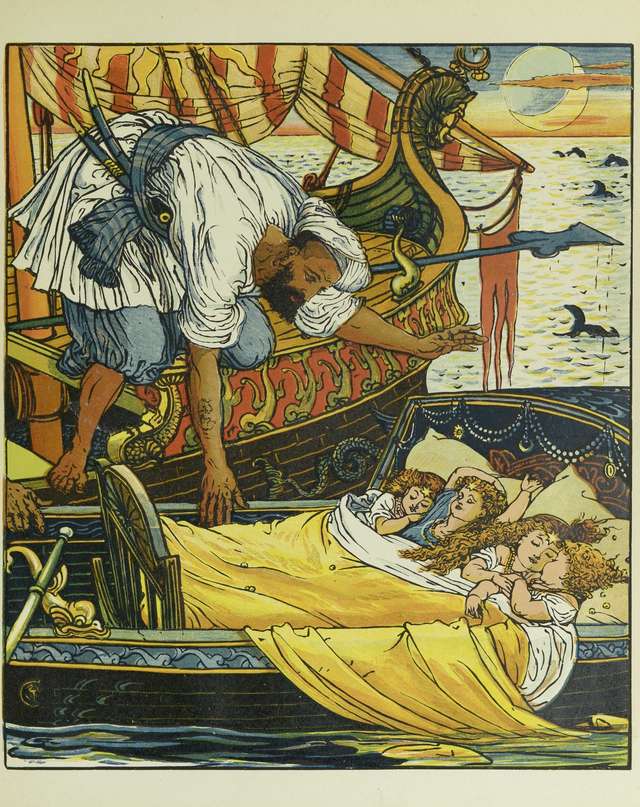
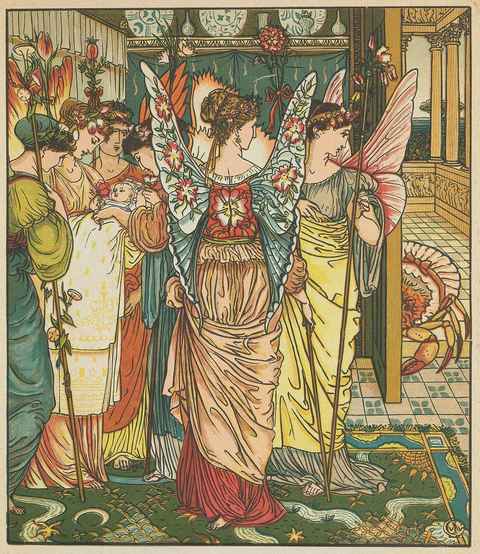
Princess Belle-Etoile by Clinton Peters (left) and Walter Crane (right)
If we can say that Perrault is the father of a fairy tale as a literary genre, she is the one who coined the term ‘fairy tales’ (French: ‘contes de fées’, which actually means ‘tales of fairies’). Thanks to the huge influence of her salon, she can be credited as the mother of the genre. Her fairy tales were obviously influenced by folklore, with a dominant theme of animal brides or bridegrooms. It is likely that she was introduced to them through Straparola’s The Facetious Nights and Basile’s Pentamerone rather than through oral tradition.
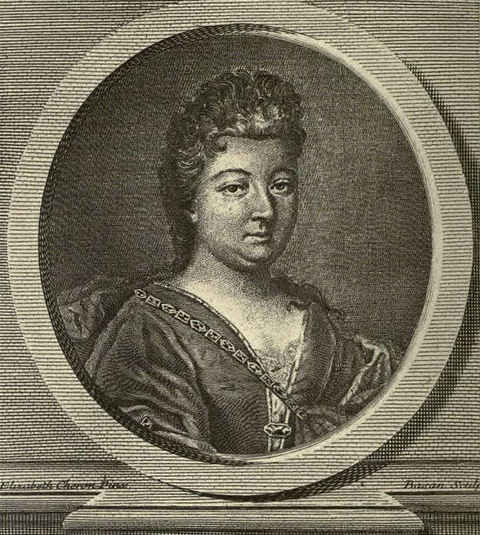
Madame d’Aulnoy, mother of the fairy tale
None of Madame d’Aulnoy’s works was written for children. They were actually all penned as romantic novels, sometimes formed as travelogues, often with fantastical elements, and always in a conversational tone with a live audience in mind.
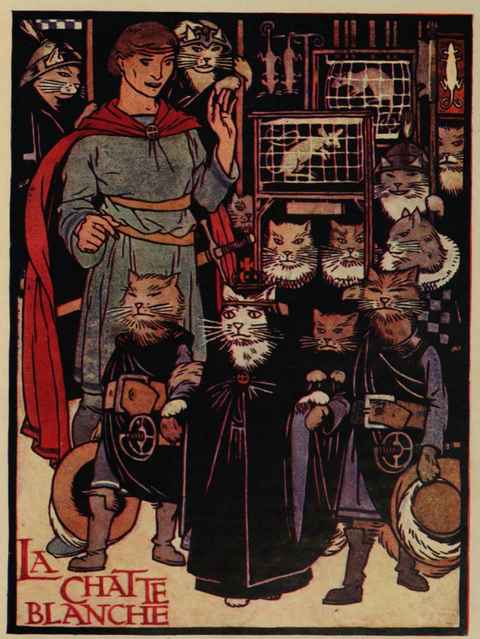
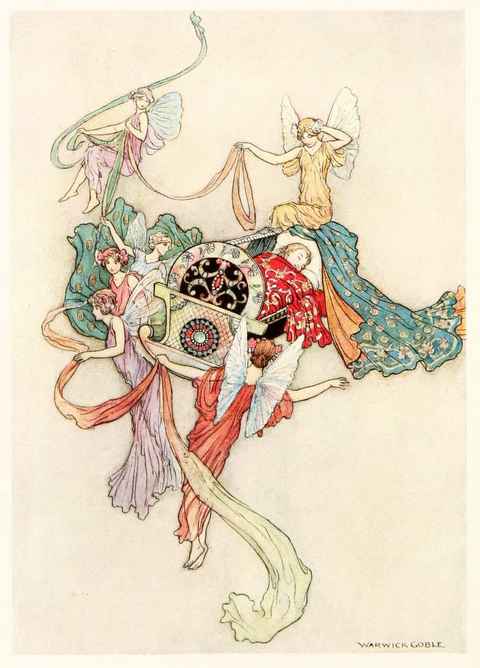
The White Cat by Thomas Derrick (left) and Warwick Goble (right)
Historical context of d’Aulnoy’s fairy tales
Despite the fact that her works were internationally popular in the 17th and 18th centuries, all of them are nearly forgotten today for at least three reasons:
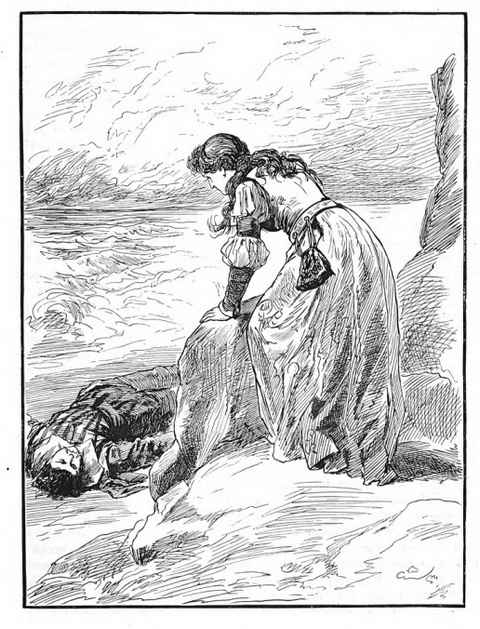
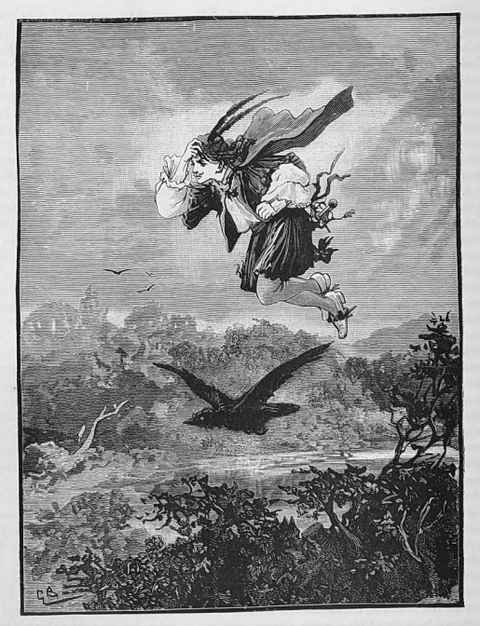
Bee and Orange Tree (left) and Prince Sprite(right) by Gordon Browne
- Fairy tales became popular material for collectors (the brothers Grimm being the most famous of all) who presented them as a part of the cultural heritage of certain nations, in times when nations were not yet fully formed. These collections were written by scholars who wanted facts, not imagination.
- The genre entered mass production during the 19th century. As with any business, this was a world of power, dominance, and competition. In short, a world for men. Yet, d’Aulnoy’s fairy tales were still printed then. With the rising demand for educational messages (like in one of her literary successors, Madam Le Prince de Beaumont), they slowly vanished from the bookshelves.
- The narrative style of d’Aulnoy fell out of favor. When the audience expanded to include lower classes with less free time, readers started to prefer more ‘to the point’ written stories. Her fairy stories are pretty lengthy (from 12 to 44 printed pages each), and her narration lacked the dramatic suspense we are still used to today.
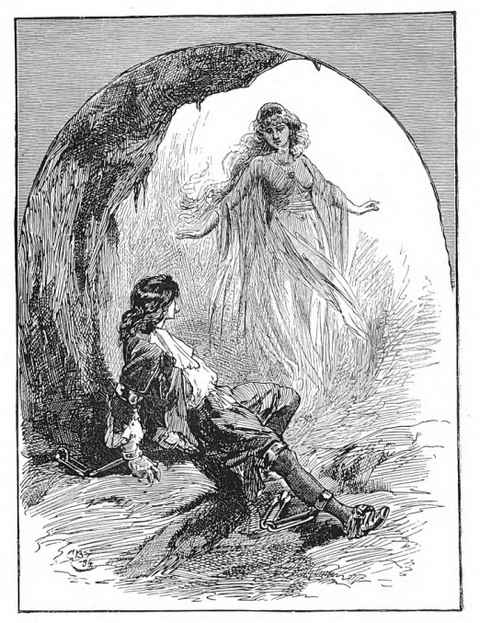
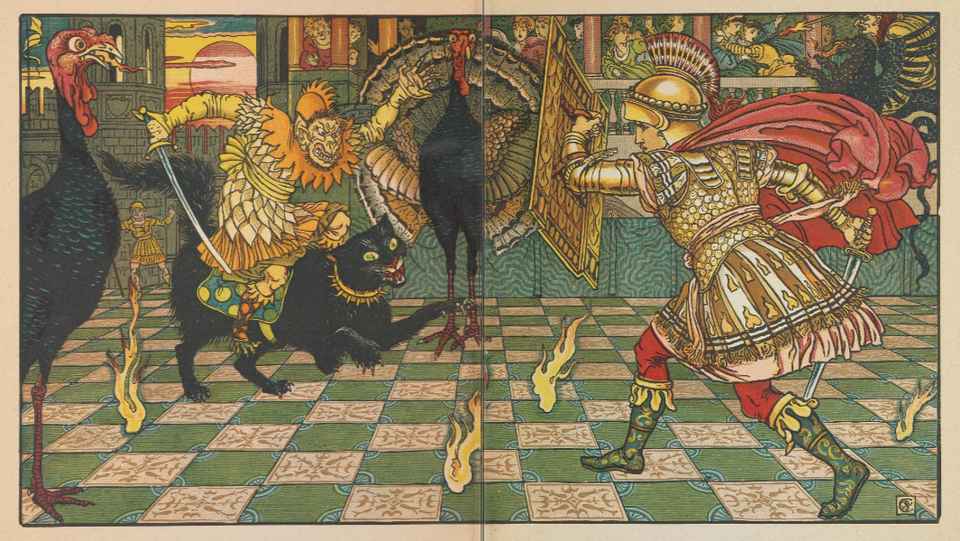
The Yellow Dwarf by Gordon Browne (left) and Walter Crane (right)
While the fairy tales of Madame d’Aulnoy will probably never gain global popularity again, they represent an important milestone in the development of the genre and literature in general. They are full of emotion and have many complex, powerful female characters. She deserves a place right next to another master of storytelling: Hans Christian Andersen.
Leave a Reply