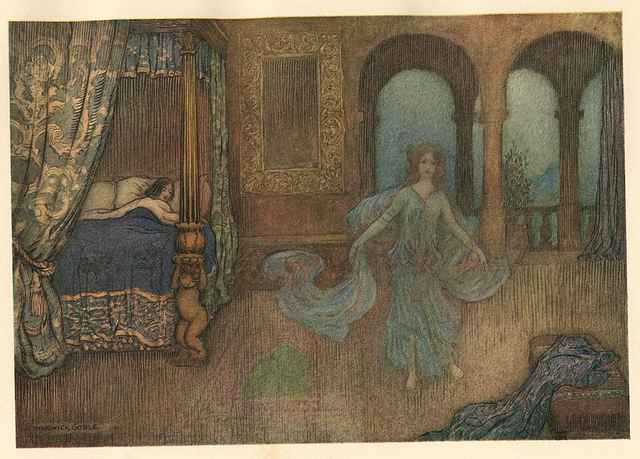
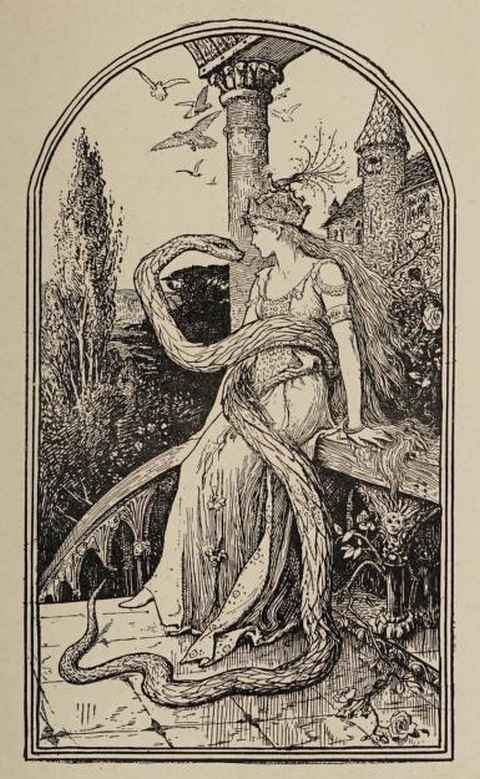
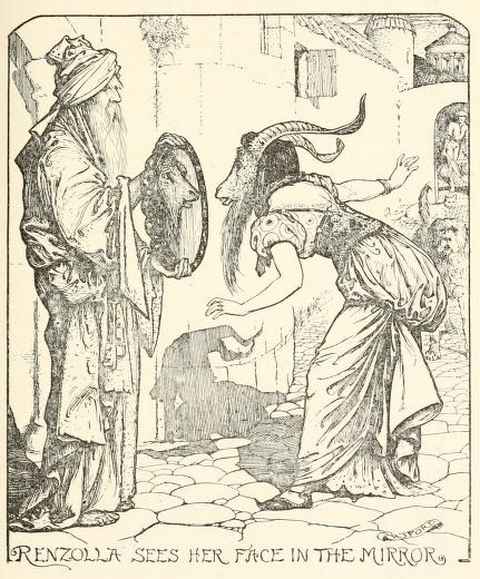
The Grimm Brothers – Facts You Probably Don’t Know
Jakob and Wilhelm Grimm are famous for their collection of fairy tales. It was first published in 1812 as Children’s and Household Tales and went through seven editions during its lifetime. Today, it’s by far the best-known book with fairy tales featuring Rumpelstiltskin, Hansel and Gretel, The Town Musicians of Bremen, and many other classic works for children.
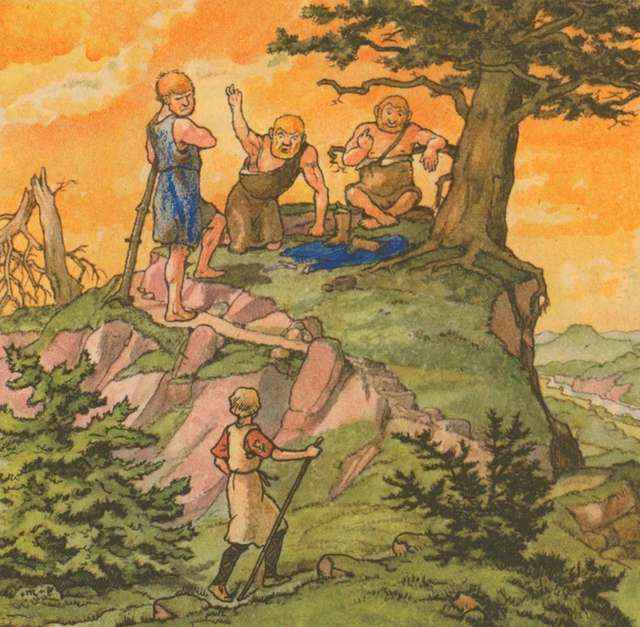
King of the Golen Mountain by Max Teschemacher
Despite the worldwide popularity of the Brothers Grimm, most people don’t know much about their lives and works. This article will address numerous misconceptions, so you will be better informed and able to use your newly acquired knowledge to your full advantage. Let’s dive into their magical world!
Harsh Life, Hard Work
Jakob and Wilhelm were born to a jurist with a well-established business and a mother who was the daughter of a city councilman. They were the oldest surviving sons in a family with eight boys and a girl. Three of their brothers died before they reached the age of two. Kids were schooled at home by private tutors and lived happily until their father died of pneumonia.
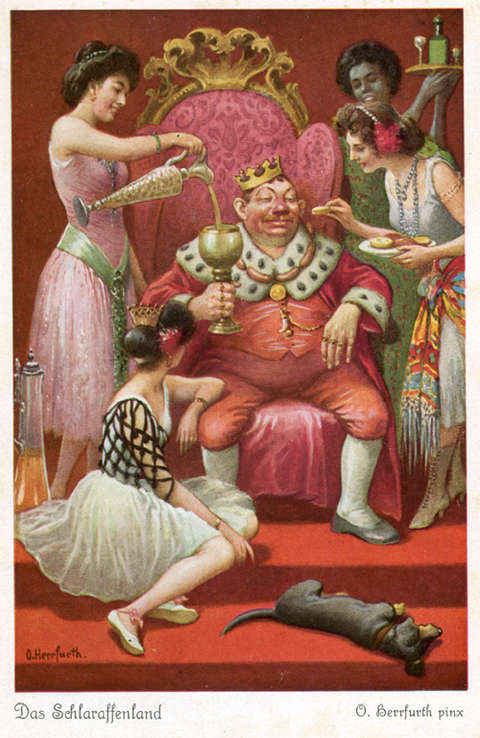
The Land of Plenty, postcard by Oskar Herrfurth
This led to significant financial hardship for the family. They suddenly became poor and lost their large home and servants. They then had to rely on their mother’s family for financial support. When a year later the grandfather died as well, the brothers had to leave the rest of the family and move to Kassel. They enrolled in a gymnasium, paid for by their aunt.
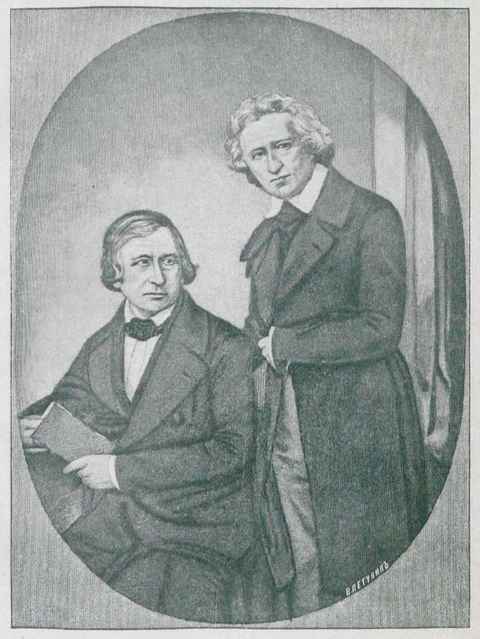
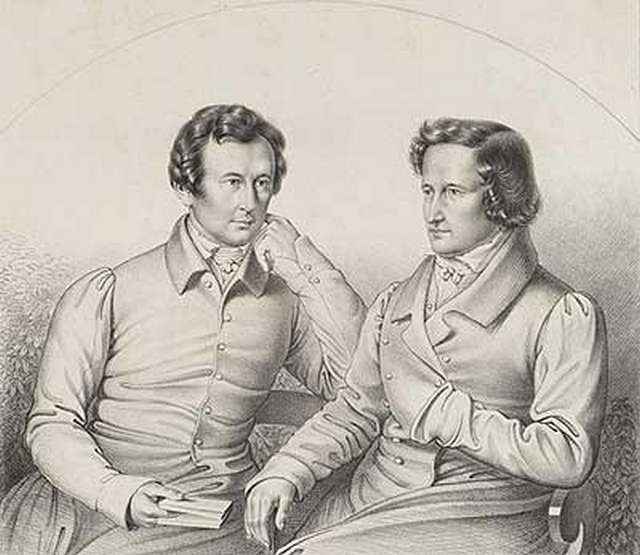
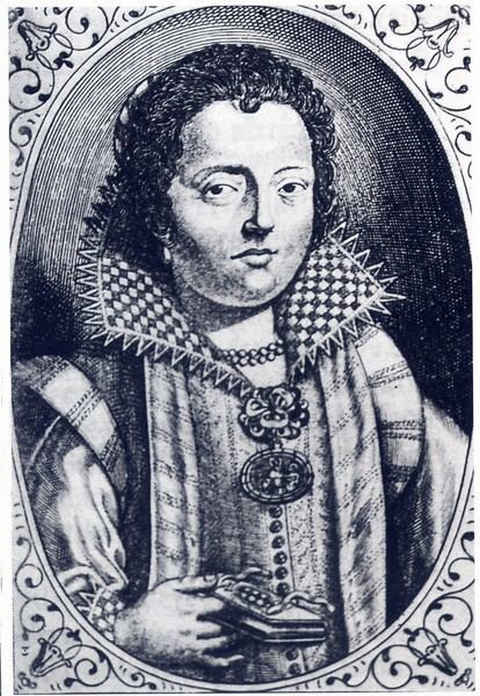
Portraits of Jakob and Wilhelm Grimm
After that, they slowly built their positions with hard work and renunciation, taking responsibility for other family members, including their brother Ludwig, who became a painter and made the first illustrations for their most famous book.
The pattern of riches-to-rags-to-riches appears in more than half of their stories for children, but it is not the only pattern.
Injustice
Fairy tales by the Grimm Brothers are characterized by another recognizable element: the pattern of injustice. They experienced it from an early age. It followed them for the rest of their lives. Let’s highlight a few examples:
- Father dies, and the young children have to take the responsibility of adults.
- Despite hard work and top achievements (they both graduated as the best in the class), they couldn’t get scholarships because they belonged to a lower social class. Instead, they had to find jobs. Jacob abandoned his studies to work as an assistant in Paris and earn enough money to feed his family.
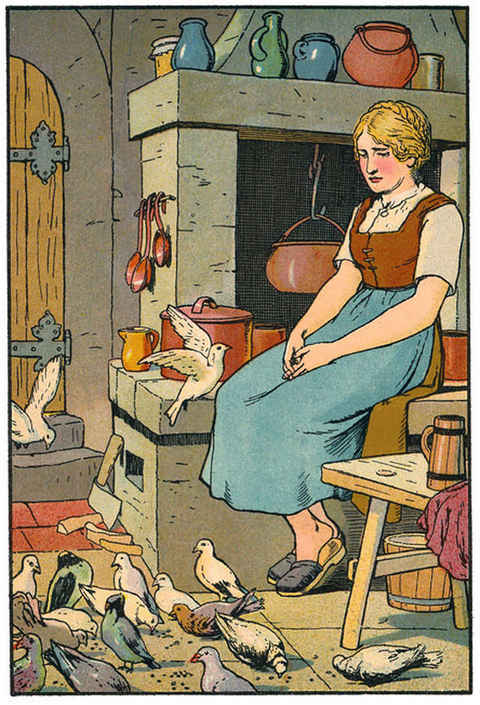
Cinderella (Aschenputtel) by Georg Albert Strodel
- Both brothers became librarians at the King of Westfalia, where they were overlooked when the post of the chief librarian was available.
- They became professors in Gottingen but lost their jobs and income during political unrest.
Absent Father, Large Families, and Sacrifice
For most of his life, Jacob was responsible for other family members. He also helped Wilhelm, who suffered from poor health, missed a year of school due to scarlet fever, and had to visit a sanatorium to heal his heart and respiratory conditions. Sacrifice is another pattern in their fairy tales. Another characteristic is the presence of a family with many boys and a single girl. This is just like the Grimm family.
We can find six brothers and a daughter in Six Swans, seven brothers and a daughter in Seven Ravens, and Snow White, who takes care of seven dwarfs. The theme of sacrifice appears in dozens of other fairy tales from their collection, but all of them share almost the same trigger: an absent father.
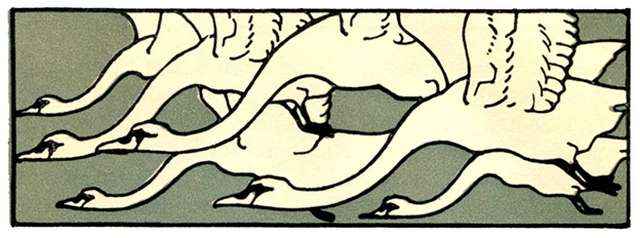
Seven Swans by Willy Juttner
The death of Jakob’s and Wilhelm’s father undoubtedly marked their lives. It’s no coincidence that so many of their fairy tales start with one of the following situations:
- The King dies, and his immature children are forced to find a way to survive in an unhospitable world.
- A poor family is suffering from hunger with an incompetent father and cruel mother (in most cases, replaced by a stepmother).
- Mother dies, father remarries and gets out of the picture so the new wife can take control of the household, favoring her children from before and humiliating her stepchildren.
- Kids are so poor they have to leave their homes and look for any kind of job to put some food on their plates.
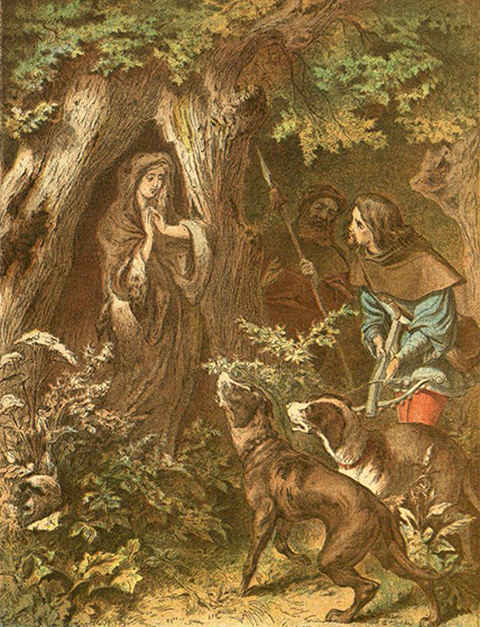
All Kinds of Fur by Rudolf Geissler
But wait! Didn’t the brothers Grimm collect the tales from folk tradition? Aren’t those patterns just coincidental with their life experiences?
Closer to Writers than Collectors
Jakob and Wilhelm Grimm began collecting fairy tales, fables, and other similar stories at the suggestion of Clemens Brentano. Brentano believed in a united Germany, which, at the beginning of the nineteenth century, was divided into approximately 200 kingdoms, counties, cities with special status, and other entities. Brothers Grimm shared Bretano’s views on the situation. They were pretty confident that the Germans could live in a stronger, more centralized state if they recognized their shared history and language. This could be achieved through shared myths and stories.
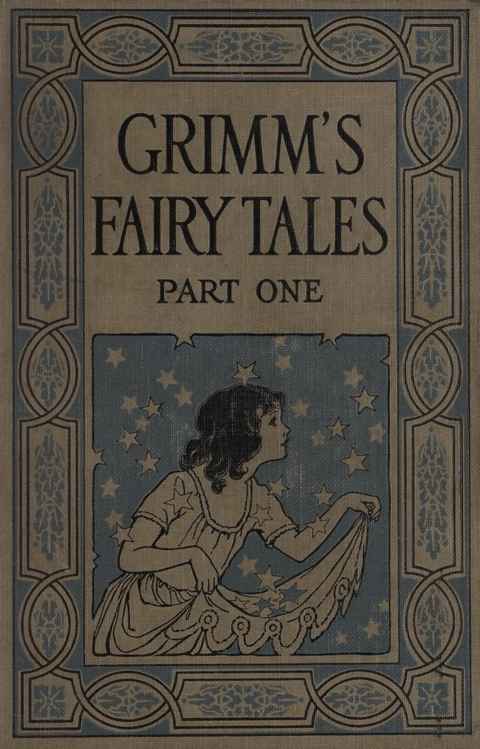
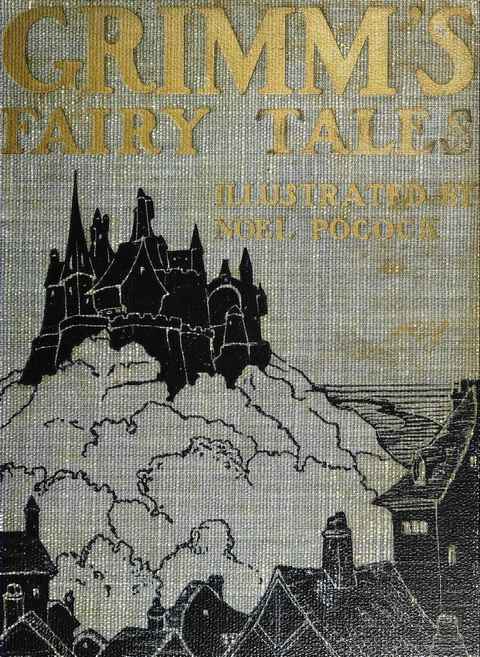
Vintage book covers of Grimms’ Fairy Tales by Blanche Fisher Laite (left) and Noel Pocock (right)
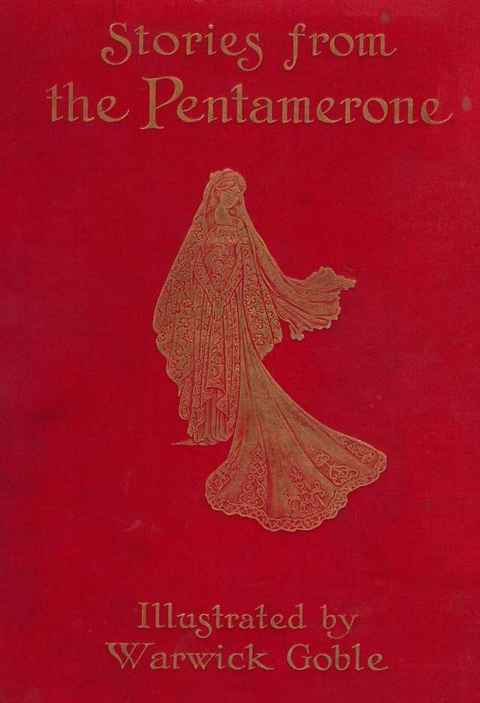
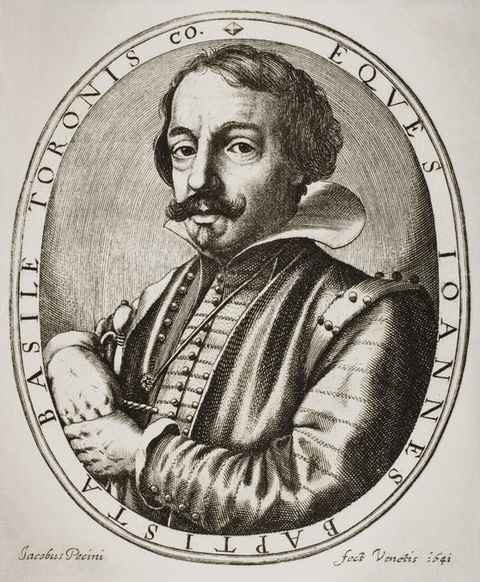
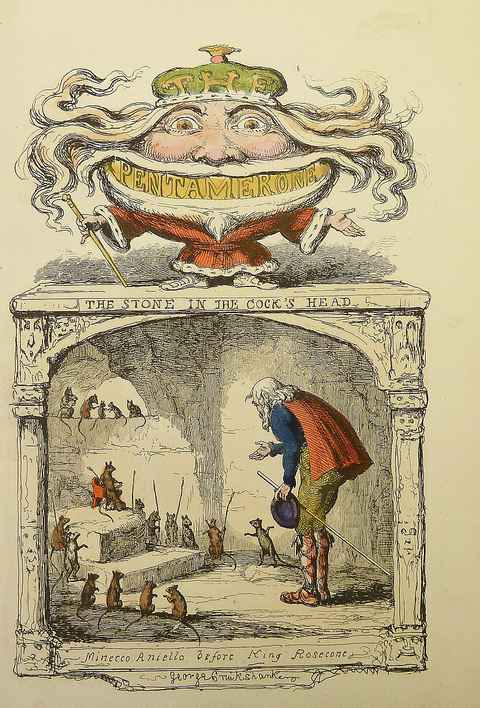
Jakob and Wilhelm started collecting both. But they were not traveling across the country looking for old storytellers, as many believe. They didn’t have the financial resources to do that, and they also wanted to accomplish as much as possible in the shortest time possible. Instead of working on the terrain, they preferred to talk to people from the neighborhood. In this manner, they collected dozens of fairy tales from their neighbors. One of these neighbors was Henriette Dorothea Dortchen Wild, who later became Wilhelm’s wife and the mother of their four children. They didn’t know that the fairy tales they were writing had often been published many years before they were born. These tales did not belong to the German tradition (most had already been printed in Basile’s Pentamerone), nor were they written by unknown authors. Many were written by well-known authors like Hans Christian Andersen.
The brothers also didn’t care about the suitability of their collection for children because they were targeting academic circles. After publishing, a few people suggested softening or excluding some of the stories from the collection because they have tremendous potential to teach important lessons to children.
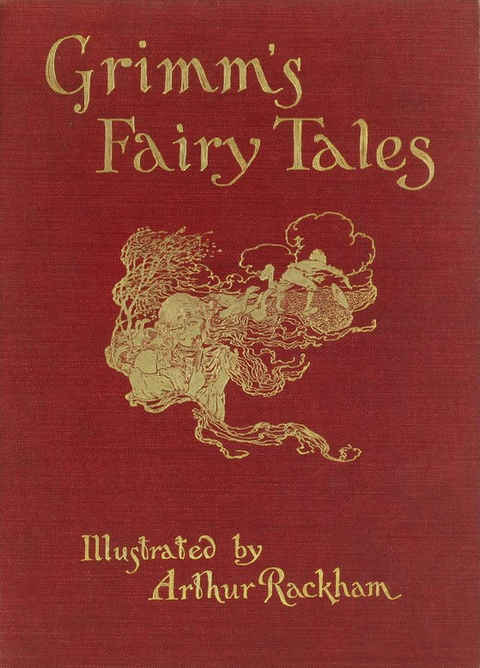
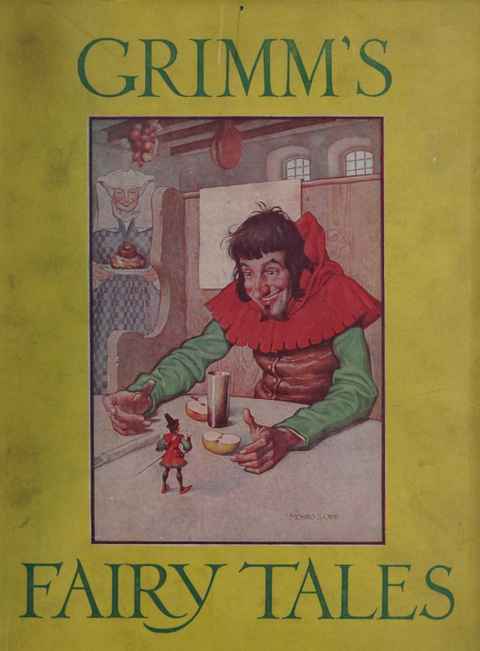
Vintage book covers of Grimms’ Fairy Tales by Arthur Rackham (left) and Monro Scott Orr (right)
So Wilhelm rewrote most fairy tales to make them appropriate for kids. He added aesthetic descriptions, deleted allusions to sexual activities, but never really bothered with violence. In Sleeping Beauty, he even added the part with princes dying on thorns while trying to rescue the sleeping princess.
The Brothers Grimm’s collection was not an immediate commercial success. In fact, they had serious problems convincing the publisher of the second edition. Their contemporary Ludwig Bechstein, who published a very similar collection with numerous fairy tales with the same titles and plots but written more tailored to the audience of the time, was considerably more successful.
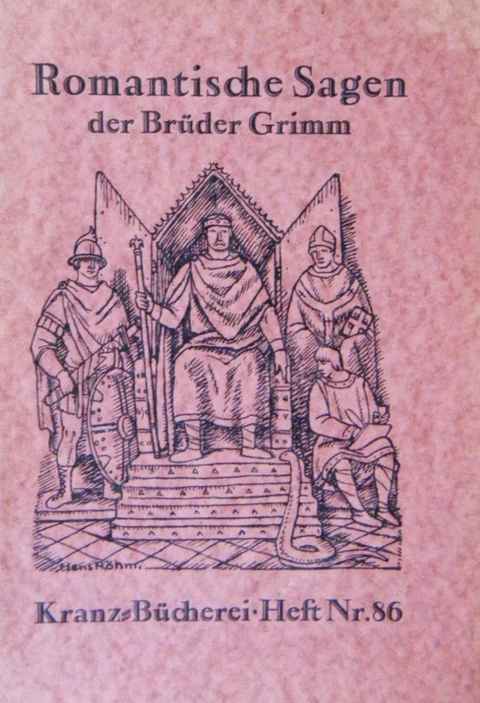
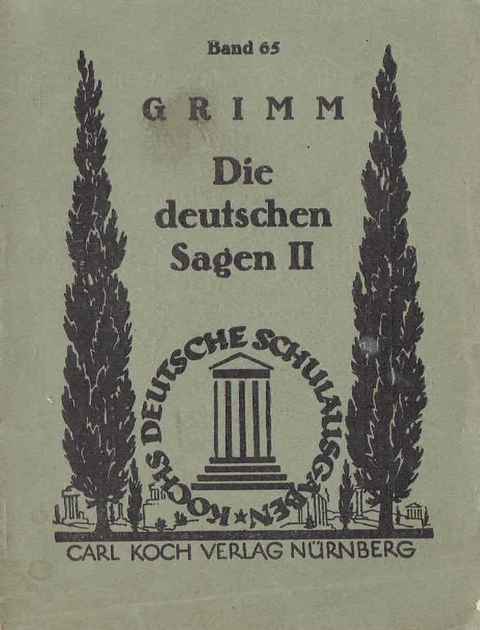
Vintage book covers of various myths and legends by the Grimm Brothers
Anyway, today we can say that Jakob and Wilhelm made a much bigger impact. They were awarded several honorary doctorates for their writing. Apart from fairy tales, they published myths, sagas, and the first volumes of the German dictionary.
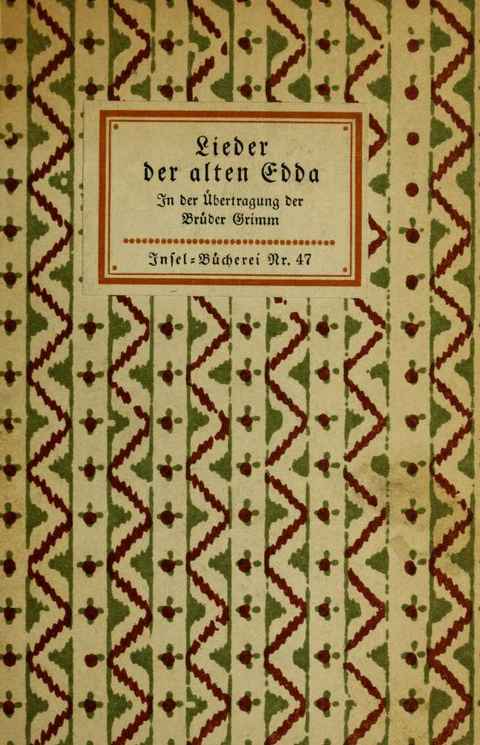
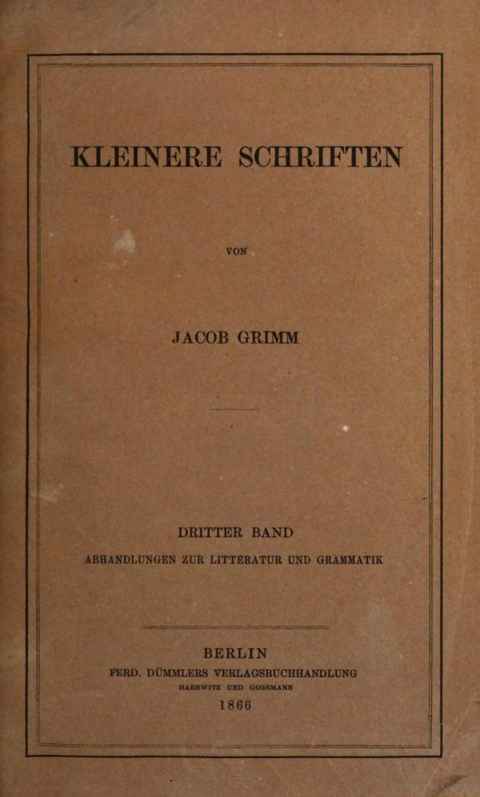
More vintage book covers by Jakob and Wilhelm Grimm
Their fairy tales became a part of the school curriculum and were heavily abused during both world wars while German nationalism was on the rise. They were translated into all major languages, although often adapted and censored. Now, it is regarded as the second most influential book in the Western Hemisphere after the Bible. The collection made its way into popular media.
- Did you know that in computer science, the term “breadcrumbs” refers to user interface elements such as internal links on websites? The term comes from the story of Hansel and Gretel.
- Did you know that modern medicine uses terms such as the Cinderella complex and the Sleeping Beauty syndrome, both of which are taken from the Grimm’s fairy tales?
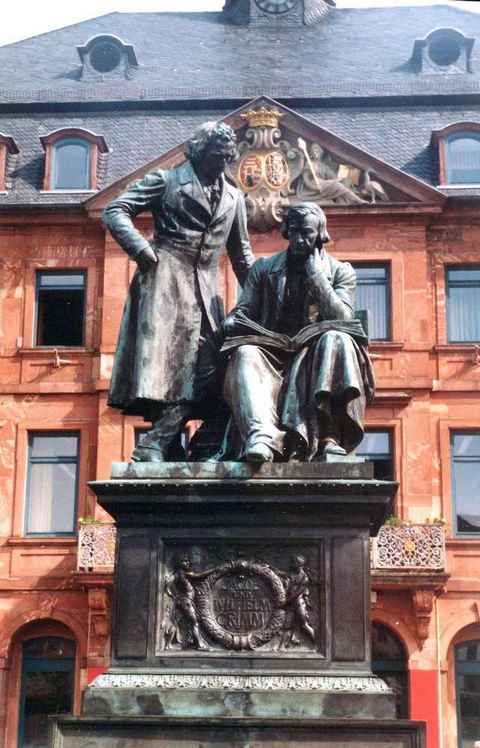
While many modern parents don’t read Grimm’s Fairy Tales to their children because they believe they are too violent, a growing number of experts in children’s psychology believe exactly the opposite – they provide a perfect opportunity to learn about the injustice and cruelty of the real world in the safe environment of their parents’ laps. On condition, of course, they are presented at the right time in the right way.
But this is a theme for another debate.
If you find this article useful, please share it with your friends and followers.