Tag: pentameron

  • Giambattista Basile: author of the first fairy tale collection

    Giambattista Basile: author of the first fairy tale collection

    Giovan Battista Basile, Who?

    While everybody knows Hans Christian Andersen, the Brothers Grimm, or Charles Perrault, they all borrowed material for their masterpieces from a single book written by Giambattista Basile. Who was this Italian writer? Why is his work so important, and why do most of us never hear of him?

    Family

    Reliable documentation about the birth of Giovan Battista (shortened Giambattista) Basile is scarce. We don’t even know his father’s name. Obviously, the Basile family has enough talent to put several of its members in the history books. Giambattista had at least one brother: Lelio, a successful poet and composer, and three sisters: Adriana, Margherita, and Vittoria, all popular singers in their time.

    Adriana Basile, and later her daughter, Leonora Baroni, were the most famous singers in 17th-century Italy. Adriana especially played a crucial part in Giambattista’s literary success.
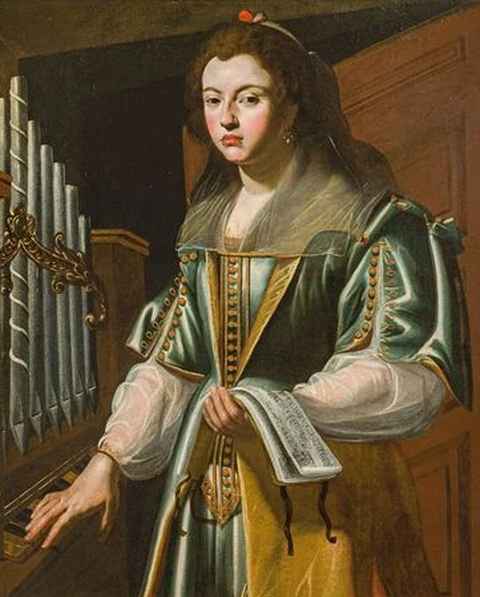
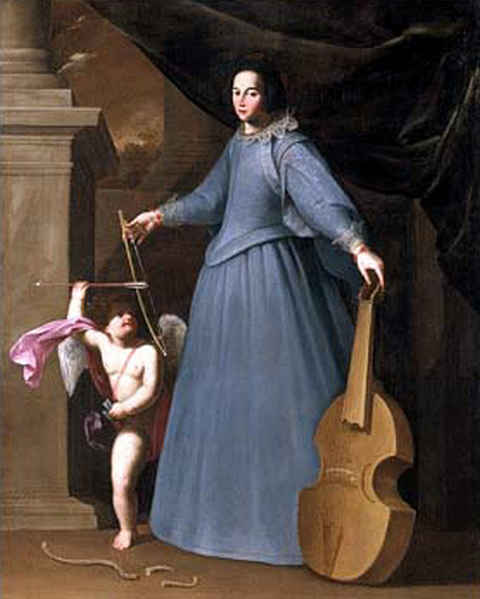
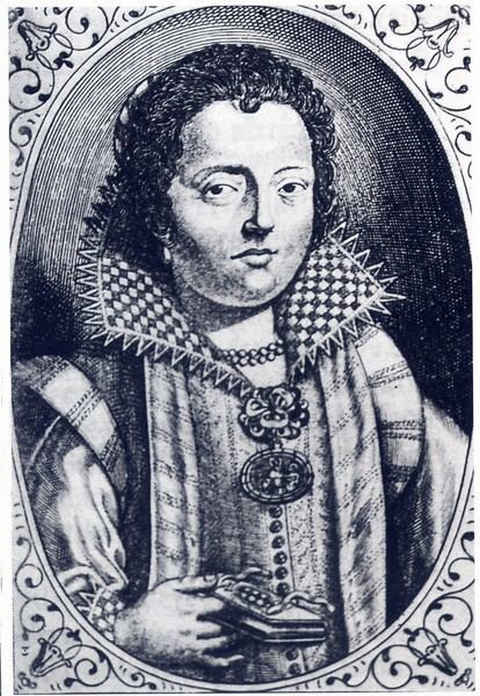
    Portraits of Adrana Basile (left) and Leonora Baroni (right)

    Family Basile is from Napoli, where Adriana very likely started her artistic career, but we can only find documents of her move to the court of Vincenzo Gonzaga, the Duke of Mantua. Mantua was the musical center of Italy in those times. The famous Monteverdi opera L’Orfeo premiered there in 1607. But let’s not skip the events.
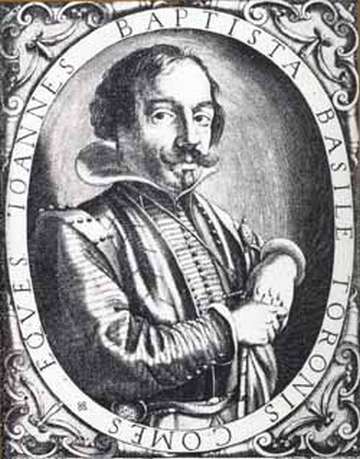
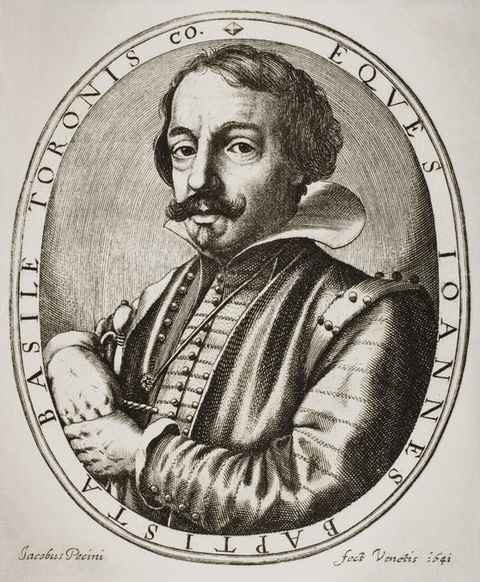
    Portrait of Giovan Batista Basile

    Giambattista was probably born in 1566, and we know he served as a soldier of the Venetian Republic for a short time. He also visited Crete, one of the cultural crossroads of the then-known world. He was talented in linguistics and fluent in three languages from an early age. He probably first came into contact with Giovanni Francesco Straparola’s Facetious Nights, a collection of tales containing several early versions of fairy tales, such as Puss in Boots, Donkeyskin, and Hans My Hedgehog.
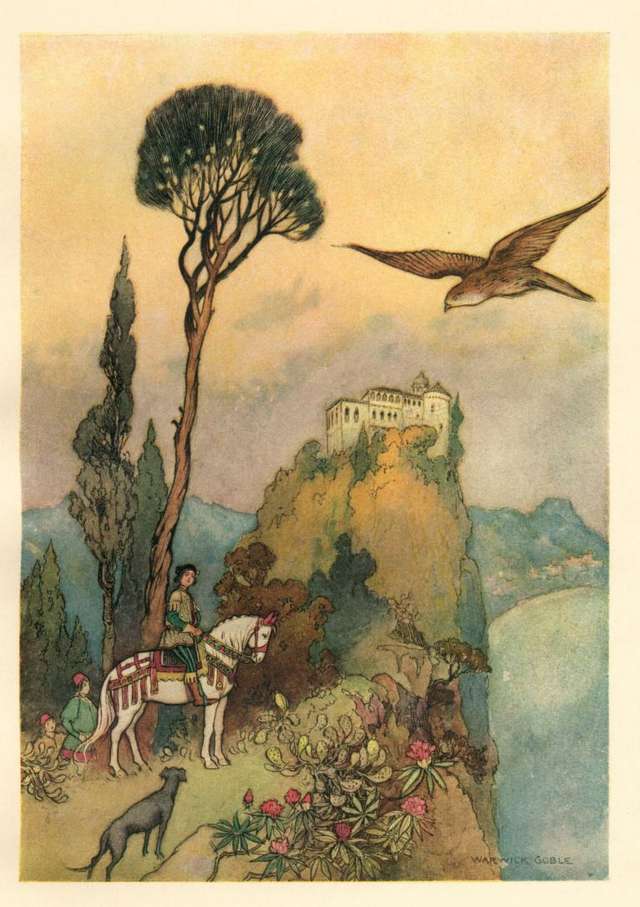
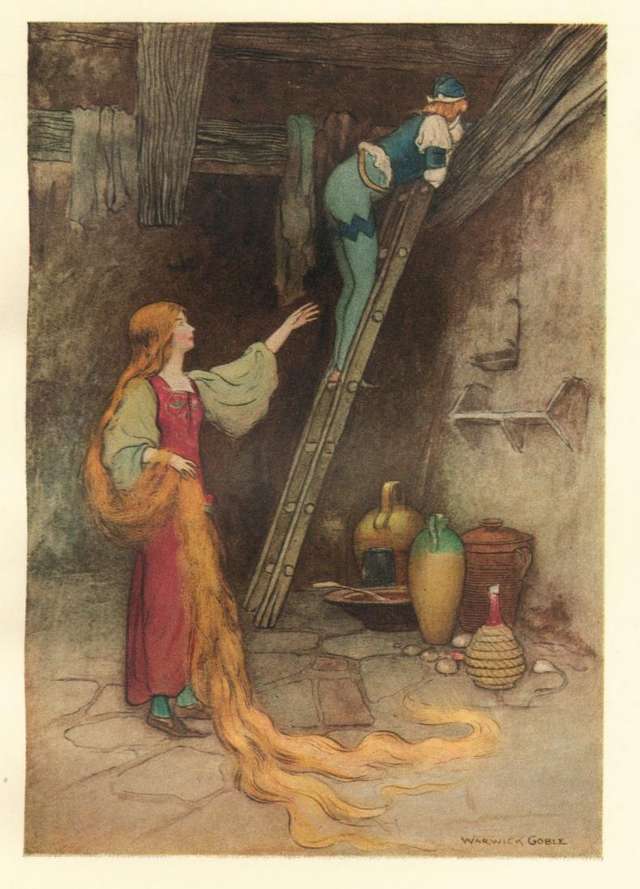
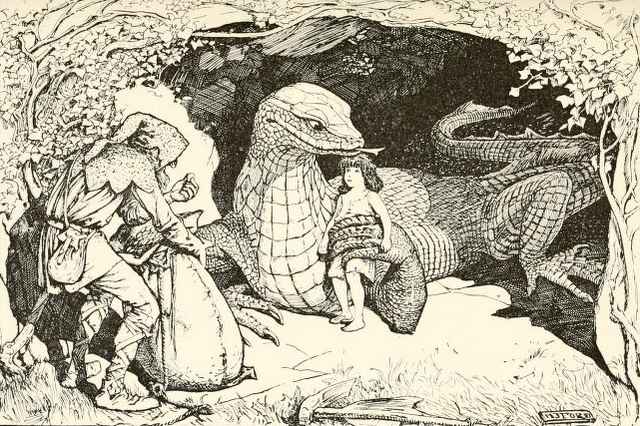
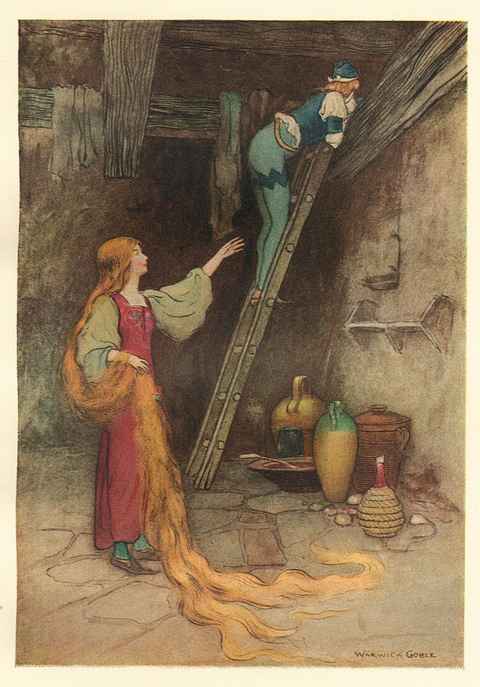
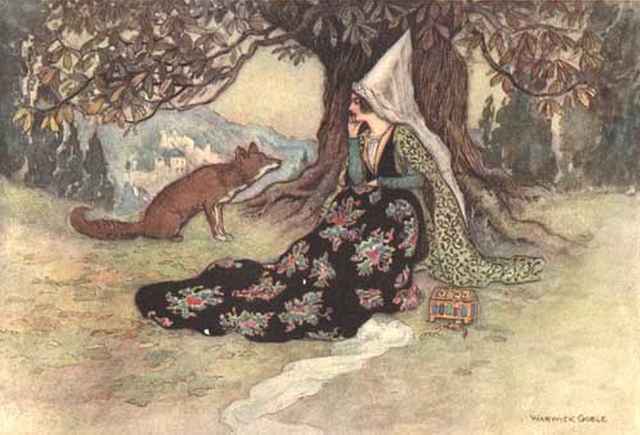
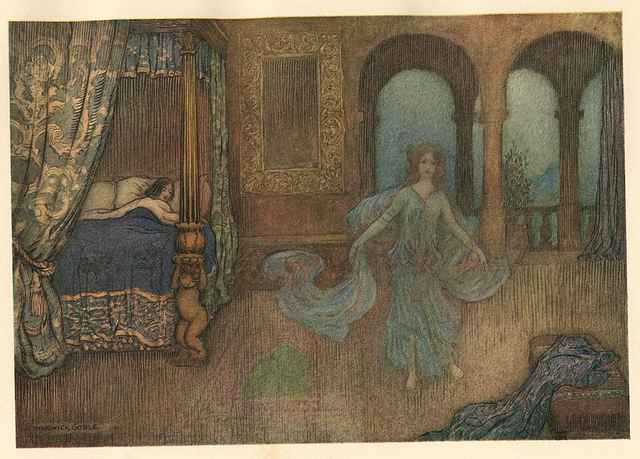
    Sun, Moon, and Talia (left) and Petrosinella (right) by Warwick Goble

    These tales and short stories are arranged in a format similar to Boccaccio’s famous Decameron, with storytellers telling tales to one another. The same form was later used by Giambattista Basile.

    Between Mantua and Napoli

    In 1610, Adriana and her husband, Muzio (Mutio) Baroni, moved to Mantua on the condition that Giambattista be hired as well. To be honest, a whole extended family, including her sisters Margherita and Vittoria, and children moved. The Duke accepted this condition, but Giambattista had another idea – he stayed in the Stigliano court, trying to occupy the emptied position of Muzio. He wrote a pastoral poem dedicated to the Prince of Stigliano, Carafa, and became a founding member of the Academy of Naples. The Academy became one of the major intellectual forces in southern Europe and an important crossroads of Italian and Spanish culture.
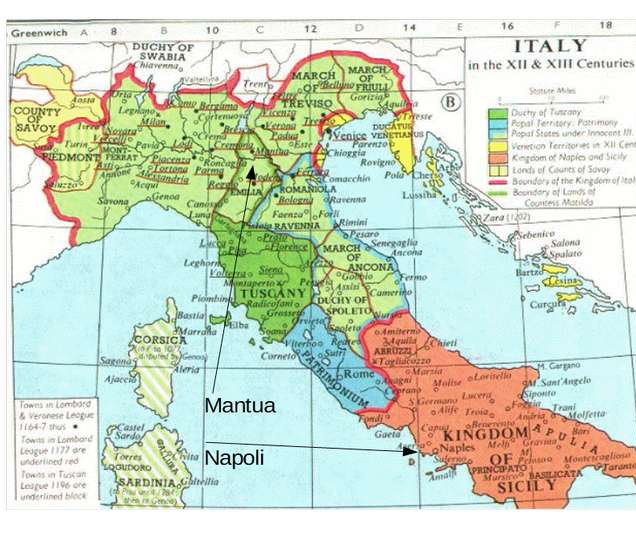
    Map of Medieval Italy

    In 1612, he finally moved to Mantua, where he composed numerous pieces of music for weddings, funerals, and other events of the local nobility. New duke Ferdinando promoted him to the position of the court gentleman. He proved himself a skilled organizer of various spectacles, earning him another invitation from Napoli. He became a feudal administrator and later a governor.

    In a way, we can compare his roles to those of another important author from several centuries later who also worked primarily as an official in Louis XIV’s court: Charles Perrault.

    These undoubtedly successful financial years probably ingrained his anti-court feelings and bitterness, which became more obvious in his later works, especially those written in the Neapolitan dialect. He signed his works in Italian and Spanish with his name and Neapolitan ones with a pseudonym – an anagram of his name – Gian Alesio Abbattutis. He maintained contact with the Neapolitan dialect and peasants throughout his life because his position required frequent visits to various properties belonging to his masters. One of his greatest wishes was to elevate the Neapolitan dialect to the status of the Tuscan dialect. Boccaccio, Dante, and Petrarch popularized the Tuscan dialect to such an extent that it later became the official language of Italy, which did not become a state until the second half of the 19th century.

    The Count of Torone

    Giambattista Basile worked for various princes and dukes as a governor and court writer, writing in Italian, Latin, and Spanish. He wrote many spectacles, including a masquerade for the visit of Maria of Austria, the sister of the Spanish king, to Naples.
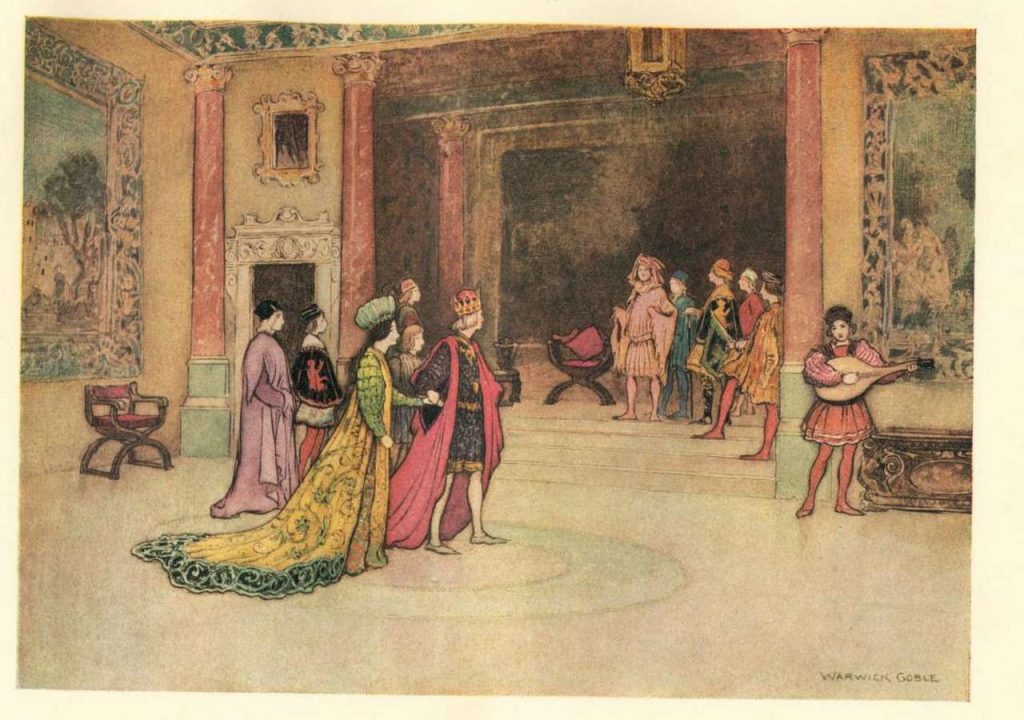
    Pippo (Cagliuso) by Warwick Goble

    Basile was an important member of several academies. He officially became Count of Torone, a town in the province of Caserta, in 1624, signing all subsequent works with this title. His final position was governor of Giugliano in the province of Naples. In 1631, Mount Vesuvius erupted, followed by a deadly flu epidemic. Basile was one of its numerous victims. He died on February 23, 1632.

    Several of his works remained unpublished, but fortunately, his sister Adriana decided to find publishers and preserve the literary heritage of her brother, who never experienced even a fraction of her glory but created one of the most important literary works in human history. Adriana decided to continue his legacy by signing his books in Neapolitan dialect with Gian Alesio Abbattutis.
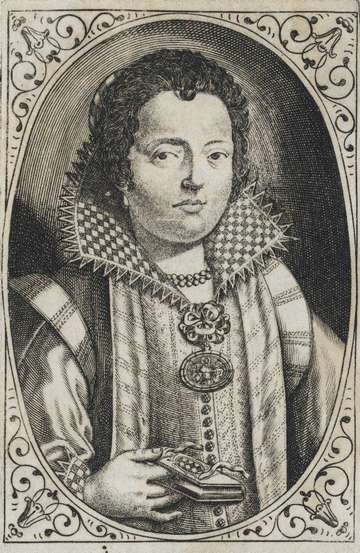
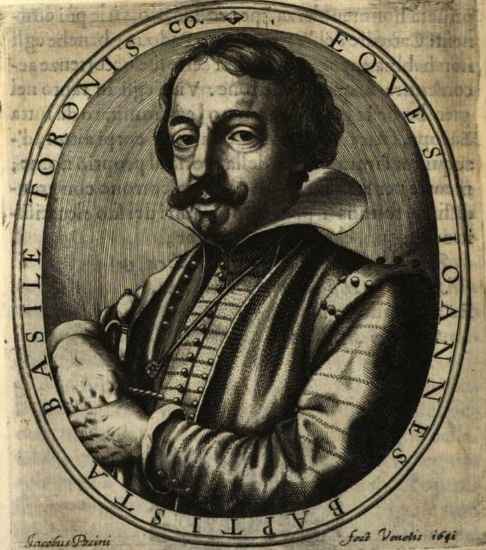
    Portraits of Adriana (left) and Giambattista (right) Basile

    The Pentamerone

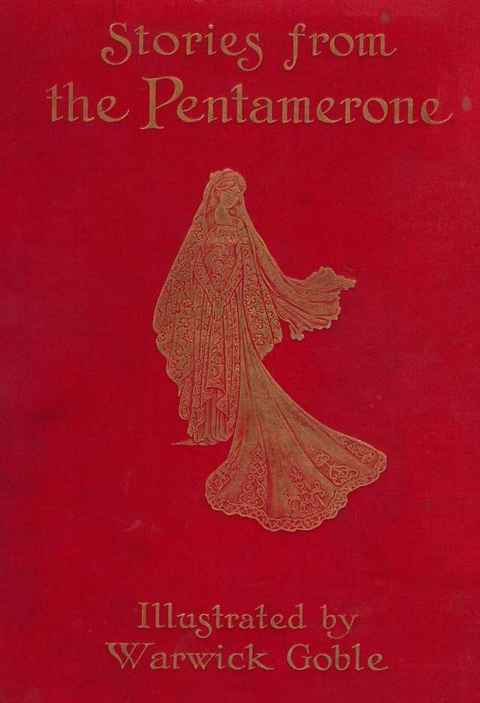
    The Pentamerone was originally titled The Tale of Tales, with a subtitle, Entertainment for Little Ones. It is the first national collection of fifty fairy tales arranged in a frame format similar to that of Boccaccio’s Decameron, Straparola’s Facetious Nights, Chaucer’s Canterbury Tales, and the Arabian Nights. There are numerous old versions of today’s classic fairy tales, such as The Sleeping Beauty, Rapunzel, Cinderella, The Goose Girl, and Diamonds and Toads. This book inspired many major fairy tale writers in the following centuries and remains an invaluable source for fiction writers and other artists.
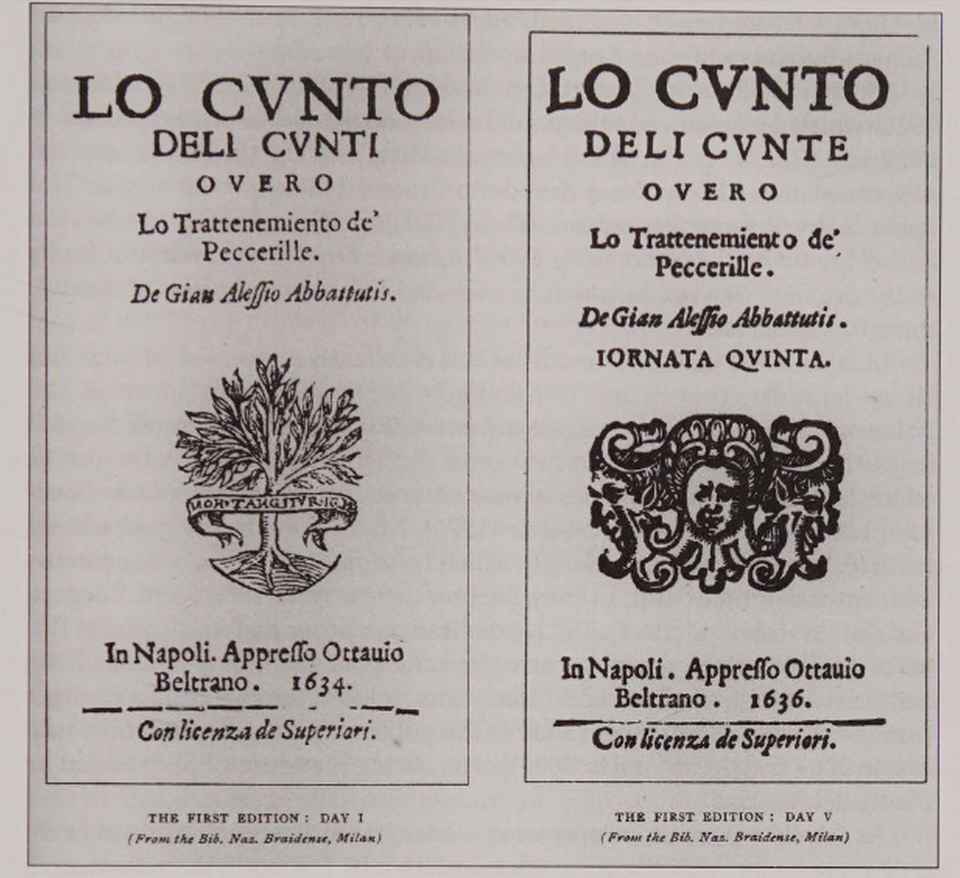
    First editions of Il Pentamerone (in two books)

    Written in the Neapolitan dialect, the text presented a significant challenge to translators and raised controversial issues for editors. Sir Richard Francis Burton completed the first full English translation, which was published posthumously by his wife. She did not allow any changes to the translation. But the second edition was rigorously censored just like all previous translations. Finally, in 2007, Nancy L. Canepa, a longtime scholar of Basile’s life and work, completed a full translation into modern English, which has been available in paperback since 2010.
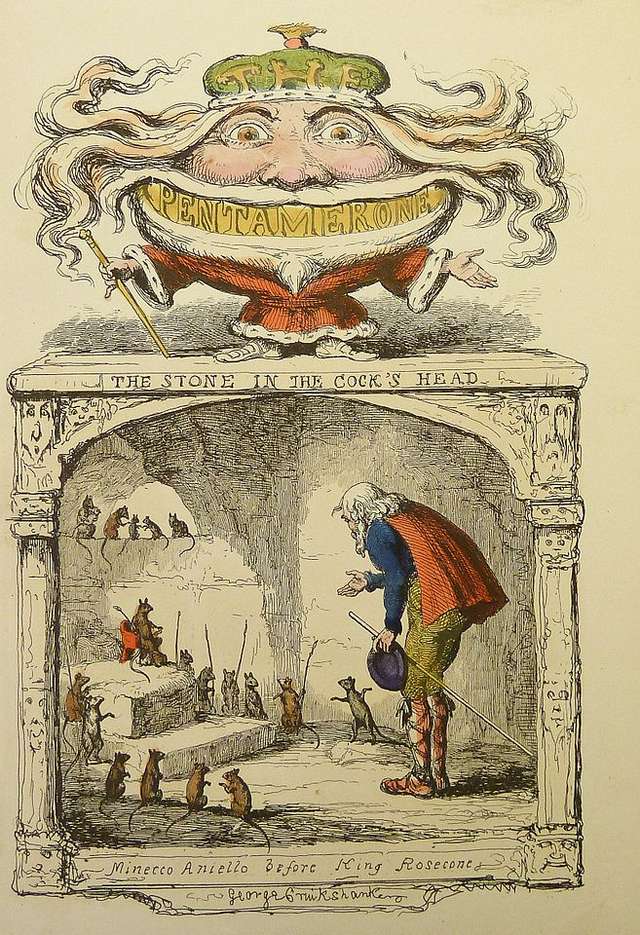
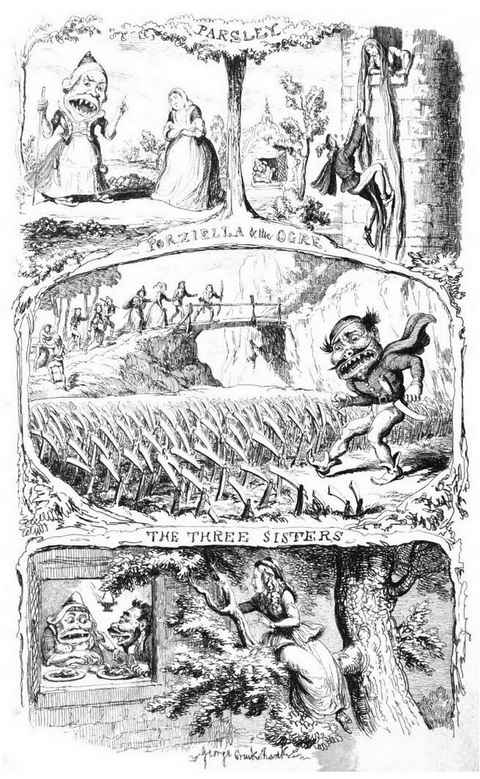
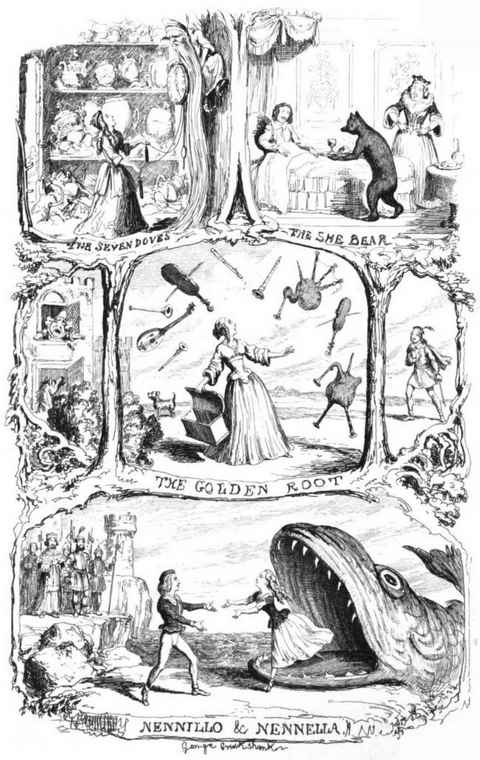
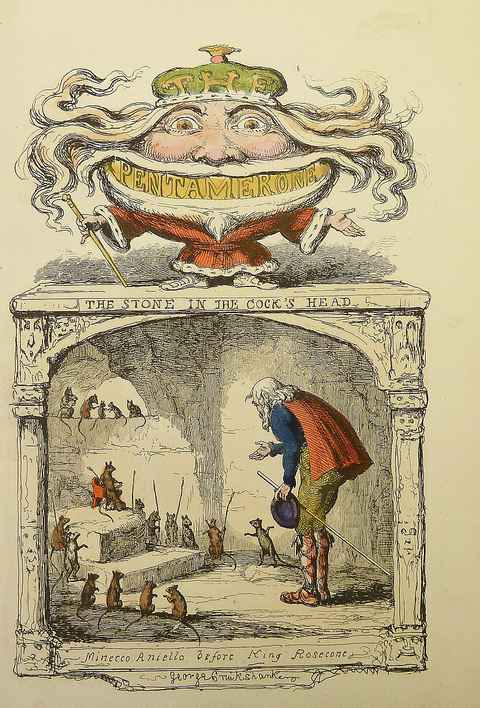
    Pentamerone illustration by George Cruikshank

    Here is also a full article about Pentamerone.

    The 2015 movie of the same name is based on three stories from the book and uses elements from several others. Don’t miss it. Giambattista Basile would love it!

    Can you add another fact about Giambattista Basile’s life and work?
  • Pentameron

    Pentameron

    Il Pentamerone: The Oldest Known Collection of Fairy Tales

    Il Pentamerone (also known as Lo cunto de li cunti, or The Tale of Tales) is little-known outside academic circles, yet it is foundational to many popular fairy tales. Published in the 17th century, it predates Perrault’s Tales of Mother Goose and the Brothers Grimm’s Children’s and Household Tales, thereby setting the stage for classic fairy-tale literature.

    Understanding Il Pentamerone’s special place in history requires context about its era and Basile’s intent. Its importance lies in its role as the cornerstone of the evolution of fairy-tale storytelling.

    Indeed, some of the oldest versions of well-known tales, including Rapunzel, Cinderella, and The Beauty and the Beast, can be found in The Pentameron.

    The Book

    One of the most popular books in the 15th and 16th centuries was definitely Giovanni Boccaccio’s Decameron. It presents 100 stories, each told by one of 10 people over 10 days.

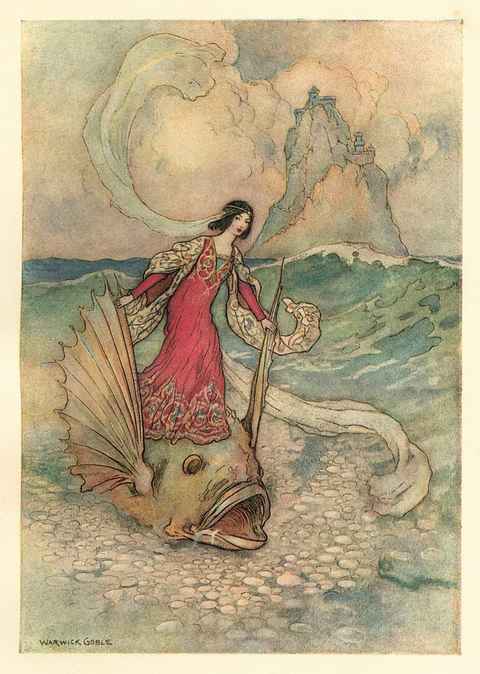
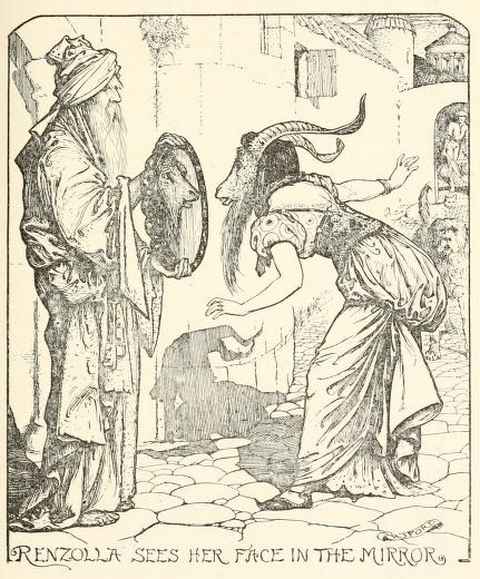
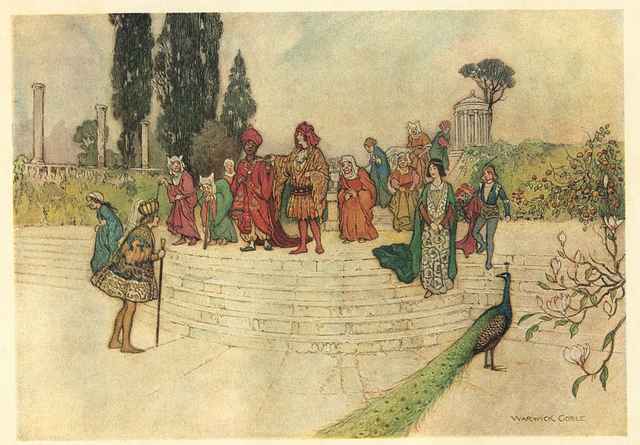
    How the Tales Came to Be Told by Warwick Goble (left) and The Goat-Faced Girl by Henry Justice Ford (right)

    Such a framed format, with fictional people telling fictional tales, was popular for centuries and reached its peak with the publication of Galland’s Arabian Nights at the beginning of the 18th century. Gianbattista Basile chose the same format but decided to write 50 stories, not 100, as in the Decameron. This logically leads to the unofficial name Pentameron. Another important influence was Giovanni Francesco Straparola’s The Pleasant Nights, perhaps the first collection of written fairy tales (though it contains other types of stories as well). Some of the plots that appear later in Basile’s book were already present in The Pleasant Nights. Straparola’s major contribution to the then nonexistent genre was the structure of the tales. It was revolutionary in that it presented the possibility of climbing the social ladder thanks to magic. Straparola introduced a so-called rags-to-riches plot.

    Basile, who likely held a higher social position than Straparola (whose life is shrouded in mystery), preferred a different kind of plot. The main character starts out as a prince, rich merchant, or similar member of the upper class, but loses this position due to circumstances beyond his or her control, such as war, illness, or accident.

    But through the story, the fallen star regains his or her position, which may be even higher at the end of the story. Such a plot was definitely less problematic for the target audience than Straparola’s.

    Yet just like Straprola, Basile didn’t want to risk – he never published his stories. They were printed only several years after his death, when his sister brought the manuscripts to the printers.

    Portraits of Giambattista Basile and his sister Nicoletta

    Basile’s Tale of Tales was published in two volumes: the first in 1534 and the second in 1536. Not even his sister dared to use the author’s real name, so the book was published under the pseudonym Gian Alesio Abbatutis.

    The style of narration is typical baroque with numerous unnecessary descriptions, which soon made the tales unfit for the new times, and they were almost forgotten until Jakob and Wilhelm Grimm discovered them in the translation of one of their colleagues, Felix Liebrecht.

    They praised the book as the first collection of national fairy tales in history. Its famous collection contains recognizable plots of many well-known tales. One of the reasons for staying unknown to a wider audience was the language of Pentamerone. It was written in Neapolitan dialect with numerous vulgarisms and many elements unsuitable for sensitive ears.

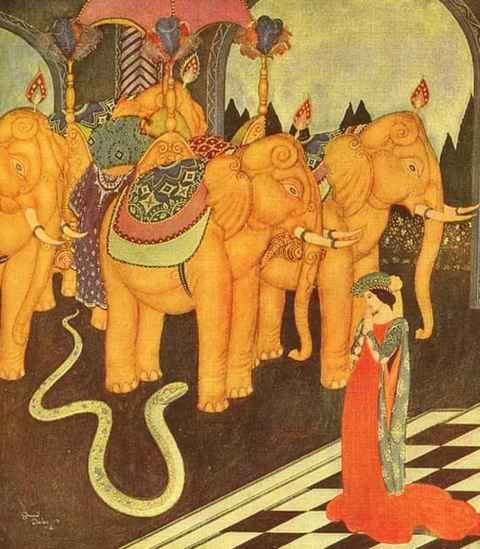
    Parsley (left), Three Enchanted Princes (middle) by Warwick Goble, and The Serpent Prince by Edmund Dulac (right)

    The Stories

    The Pentamerone starts with a frame story about Princess Zoza, who was unable to laugh. Her father finally manages to make her laugh, but she offended an old lady who put a spell on Zoza. She can marry a prince only if she fills a jug with her tears in three days. Just before the jug was filled, Zoza fell asleep, her slave stole it, and ended the task instead of her. The slave marries the prince, becomes pregnant, and demands to hear stories for her amusement. Ten storytellers, including Zoza (in disguise), told her five stories each, and one of them discloses a slave’s fraud. She is punished (cruelly), and Zoza finally gets her husband.

    Among the told stories, we can find many of the first known written versions of popular fairy tales like Rapunzel (Parsley), Snow White (The Young Slave), Brother and Sister (Nennillo and Nennella), Diamonds and Toads (The Two Cakes), King Thrushbeard (Pride Punished) … Despite the subtitle (Stories for Little Ones) these tales were obviously not meant for kids. They are full of themes more fitting for yellowback literature, such as unfaithful spouses, treacherous servants, and evil neighbors. They are also the first written collection of fairy tales, most of which have plots present in many countries. This makes the Pentamerone a very special literary treasure.

    Il Pentamerone, illustrations by George Cruikshank

    Some of the biting sharpness of the original Pentamerone was lost through translations. Actually, most of the book was heavily censored. For example, the first English translation (Taylor, 1848) included only 30 stories instead of 50 because the general public deemed Basile’s humor unacceptable. The second edition of Taylor’s translation in 1912 kept only 12 stories! But thanks to the widow of Richard Burton, famous translator of the Arabian Nights, English still got a complete book in 1893, three years after his death. However, the second edition of this book in 1927 was heavily censored, a fact that the editors briefly explained as ‘some corrections.’The best available translation today is probably by Nancy Canepa. It is a direct translation from the Neapolitan dialect, featuring all 50 stories, and is backed by extensive research. It’s definitely not a children’s book, but an important document from which everybody can learn a lot about the literature, our society, and ourselves.

    The Movie

    The Tale of Tales (Il racconto dei racconti) is a movie extravaganza by Matteo Garrone, with Salma Hayek, Shirley Henderson, Vincent Cassel, Toby Jones, John C. Reilly, and other movie stars. The book comprises three tales: The Enchanted Doe, The Flea, and The Flayed Old Lady, enriched with elements from other fairy tales in the Pentamerone.

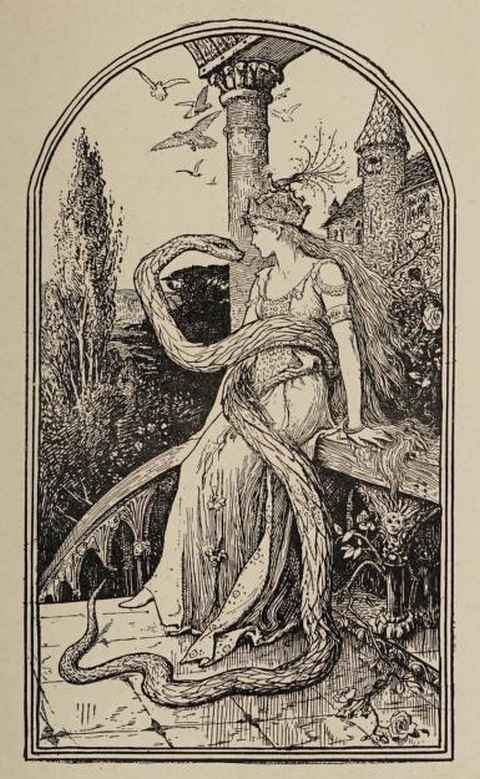
    The Enchanted Snake (left) and The Myrtle (right) by Warwick Goble

    The movie is a unique creation with exotic settings, costumes, and music. Still, the plots and specific scenes may be a bit too gruesome for the general audience. The movie’s earnings (less than $6 million), despite its $12 million budget, reflect this concern. However, it will likely become a classic, a must-see for every film enthusiast willing to explore film beyond its ordinary limits. (And over two hours in length.) Beware: it’s R-rated for nudity and violence.

    Giving Credit to the Original

    The Pentameron, also known as The Tale of Tales, is arguably the most important book most people haven’t heard of. It introduced a so-called restoration plot into the story. In combination with fantastic elements, this plot forms the basis not only of fairy tales, but also of a significant portion of fiction in general.

    The Enchanted Snake (left) and The Goat-Faced Girl (right) by Henry Justice Ford

    The giants like Madame d’Aulnoy, Charles Perrault, Brothers Grimm, Hans Christian Andersen, but also J. R. R. Tolkien or J. K. Rowling all profited on this base, and it’s only fair to put the name of Giambattista Basile in the same group.