Tag: brothers grimm

  • Frog King – The Grimms’ Fairy Tale – Summary

    Frog King – The Grimms’ Fairy Tale – Summary

    The Princess and the Frog from Arranged Marriages to Kissing Frogs

    Over numerous editions, the classic fairy tale The Frog King was adapted to reflect changing societal norms and the writers’ beliefs.

    The Brothers Grimm wrote more than two hundred fairy tales, and about a dozen of them became classics, known all over the world. The Frog King, also known as The Frog Prince, is one of them. They considered it particularly important because they placed it at the top of their collection, where it remained in all seven editions published during their lifetime.
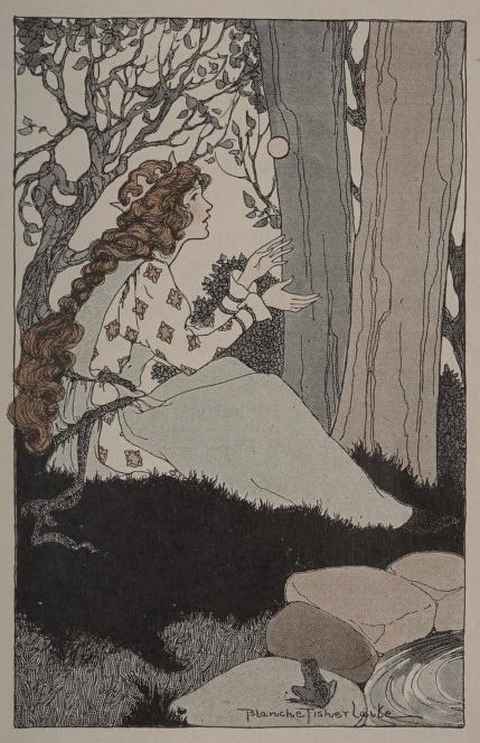
    the-princess-from-the-frog-king-illustration-by-blanche-fisher-wright

    The Princess from The Frog King plays with the golden ball, ilustration by Blanche Fisher Wright

    This story has also entered popular culture, thanks to its well-known quote about kissing frogs to find a prince. With a history spanning over five hundred years and many variations, it provides us with valuable material for studying important changes in society. Our focus will be on the three main characters and the story’s central theme of the marriage between the princess and the frog.

    Brief Summary

    The princess lost a golden ball, and the frog helped her in exchange for her word. She promised to be his friend only to get her toy back and then ran away. However, her father insisted that she keep her promise, which ultimately resulted in the frog transforming into a handsome prince.

    There are many ways to interpret this tale, and you are welcome to explore them through further readings at the end of the article. We will only investigate the powers and conflicts of the characters involved in relation to the marriage here.
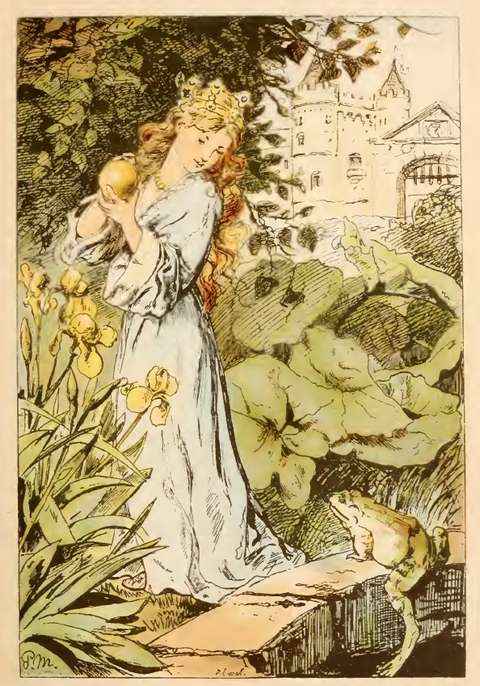
    paul-meyerheim-illustration-of-the-frog-king

    The Princess and the frog makes a deal, illustration by Paul Meyerheim

    The Princess

    She is young and beautiful. (Even the sun admires her.) Her immaturity is shown on several occasions. It looks like playing is all she does in her life. Losing a ball is not a sign of responsibility either. Keeping her word? No, thanks! Even when her father gave clear directions, she still tries to avoid the responsibility. The grand finale is the scene in her bedroom. She drops the annoying frog against the wall so hard it transforms!
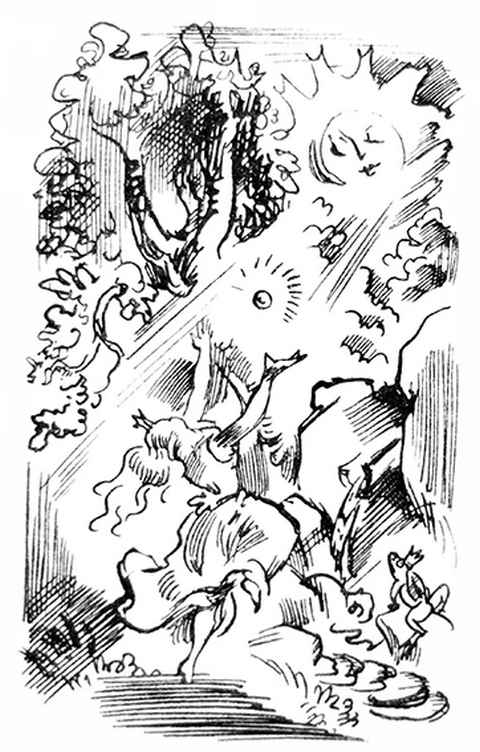
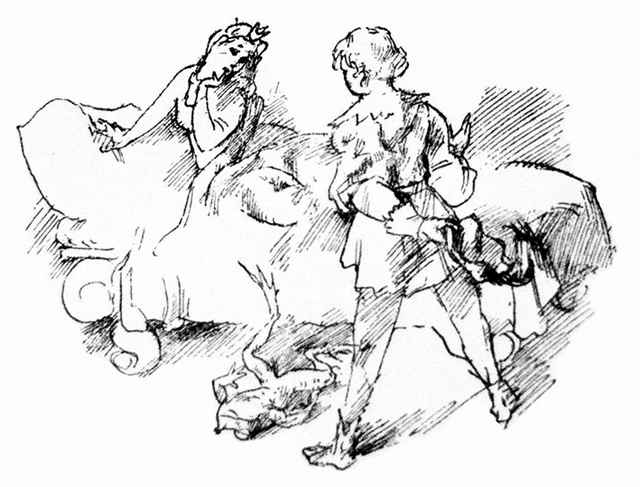
    the-frog-prince-bernhard-hasler
    bernhard-hasler-the-frog-prince

    While the princess is desirable as a possible wife from the physical point of view, she is incompetent and obviously needs guidance. This is provided by the highest authority – her father.

    The Frog

    He is the ultimate suitor. When the frog notices her problem, he is willing to help but only if she promises to start a relationship with him. Being ugly, even repulsive, he doesn’t care about his physical appearance. All his actions are directed in one way only: he wants to get in her bed. He uses everything he can to achieve his goal. If this is not enough, he capitalizes on her father’s authority. Her feelings are never his slightest concern.
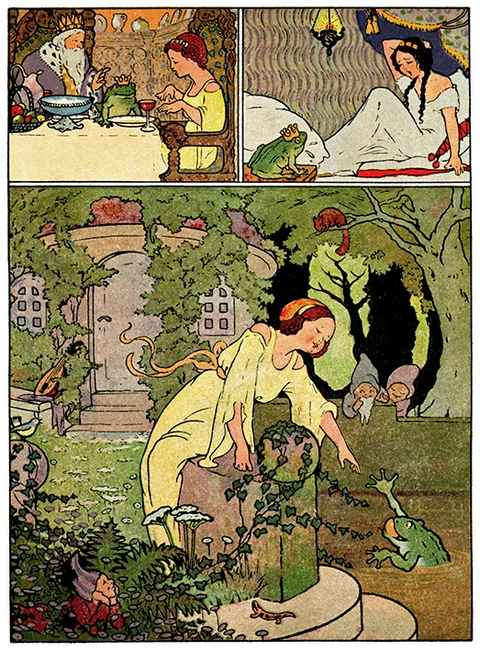
    franziska-schenkel-the-princess-and-the-frog

    It is only after his transformation into a prince that we discover he was under the spell of a witch. None of the dozens of known variations of the story explains why it happened. Perhaps every man is a frog by default until he finds a woman willing to help him become a true human?

    The King

    It’s hard to read anything from Carl Jung without immediately connecting a king with a figure of the father, and we all know what the father’s role is: to protect and guide his offspring. He does exactly that in The Frog King. Although he is not violent, his authority is indisputable. His word is a command.
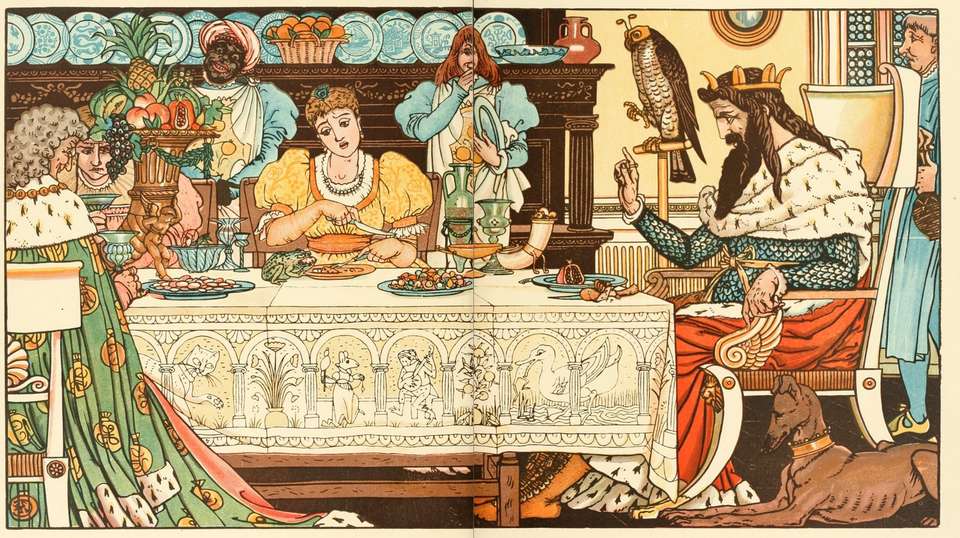
    the-frog-king-characters-by-walter-crane

    The princess is a teenager. Like every teenager, she tests the boundaries. Father’s job is to keep her in the safety zone until she settles up with another competent person: her husband. Please note: there is no mother in this fairy tale.

    Apperance

    One of the most obvious messages in The Frog Prince is not to judge others by appearance. The same is true in The Beauty and the Beast. But if we stay at this statement, we would be hypocritical. In both cases, the brides’ beauty is described in superlatives. After the grooms’ transformations, we are also told that they are handsome. Appearance matters in most fairy tales, as is most clearly demonstrated in The Puss in Boots.
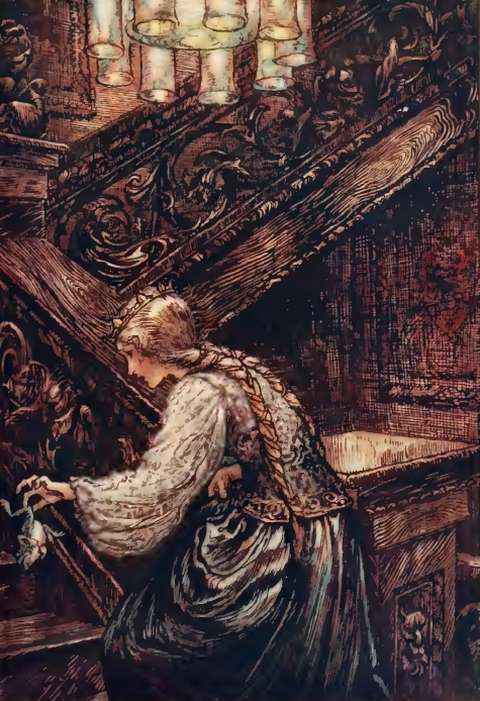
    arthur-rackham-princess-and-frog

    Marriage

    The fairy tale of the princess and the frog is very stereotypical. It’s all about male dominance and female submission, but it actually faithfully reflects the situation in society. Everyone has to play the role they were born into. The frog has to conquer her. She plays hard to get. Her father leads their actions to the successful ending.

    From a biological perspective, success is defined as procreation. Marriage is not necessary for that, and in early versions young couples actually sleep in bed before the marriage is even mentioned. But in their later versions, marriage becomes more important. That’s why the Brothers Grimm systematically removed all references to extramarital activities from their later editions of fairy tales. They even deleted the mere mention of the bed!
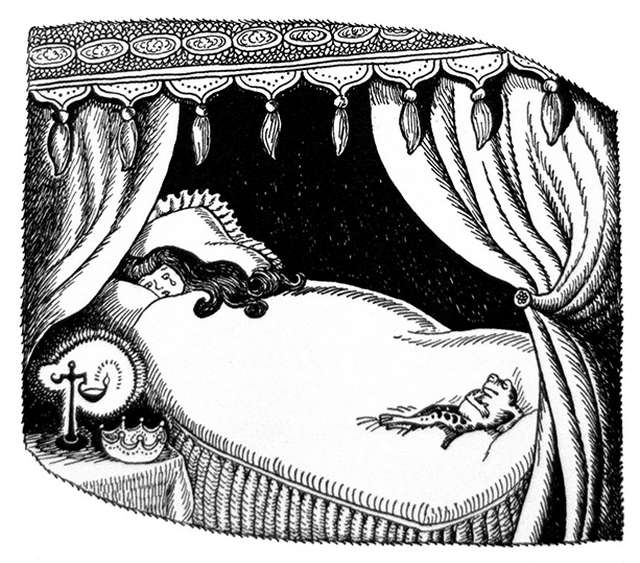
    frog-prince-by-wanda-gag

    Many old fairy tales follow the same story pattern. He has to prove his abilities before he ‘earns’ her. We can easily find hundreds of examples of the same behaviour in the animal kingdom as well. While it looks like she is considered only as a sort of trophy, biology never cared about emancipation. The male should carry on the best possible genes (fast, strong, courageous), so he has to be tested.

    Children are the reward for all his risks. While the mother always knows her children really carry her genes, the male never knows, so he is trying to be as sure as possible. This is the reason why brides in fairy tales are always very young and isolated from the rest of society. This is the reason why they are passed directly from fathers to husbands.
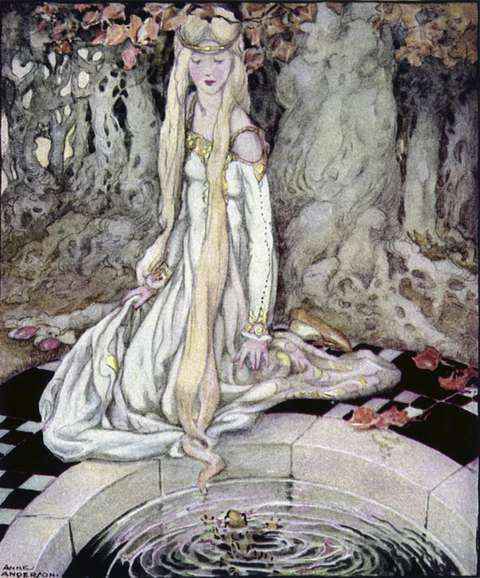
    anne-anderson-the-frog-prince

    Originals and improvements

    The numerous rewritings by the Brothers Grimm are probably what make this particular fairy tale stand out from the crowd. Not only were they collectors of old tales and guardians of folklore, but they were also active chroniclers of their time. They lived in the 19th century when new states were formed, traditional centres of power vanished, and many time-tested patterns were lost.

    One of the biggest changes was a breakdown of the traditional family as a basic social unit. Thanks to many societal changes, young people suddenly gained a lot of freedom, and with freedom comes risk. We could also say it is a synonym for responsibility. The Brothers Grimm were probably aware of the danger posed by the thousands of marriages based on impulse rather than careful consideration.
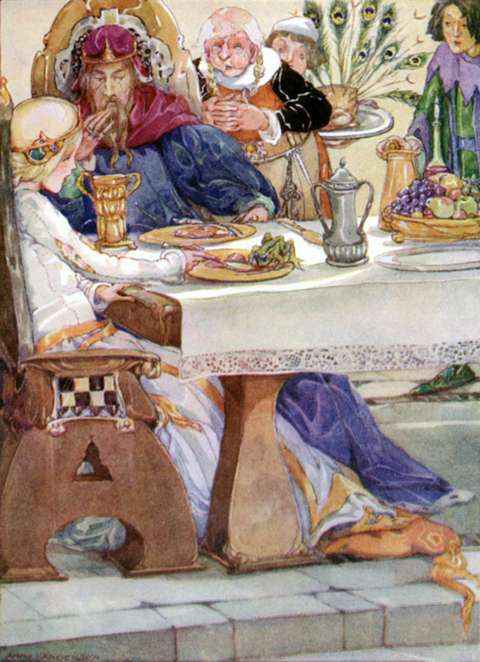
    anne-anderson-illustration-princess-and-the-frog

    This is where the king is irreplaceable. He not only shows authority, but he also upholds traditional values and guides young people who are passionate about what they do. Brothers Grimm believed traditional marriage was the best possible environment for raising children (they had plenty of opportunities to see how hard a life can be for a child without one or both parents; they lost their father at an early age, too), and in traditional marriage, the love of two young people wasn’t enough.

    Love is only one part of the winning equation. In fairy tales, fathers’ opinions are important too. Were they conservatives? Yes, of course. Did they try to preserve the status quo in society? Not really. It’s better to say that they wanted to maintain some order amidst chaotic changes with unpredictable results.

    Revolution

    We can look at fairy tales from a different perspective as well. ‘Living happily ever after’ is a cliché, but for a young audience it probably has a much better (and comforting) effect than ‘they lived until they divorced’. While it may seem monotonous to adhere to her father’s directives, intergenerational strife is a recurring theme in fairy tales. Yet, in most cases, the young characters gain independence in the end.
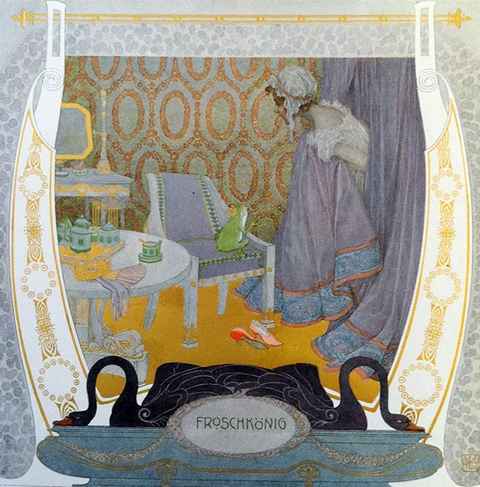
    heinrich-lefler-illustration-the-princess-and-the-frog

    This is probably the most important message of fairy tales. Kids grow up. They make mistakes, but in the end they become responsible citizens. As in the story of the Frog King, they could benefit from the wisdom of the older generation; they can succeed despite the mistakes of their parents (like in The Sleeping Beauty), or they can even find happiness thanks to the mistakes of their parents (like in The Beauty and the Beast).

    And the most subversive message? Despite all the archetypes, everything is possible!

    Do you want more?

    If you would like to learn more about The Frog King (The Frog Prince), you can check the article, which deals with frog symbolysm, found in this and other fairy tales and fables!
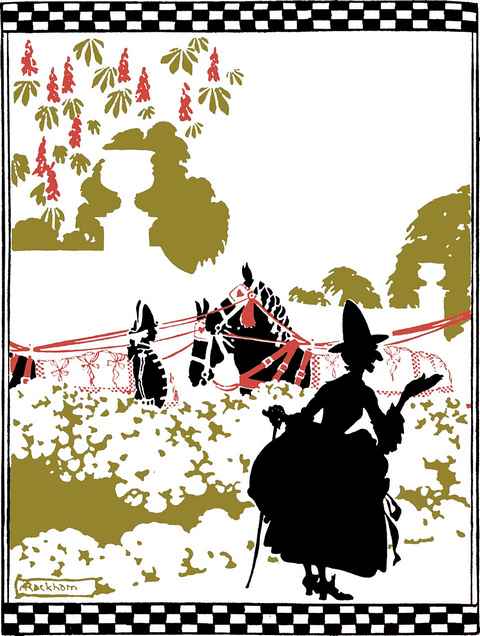
  • Cinderella – Themes of the Story

    Cinderella – Themes of the Story

    The story of Cinderella offers a wide array of literary themes and motifs. We will present only a fraction of the possibilities.

    Cinderella is probably the most popular fairy tale in the world. It is known in more than one thousand documented versions and variations. (We covered the impressive Cinderella’s history in a separate article.) One of the reasons for its success is probably the simplicity of the plot with the riches-to-rags-to-riches scheme. Another important reason is the high number of themes and motifs. Many of them are so universal that almost anybody could identify with the title character and her situation.

    These themes are what make Cinderella a classic. We will present them with examples and draw comparisons with other well-known fairy tales. Then, we will provide a few ways to apply the story’s lessons to real-life situations.

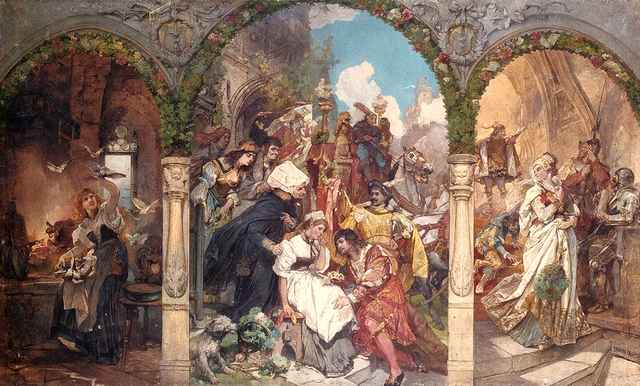
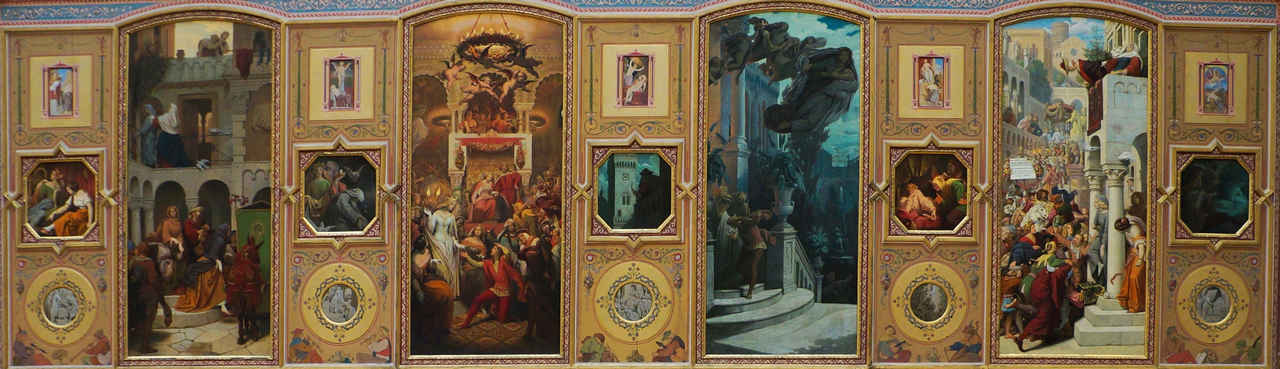
    Artwork by Moritz von Schwind

    Absent Father

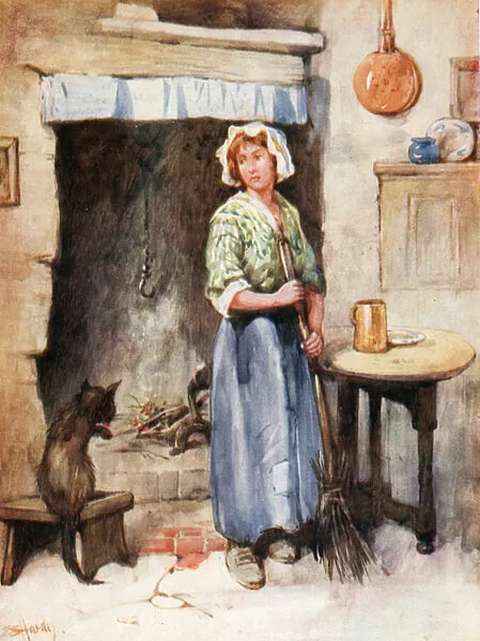
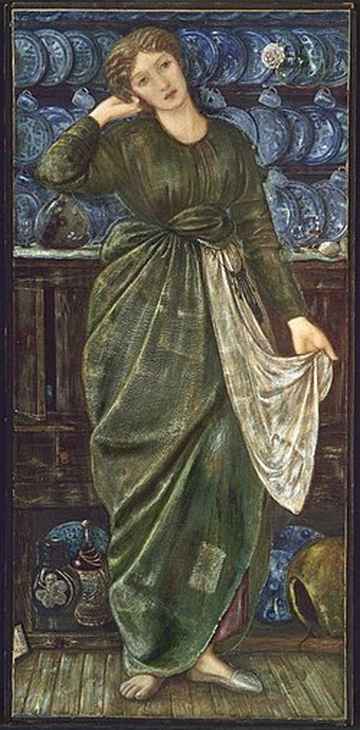
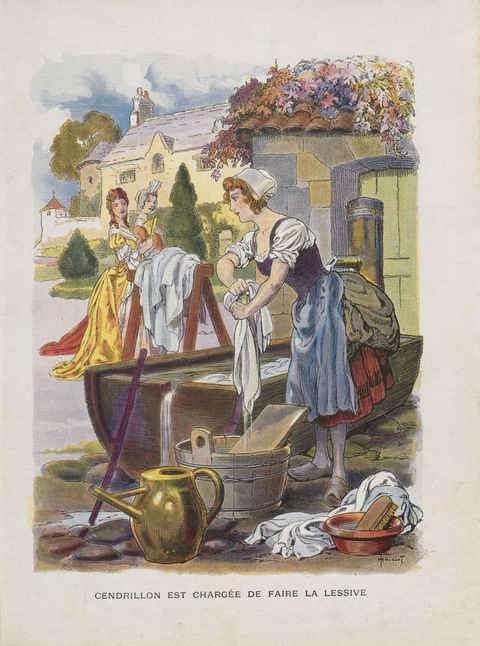
    Absent father is one of the most common themes in literature, especially in fairy tales. The reason is simple. Many fathers are not there for their kids when they need them. Think about Red Riding Hood, Goose Girl, Briar Rose, and many others. The reasons for the absence (physical, emotional, intellectual, …) are so many we could write a series of books. The story of Cinderella uses the absence of her father, who seemingly remarries just to make her life harder, to initiate a major change. It’s time to grow up. Growing up means taking responsibility. Break some eggs to make an omelet. When Cinderella’s father can no longer protect her, change is inevitable. In her case, things turn worse before they can improve.

    Illustration by Evelyn Stuart Hardy and painting by Edward Burne-Jones

    The Plot

    There are two basic plots in all stories in the world: rags-to-riches (an example is Puss in Boots, with the main character who starts at the bottom and climbs up) and riches-to-rags-to-riches (an example is Cinderella, where the main character starts in a good position, loses it, and then climbs even higher). We can argue that rags-to-riches is just a variation of riches-to-rags-to-riches with a later start of narration, when the main character is already down.

    Climbing up the social ladder / Marrying Up

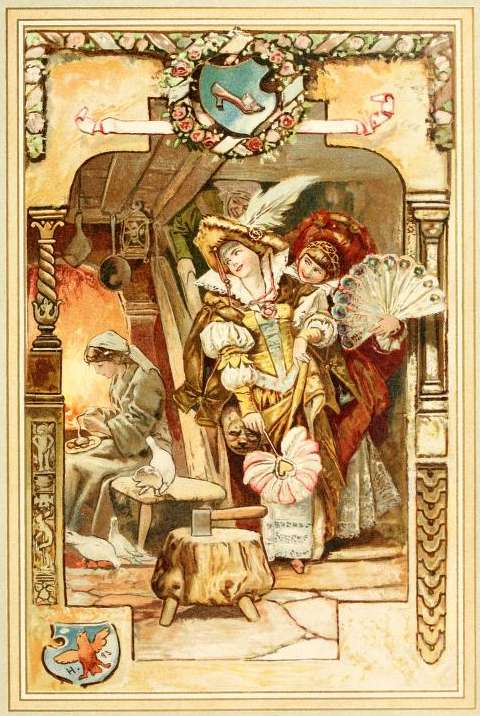
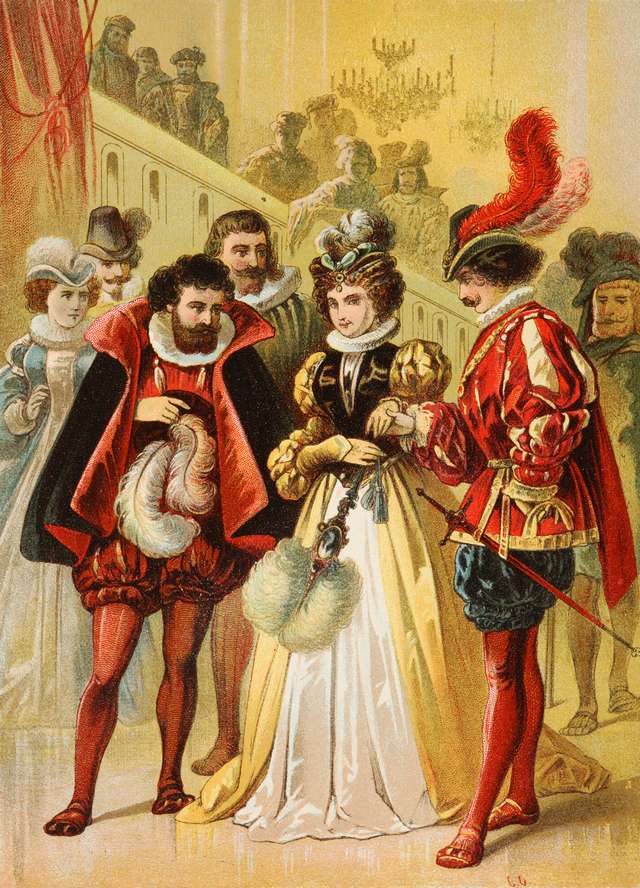
    Cinderella is not born in the worst possible conditions. Depending on the version, she can be perceived even as a princess. Yet her status degrades fast when her mother dies, and her father remarries a woman who already has two daughters. Cinderella falls to the bottom of the social ladder when she starts working as a maid and sleeping at the hearth. These changes eventually force her to look for an alternative, which, in her case, shows in the form of the ball at the castle and the possibility of marrying the prince.

    Marrying up is a popular theme in fairy tales. Giambattista Basile most likely created it as a way to entertain the nobility by presenting them with the completely unimaginable. However, the audience perceived it differently, especially when fairy tales were introduced to all social classes.

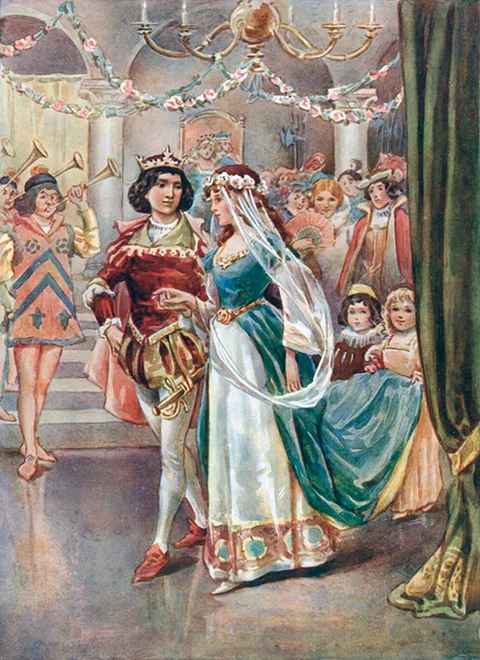
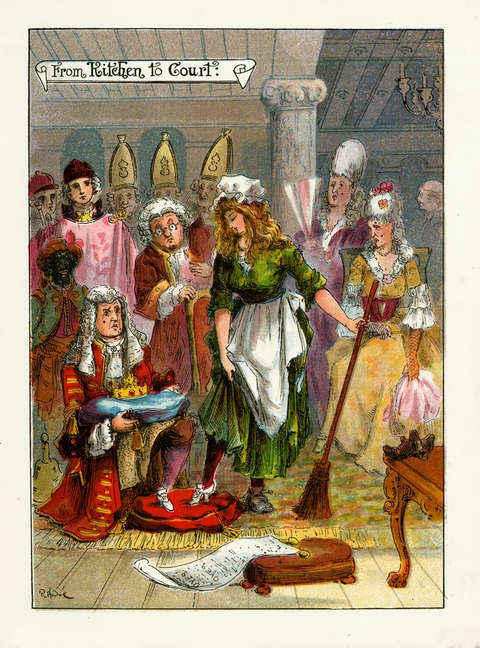
    Illustrations by William Henry Margetson and Richard Andre


    Siblings Rivalry

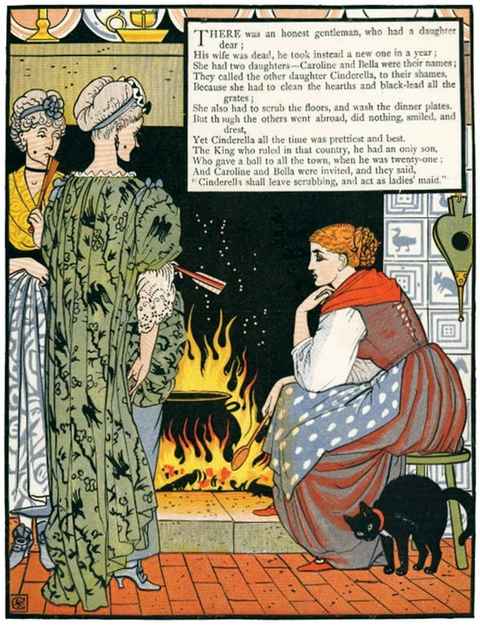
    Everyone with a brother or sister can identify with the rivalry that often arises between siblings. Kids demand attention from their parents. Some parents deal with their competitive kids better or worse, but none of them is perfect. In some cases, some children will inevitably be favored over others, which will make some feel unjustly treated. Although Cinderella is an extreme example, everyone can relate to her in some way. Even people without siblings experience similar injustices, which makes Cinderella so relatable to the wide audience.

    The story of Cinderella offers a solution: patience, waiting for the opportunity, and leaving the toxic home environment to find a better place to live where she can realize her potential.

    Illustrations by Henri Thiriet and Walter Crane

    Broken Promise

    The importance of a given word (after all, the Grimm Brothers were educated as lawyers) is often used as a theme in fairy tales, especially since they became considered educational material for children. In real life, the given word is supported by contracts, lawyers, and judges. Fairy tales and other literature provide a foundation for moral values accepted by society.

    When Cinderella solves an impossible task, but her stepmother still doesn’t let her leave home for the ball, we clearly see that the girl shall find an alternative way of solving her situation. The decision to participate in the ball is understandable and justified.

    Postcard by Jenny Nystrom and illustration by Daan Hoeksema

    Leaving Home

    Leaving home is very likely the most often-used theme in fairy tales. Cinderella’s position is very bad. We don’t see any way to improve it within the existing parameters. Leaving home, taking risks, and finding new friends are obvious choices. When her wish to leave the house at least for the ball is denied, she is forced to break the rules, disobey her stepmother’s orders, and go anyway.

    Her decision to participate in the dance is a decision to grow up. Essentially, every classic fairy tale is about growing up, and Cinderella is a perfect example.

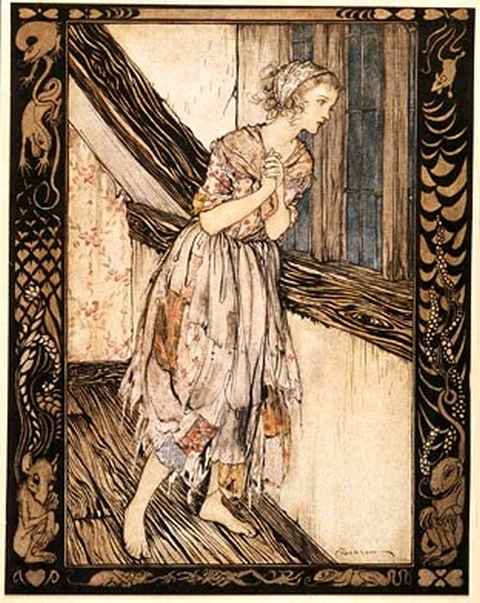
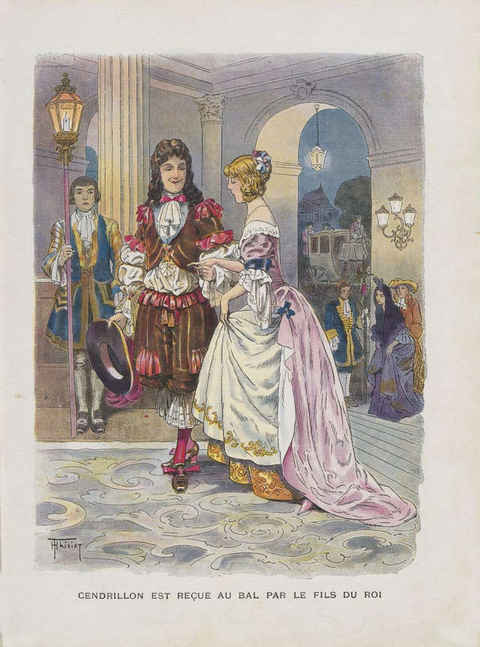
    Illustrations by Arthur Rackham and Henri Thiriet

    Fairy Helper

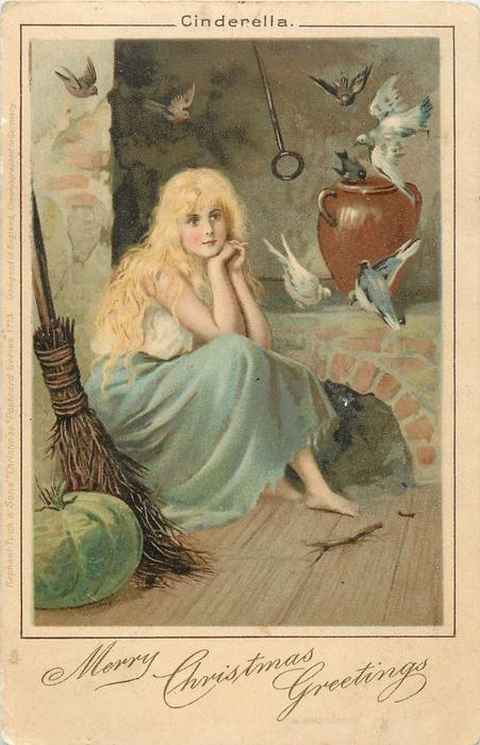
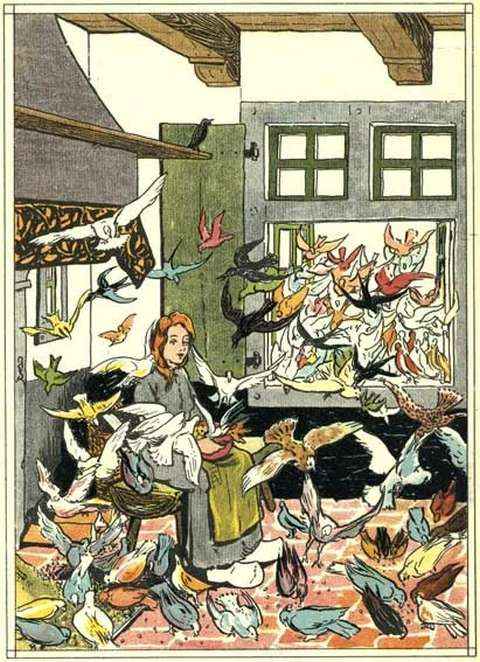
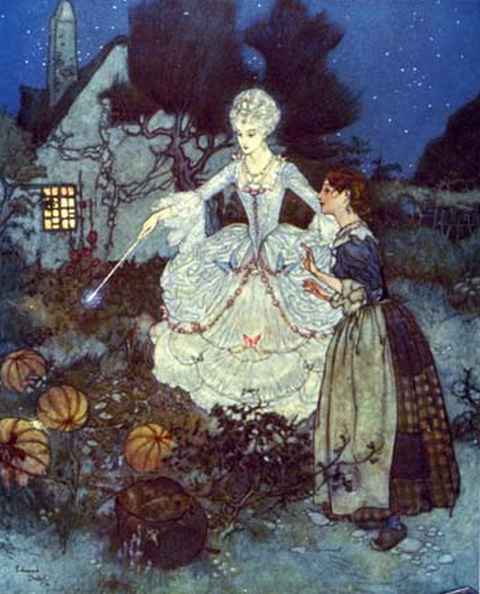
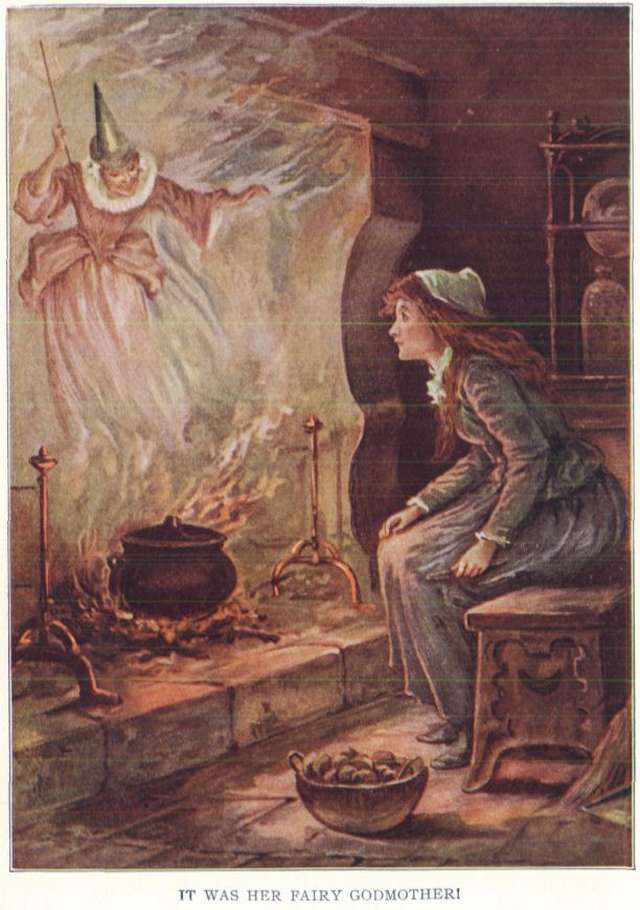
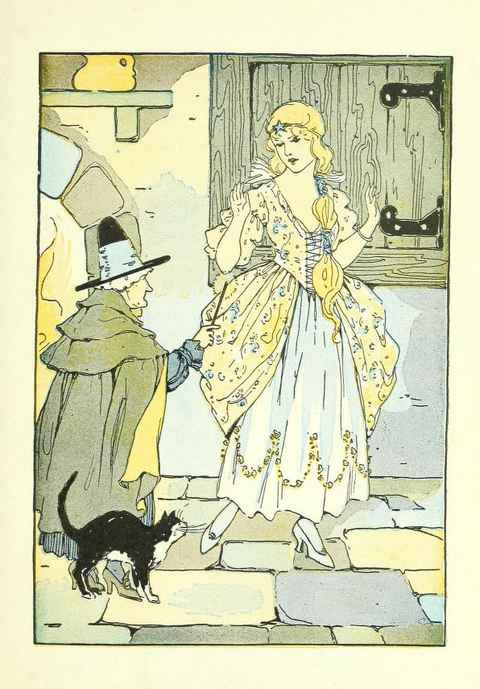
    Humans are social beings. Even Robinson Crusoe had company. Cinderella is no exception. She is alone and abused in her own home, where she doesn’t have a single ally. Kindness brings her helpers in the form of birds, but this is not enough. Then the fairy godmother (French version) or a magical tree (German version) brings her some valuable support. A splendid dress and a luxurious carriage will serve as necessary tools to enter the ball. There, she excels and wins the main prize – a marriage with a prince.

    Illustrations by Arthur Rackham and Edmund Dulac

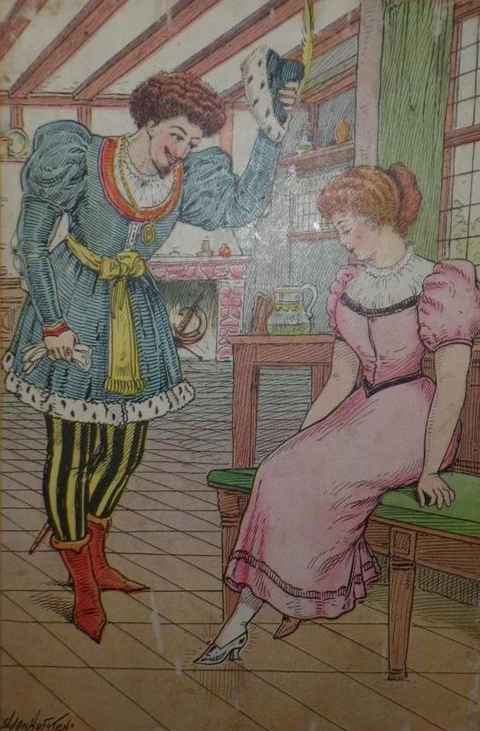
    We shall note that Cinderella doesn’t achieve her breakthrough alone. She had help. She will continue to have at least one ally – the prince. Even the prince has to earn his status. As a married man, he can become a king. He has to disclose her identity. This is not an easy task. He only had a lost slipper and has to try it on numerous girls before he finds the right one.

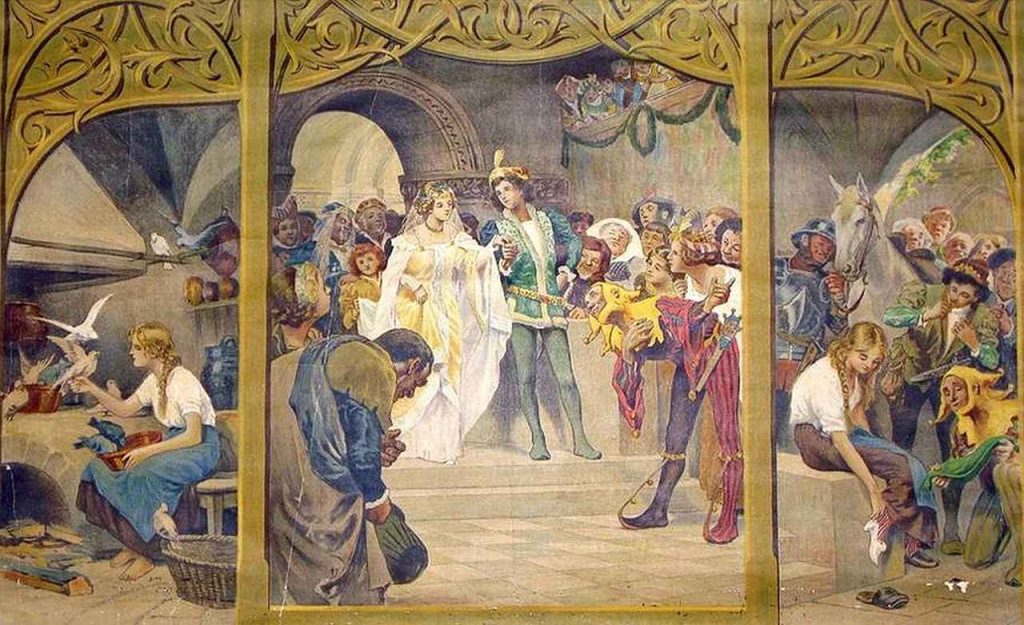
    Wall Painting by Paul Hey

    Revenge

    Cinderella is not a typical revenge tale. Although kindness is considered the sweetest revenge and success is considered the best revenge, different authors offered different solutions to her problems with her siblings. The most popular versions are almost diametrical. French Cinderella (Cendrillon) is forgiving, and she even finds appropriate husbands of noble origins for her wicked stepsisters. German Cinderella (Aschenputtel) ends with cruel punishment – both stepsisters end with mutilated feet and without eyes.

    Happy End

    Not all fairy tales end with happily ever after, but the majority of the most popular ones do. Her ending, in which she leaves all her bad experiences behind to start a new life with a prince as the personification of an ideal partner, has inspired generations of people on the verge of adolescence and adulthood. Two traditions and rituals are especially closely related to Cinderella. This is evident in the popularity of Cinderella themes for birthdays, especially Quinceaneras, and weddings.

    Illustrations by Sarah Noble Ives and Paul Hey

    Conclusion

    Cinderella is not so globally accepted for nothing. Its seemingly simple storyline addresses universal themes each of us can identify with. Everyone will feel like Cinderella at some point in their life. Knowing her story from an early age can be crucial to one’s perception of life.

    Yes, life is not fair. However, it’s up to us whether we see ourselves as victims or underdogs determined to win. If you’ve never read Cinderella to your children, do so as soon as it’s appropriate. If you already told it, do that again.

    Enjoy and share!
  • The History of Cinderella

    Cinderella – A Fairy Tale About the First Feminist?

    Cinderella is, according to numerous surveys, the most popular fairy tale in the world. There are officially hundreds of documented and classified versions, starting with a 3,000-year-old story about Rhodopis (Greek), a 1,200-year-old story about Ye Xian (Chinese), and a 500-year-old story about Cenerentola (Italian). Nevertheless, most people are familiar with Cendrillon, a French variation by Charles Perrault from the end of the 17th century, and Aschenputtel, a German variation by the Brothers Grimm from the beginning of the 19th century. Their differences are small, but they reveal how Cinderella reflects changing ideas about women and society.

    Aschenputtel by Ernst Erwin Oehme

    The secret of her success

    Cinderella’s story inspired many picture books, movies, theater plays, and computer games.

    While it is known in hundreds and hundreds of variants, from the best-known, with a carriage made of pumpkin and a pair of glass slippers, to bloody versions where Cinderella killed her stepmother and got away with it, they all share an important element: injustice.

    With such a wide spectrum of plots, we can’t begin any comparison without a few necessary simplifications.

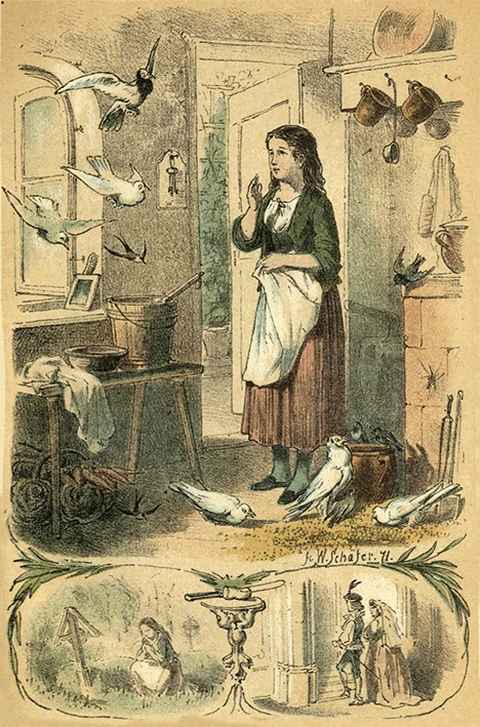
    Illustration by Wilhelm Schaefer

    The Case of Cendrillon, Aschenputtel, and Cinderella: How do fairy tales reflect the changing role of women in society?

    If we want to find the truth behind the success of the story of Cinderella, we have to start somewhere. Why not with two of the most popular literary versions?

    One was written by Charles Perrault in 1696, and the other by the Brothers Grimm in 1812. They are both based on La gatta Cenerentola by Giambattista Basile from 1634 and are similar, but when we dig into the details, we’ll find several surprising facts about Cinderella’s character, her role in our culture, and – probably most importantly – about our society.

    The main plot (summary) of Cinderella

    She lives with her stepmother and two stepsisters, and they treat her as a servant. When an opportunity shows in the form of a ball at the castle, Cinderella’s stepsisters can go, but she is not allowed to. With some magic help, she transforms into a noble lady of astonishing beauty, goes to dance, and charms the prince.

    Aschenputtel by Herman Vogel, Aschenbrodel by Carl Offterdinger, Cendrillon by Frederic Theodore Lix

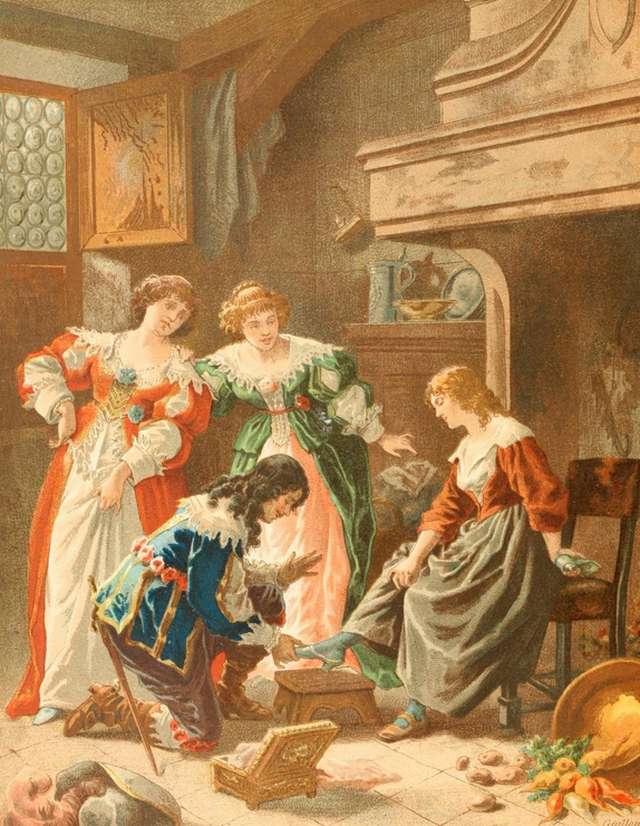
    He wants to learn more about her, but she escapes and loses a slipper, which ultimately helps him recognize his future wife in her humble position by the hearth, full of ashes.

    Basic differences

    We’ll look at Cendrillon (or Little Glass Slipper) by Charles Perrault and Aschenputtel by Jacob and Wilhelm Grimm.

    Illustration by Oliver Herford

    Charles Perrault:

    • We don’t know what happened to Cinderella’s mother.
    • We don’t know how her stepsisters look, but Perrault wrote that Cinderella looks a hundred times better, so they were probably not very attractive.
    • Cinderella doesn’t express a wish to go to the ball until the ball has already started.
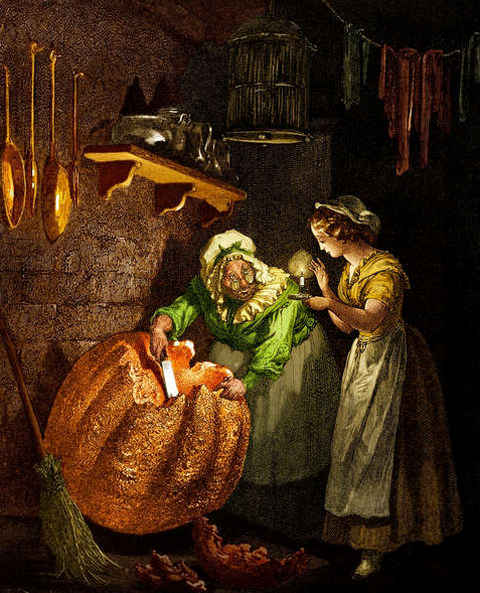
    • When her stepsisters leave the house, a fairy godmother shows up and performs all the known tricks with a pumpkin, rodents, and lizards.
    • The fairy changed her rags into beautiful clothes.
    • She gave her a pair of glass slippers.
    • She goes to the castle two evenings in a row.
    • After the second ball, Cinderella loses one of her slippers.
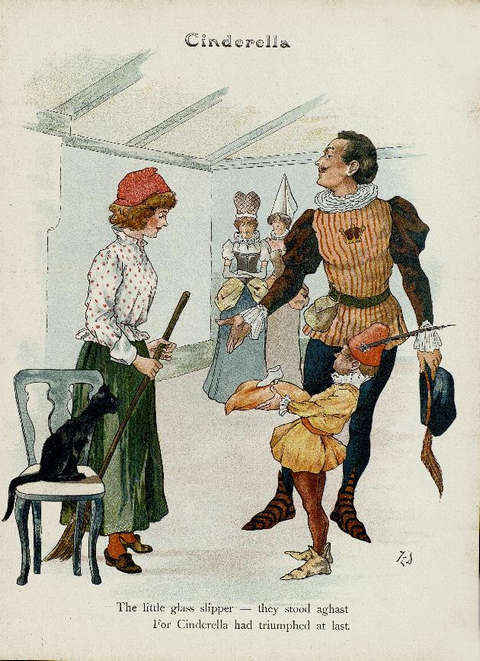
    • When the prince announces he’ll marry the girl who can put the slipper on, Cinderella’s stepsisters unsuccessfully try to squeeze a foot into a slipper. After that, she is also offered a trial.
    • Sisters apologize to Cinderella for their improper behavior; she forgives them, marries a prince, and finds two grooms for the stepsisters as well.

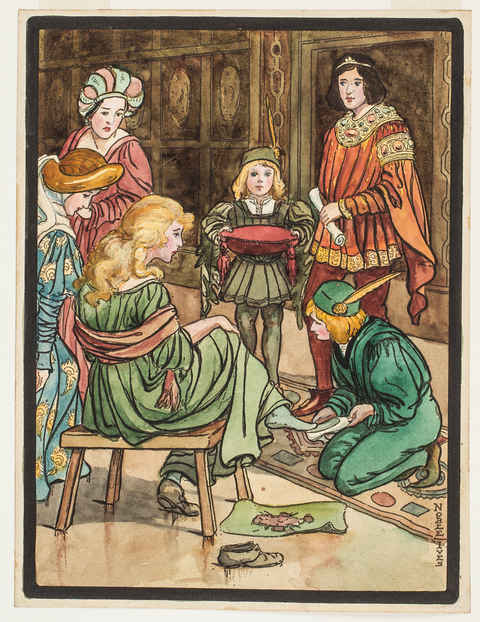
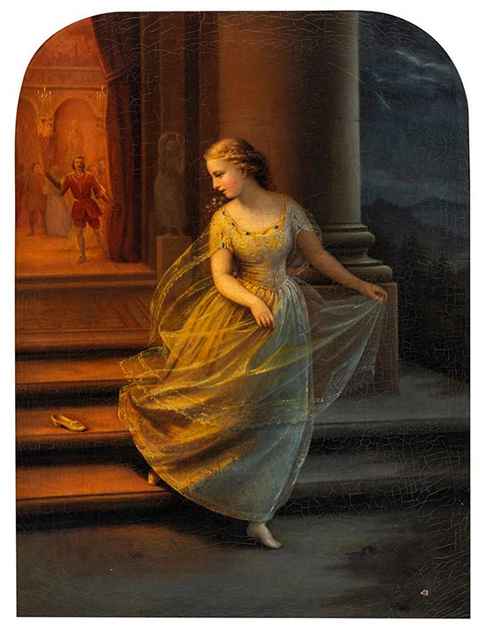
    Illustrations by Blanche Fisher Wright Laite (left), Anne Anderson (middle), and Hugo von Hofsten (right)

    The main distinctive elements are: fairy godmother, the glass slippers, and a happy ending.

    Illustration by Elenor Plaisted Abbott

    Jacob and Wilhelm Grimm

    • The story starts with her mother dying. Mother instructs her to plant a tree after her death and promises she will help her daughter even after death. (The version with gifts brought from father’s journey and sprig being rubbed against his hat was added later from Beauty and the Beast and is not originally by the Grimms’.)
    • When the father remarries, we are informed that both stepdaughters are beautiful but have nasty characters.
    • Cinderella mourns her mother under a tree, grown from a branch brought by her father, on her mother’s grave.
    • Stepmother and her two daughters are really mean to Cinderella (they call her Aschenputtel). They make fun of her, they take her clothes, and they give her meaningless tasks related to ash.
    • When the king announces the ball, Cinderella clearly says she wants to go too, but she can’t because she has no proper dress (no sorting of the peas from ashes in exchange for permission, sorry).
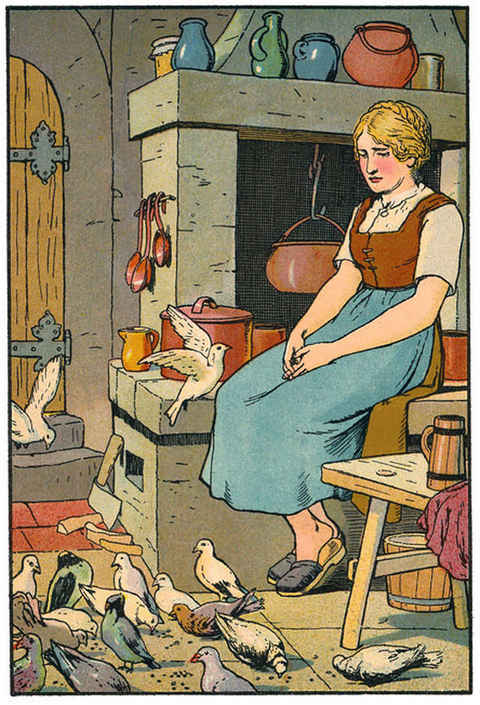
    • When her stepsisters leave, pigeons come and offer her help.
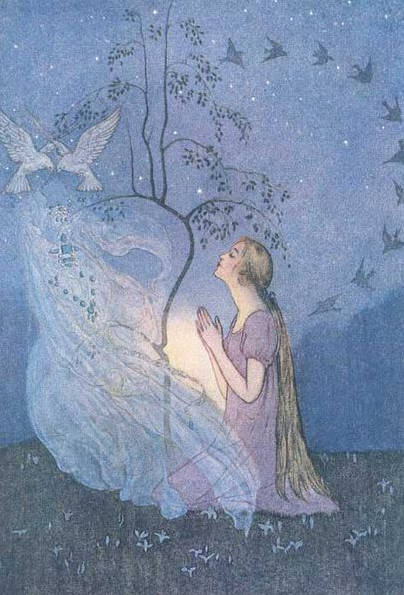
    • She gets a dress and shoes (golden) from the tree growing on her mother’s grave. This tree was watered by Cinderella’s tears.
    • She goes to the castle three evenings in a row, and she mocks her stepsisters when they return from the dance.
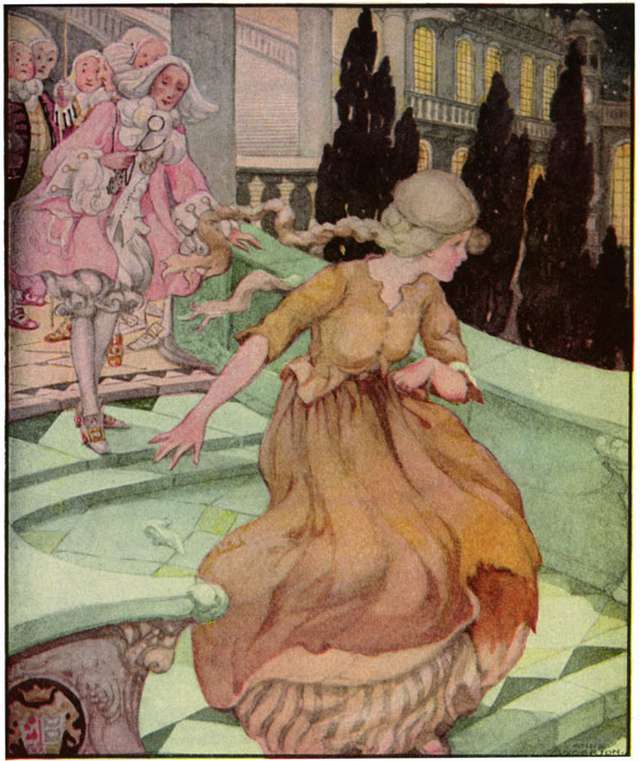
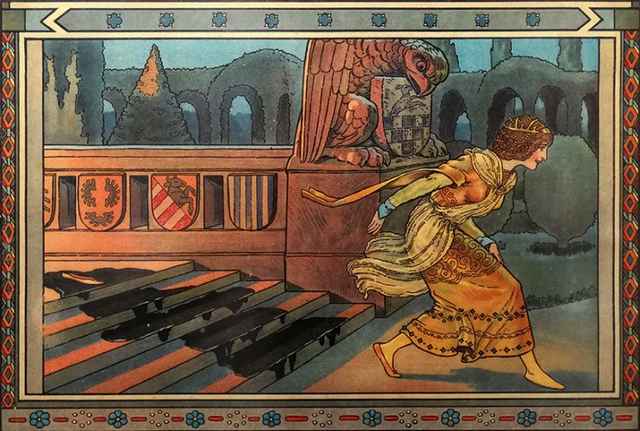
    • Prince decides to cover the stairs with a pitch on the third evening to prevent her escape, and she loses one of her shoes.
    • Search with a shoe becomes a bloody event when the first sister cuts the heel and the second the toe so the slipper would fit on.
    • Birds told the truth to the prince both times.
    • Prince finally finds the real owner.
    • When they marry, birds attack the stepsisters and peck their eyes (this punishment wasn’t in the first edition, but was added to the second and all later editions).

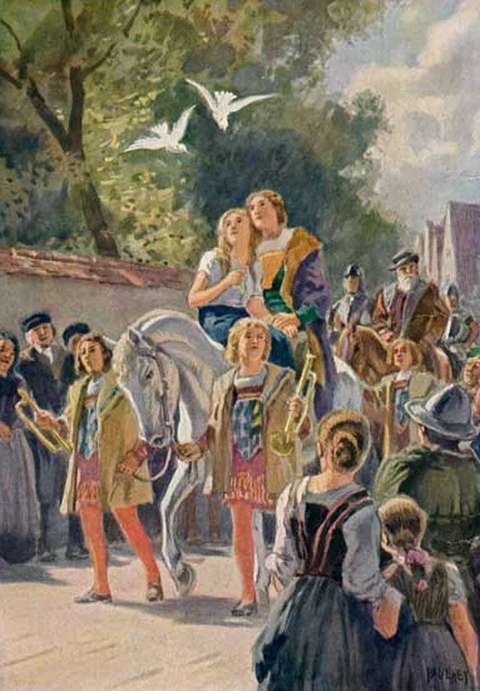
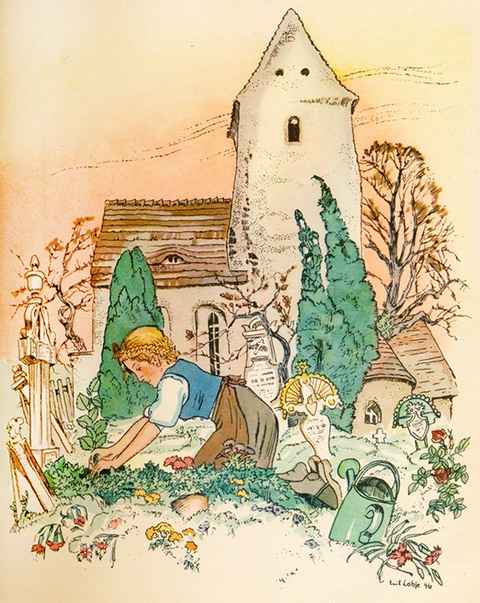
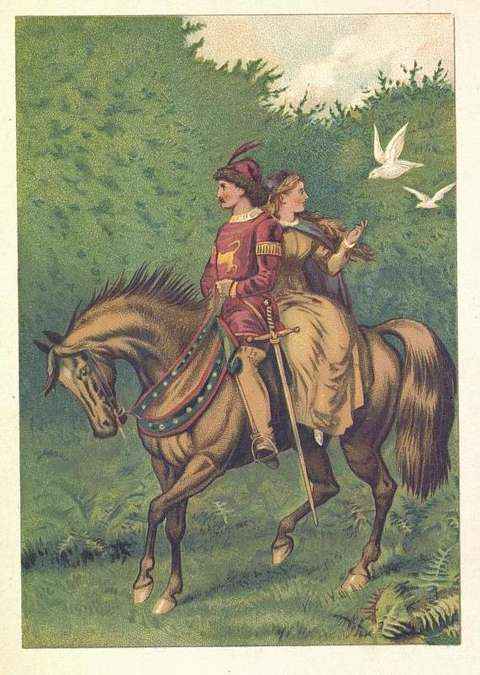
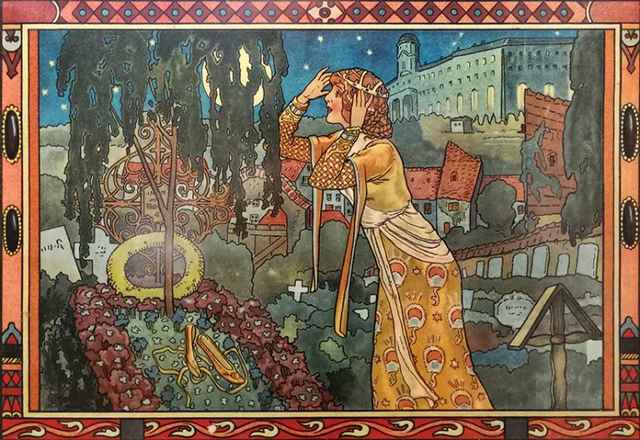
    Illustrations by Emil Lohse (left), Caroline Klauhold (middle), and Edward Henry Wehnert (right)

    The main distinctive elements are the magical tree, the golden slippers, and revenge at the end.

    Which variation of the story about Cinderella is better?

    Brothers Grimm, without doubt, wrote a better story.

    The motifs of all characters are much better explained, the main character is active, she fights for her right to go to the ball, and there is logic behind her helpers.

    The prince is quite active, too, and is making a concerted effort to win her over.

    The Brothers Grimm spent a great deal of time rewriting their fairy tales, which began as an idea to collect traditional German folktales. Aschenputtel was no exception. The part with the pigeons pecking the eyes of the evil stepsisters was one of their improvements according to their sense of justice.

    This gory detail was skipped in many versions after their death and is probably one of the reasons why the variation by the brothers Grimm never defeated Perrault’s in popularity, despite the fact that his other fairy tales, like Sleeping Beauty in the Woods, lost popularity contests against The Briar Rose, Little Thumb against Hans and Gretel, and Little Red Riding Hood against The Red Cap.

    Why is Cendrillon by Perrault more appealing to the audience? She is nice and beautiful, but she is also a perfect example of the passive damsel-in-distress stereotype that is so prevalent in fairy tales that some people try to remove them from library shelves.

    Why not Aschenputtel, who embodies hard work and the Calvinist values of the Brothers Grimm? Not only is she nice, beautiful, and persistent, but she also fights for her rights and has a sense of humor.

    Illustrations by Hanns Anker

    Position of women in society in the 17th and 19th centuries

    Charles Perrault was a smart guy who, of course, noticed changes in the French court during the reign of Louis XIV. While all important positions in the state were still reserved for men, the rising influence of the fair sex was obvious. Women of noble origin had more and more money. Many were well-educated and became quite powerful. They organized parties and invited whomever they wanted. Ladies, like Madame d’Aulnoy, were actually quite influential.

    If someone was skipped from the invitation list, their social standing suffered. Perrault, as a typical guy who climbed the ladder in civil services, didn’t like the idea of being dependent on the fads and mercy of the ladies. His fairy tales give a clear message.

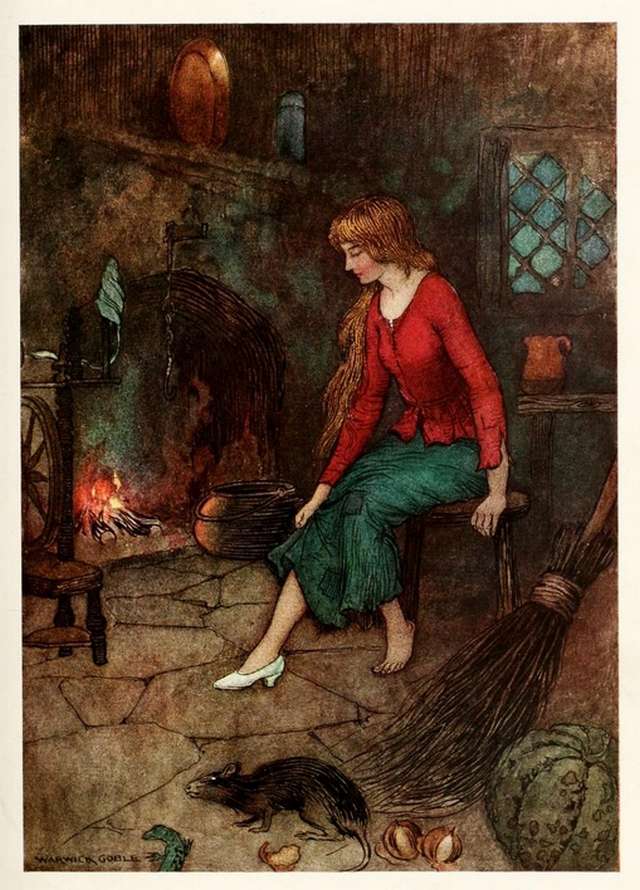
    Illustrations by Warwick Goble, Gustave Doré, and Thomas Edward Donnison

    A girl should be nice and pretty, but all important decisions should be made by men. His Cinderella is pushed around because she doesn’t have free will. Although she became a princess, it is clear she only changed one passive position for another.

    Brothers Grimm were smart as well. Changes in their time were different. Small countries joined together to form larger states with centralized governments. While the nobility remained untouchable in some areas of society, the real power was shifting to those with money.

    A new class of bourgeoisie emerged, and women (some of them, at least) began earning significant incomes. The situation in society was changing fast, and the Brothers Grimm realized this was inevitable.

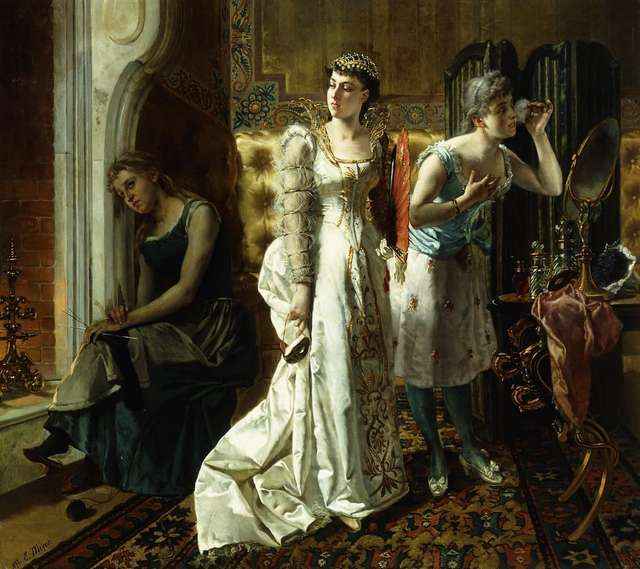
    Painting by Emile Meyer (left) and illustration by Gertrud Caspari (right)

    But they still believed in some traditional values. While in their opinion, the primary role of a woman should still be raising kids and taking care of the home, she should show much more initiative than ever before. The main character in Grimm’s adaptation of Cinderella is an active participant who defends her rights.

    Enters Disney!

    After World War 2 and a series of financial flops, Disney Company was on the edge of bankruptcy. When they decided to make a movie about Cinderella, they were not in a position to take any risks. They wanted as much profit as possible to pay out the debts and revive the company.

    They had many options when creating characters for the movie and explored many of them during the screenplay drafts, but ultimately used the most stereotypical ones. Family values in American society favored the passive role of women much more than they did in the time of the Brothers Grimm.

    Illustration by John Rea Neill

    In the 19th century, the bourgeoisie viewed children as an expense, so they preferred working women to the middle class of the post-war 20th century. The increase in population meant more women stayed home and “produced” babies, who soon became the driving force of modern consumerism. society.

    Disney’s Cinderella is a nice, beautiful, and passive lady without real ambition and becomes a model for every modern princess, also known as the Daddy’s Girl. While women eventually gained more power in society, many girls still grow up in the expectation of finding their Prince Charming, who will take care of everything. They are not willing to invest too much in the search, because they are: good-looking, elegant, and friendly (at least to animals) – just like Cinderella!

    One more thing: this fairy tale is also one of the most popular (and influential) stories among boys, too!

    Additional info

    All presented images were created by artists who died at least 70 years ago and published before 1923. This makes them public domain in the European Union and the United States of America.

  • Brothers Grimm

    Brothers Grimm

    The Grimm Brothers – Facts You Probably Don’t Know

    Jakob and Wilhelm Grimm are famous for their collection of fairy tales. It was first published in 1812 as Children’s and Household Tales and went through seven editions during its lifetime. Today, it’s by far the best-known book with fairy tales featuring Rumpelstiltskin, Hansel and Gretel, The Town Musicians of Bremen, and many other classic works for children.

    King of the Golen Mountain by Max Teschemacher

    Despite the worldwide popularity of the Brothers Grimm, most people don’t know much about their lives and works. This article will address numerous misconceptions, so you will be better informed and able to use your newly acquired knowledge to your full advantage. Let’s dive into their magical world!

    Harsh Life, Hard Work

    Jakob and Wilhelm were born to a jurist with a well-established business and a mother who was the daughter of a city councilman. They were the oldest surviving sons in a family with eight boys and a girl. Three of their brothers died before they reached the age of two. Kids were schooled at home by private tutors and lived happily until their father died of pneumonia.

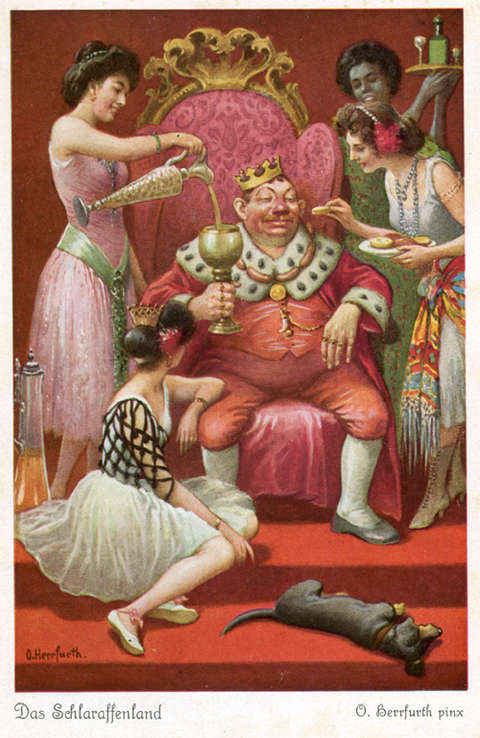
    The Land of Plenty, postcard by Oskar Herrfurth

    This led to significant financial hardship for the family. They suddenly became poor and lost their large home and servants. They then had to rely on their mother’s family for financial support. When a year later the grandfather died as well, the brothers had to leave the rest of the family and move to Kassel. They enrolled in a gymnasium, paid for by their aunt.

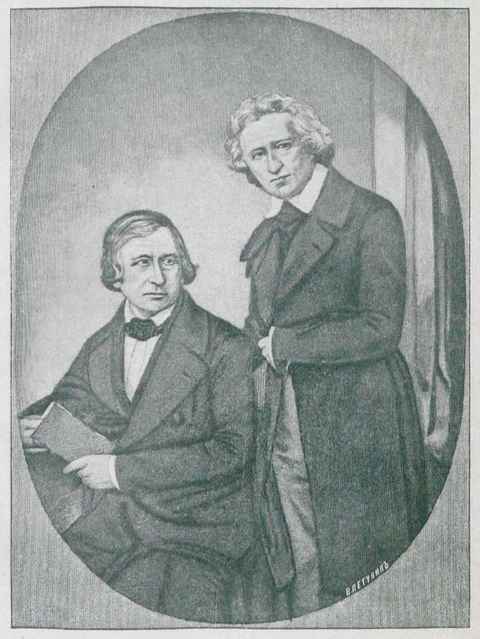
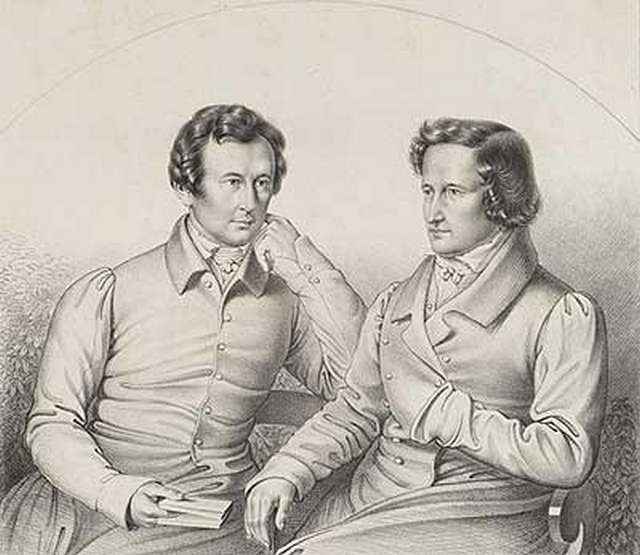
    Portraits of Jakob and Wilhelm Grimm

    After that, they slowly built their positions with hard work and renunciation, taking responsibility for other family members, including their brother Ludwig, who became a painter and made the first illustrations for their most famous book.

    The pattern of riches-to-rags-to-riches appears in more than half of their stories for children, but it is not the only pattern.

    Injustice

    Fairy tales by the Grimm Brothers are characterized by another recognizable element: the pattern of injustice. They experienced it from an early age. It followed them for the rest of their lives. Let’s highlight a few examples:

    • Father dies, and the young children have to take the responsibility of adults.
    • Despite hard work and top achievements (they both graduated as the best in the class), they couldn’t get scholarships because they belonged to a lower social class. Instead, they had to find jobs. Jacob abandoned his studies to work as an assistant in Paris and earn enough money to feed his family.

    Cinderella (Aschenputtel) by Georg Albert Strodel

    • Both brothers became librarians at the King of Westfalia, where they were overlooked when the post of the chief librarian was available.
    • They became professors in Gottingen but lost their jobs and income during political unrest.

    Absent Father, Large Families, and Sacrifice

    For most of his life, Jacob was responsible for other family members. He also helped Wilhelm, who suffered from poor health, missed a year of school due to scarlet fever, and had to visit a sanatorium to heal his heart and respiratory conditions. Sacrifice is another pattern in their fairy tales. Another characteristic is the presence of a family with many boys and a single girl. This is just like the Grimm family.

    We can find six brothers and a daughter in Six Swans, seven brothers and a daughter in Seven Ravens, and Snow White, who takes care of seven dwarfs. The theme of sacrifice appears in dozens of other fairy tales from their collection, but all of them share almost the same trigger: an absent father.

    Seven Swans by Willy Juttner

    The death of Jakob’s and Wilhelm’s father undoubtedly marked their lives. It’s no coincidence that so many of their fairy tales start with one of the following situations:

    • The King dies, and his immature children are forced to find a way to survive in an unhospitable world.
    • A poor family is suffering from hunger with an incompetent father and cruel mother (in most cases, replaced by a stepmother).
    • Mother dies, father remarries and gets out of the picture so the new wife can take control of the household, favoring her children from before and humiliating her stepchildren.
    • Kids are so poor they have to leave their homes and look for any kind of job to put some food on their plates.

    All Kinds of Fur by Rudolf Geissler

    But wait! Didn’t the brothers Grimm collect the tales from folk tradition? Aren’t those patterns just coincidental with their life experiences?

    Closer to Writers than Collectors

    Jakob and Wilhelm Grimm began collecting fairy tales, fables, and other similar stories at the suggestion of Clemens Brentano. Brentano believed in a united Germany, which, at the beginning of the nineteenth century, was divided into approximately 200 kingdoms, counties, cities with special status, and other entities. Brothers Grimm shared Bretano’s views on the situation. They were pretty confident that the Germans could live in a stronger, more centralized state if they recognized their shared history and language. This could be achieved through shared myths and stories.

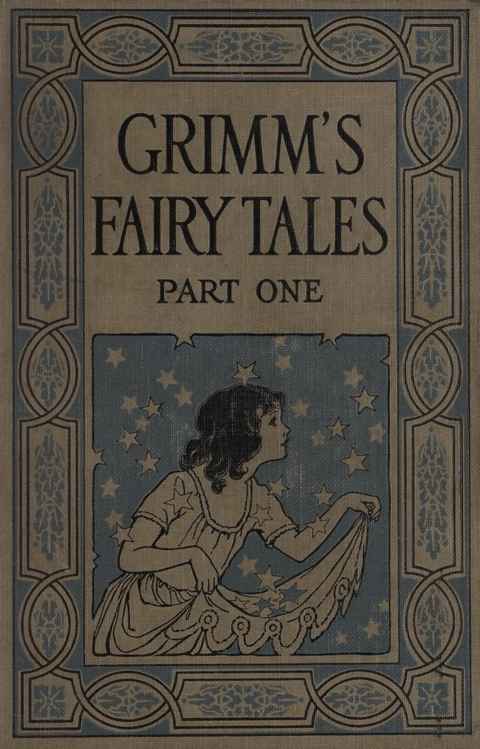
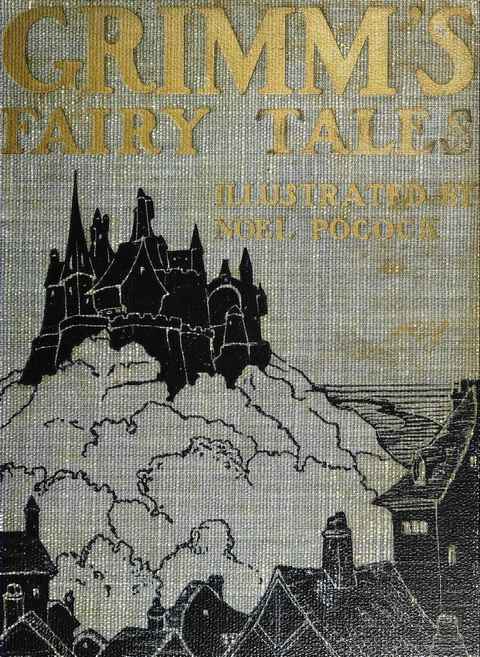
    Vintage book covers of Grimms’ Fairy Tales by Blanche Fisher Laite (left) and Noel Pocock (right)

    Jakob and Wilhelm started collecting both. But they were not traveling across the country looking for old storytellers, as many believe. They didn’t have the financial resources to do that, and they also wanted to accomplish as much as possible in the shortest time possible. Instead of working on the terrain, they preferred to talk to people from the neighborhood. In this manner, they collected dozens of fairy tales from their neighbors. One of these neighbors was Henriette Dorothea Dortchen Wild, who later became Wilhelm’s wife and the mother of their four children. They didn’t know that the fairy tales they were writing had often been published many years before they were born. These tales did not belong to the German tradition (most had already been printed in Basile’s Pentamerone), nor were they written by unknown authors. Many were written by well-known authors like Hans Christian Andersen.

    The brothers also didn’t care about the suitability of their collection for children because they were targeting academic circles. After publishing, a few people suggested softening or excluding some of the stories from the collection because they have tremendous potential to teach important lessons to children.

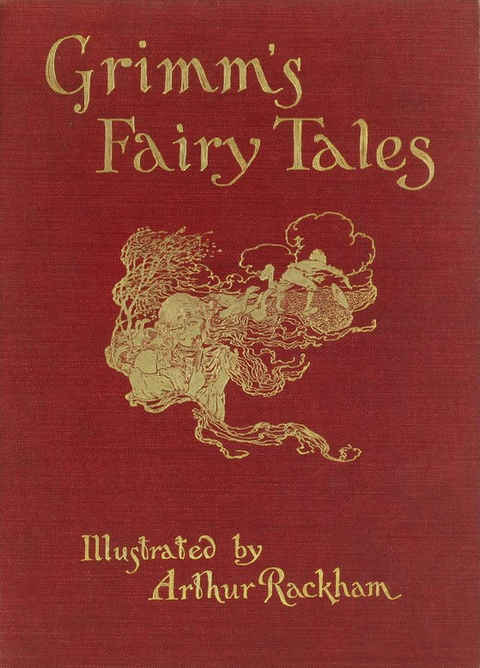
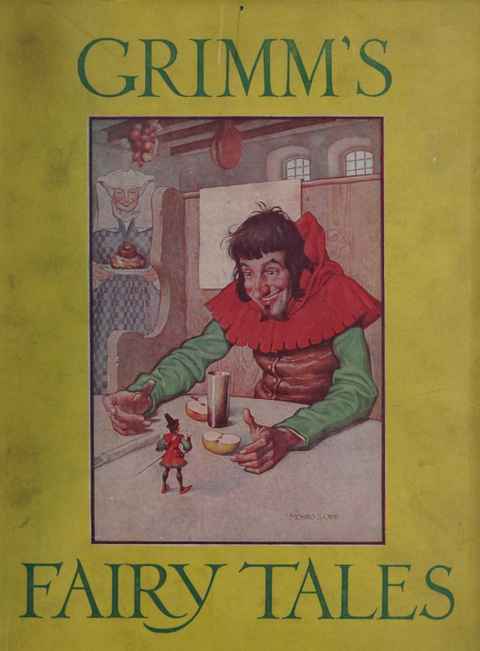
    Vintage book covers of Grimms’ Fairy Tales by Arthur Rackham (left) and Monro Scott Orr (right)

    So Wilhelm rewrote most fairy tales to make them appropriate for kids. He added aesthetic descriptions, deleted allusions to sexual activities, but never really bothered with violence. In Sleeping Beauty, he even added the part with princes dying on thorns while trying to rescue the sleeping princess.

    The Brothers Grimm’s collection was not an immediate commercial success. In fact, they had serious problems convincing the publisher of the second edition. Their contemporary Ludwig Bechstein, who published a very similar collection with numerous fairy tales with the same titles and plots but written more tailored to the audience of the time, was considerably more successful.

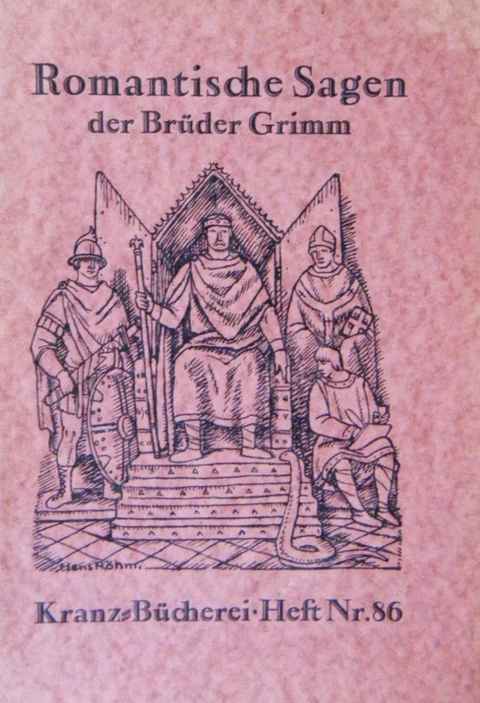
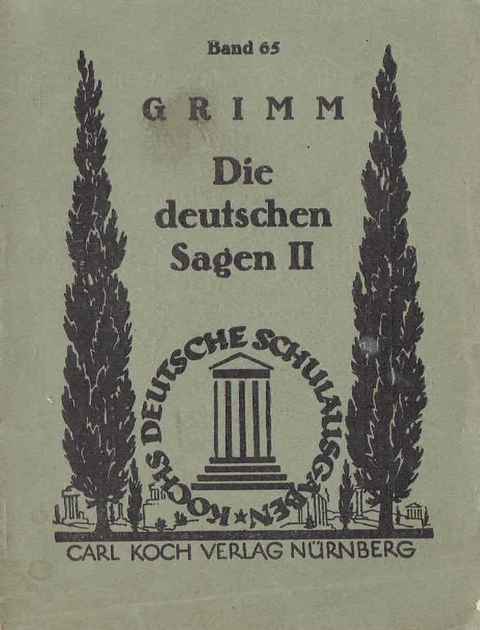
    Vintage book covers of various myths and legends by the Grimm Brothers

    Anyway, today we can say that Jakob and Wilhelm made a much bigger impact. They were awarded several honorary doctorates for their writing. Apart from fairy tales, they published myths, sagas, and the first volumes of the German dictionary.

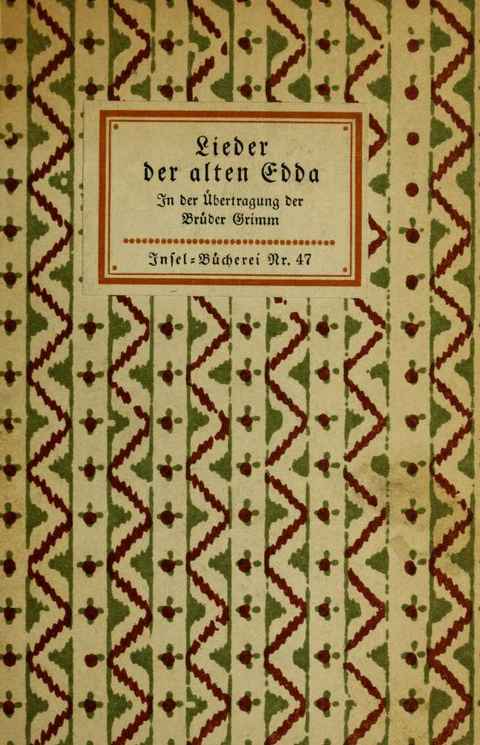
    More vintage book covers by Jakob and Wilhelm Grimm

    Their fairy tales became a part of the school curriculum and were heavily abused during both world wars while German nationalism was on the rise. They were translated into all major languages, although often adapted and censored. Now, it is regarded as the second most influential book in the Western Hemisphere after the Bible. The collection made its way into popular media.

    • Did you know that in computer science, the term “breadcrumbs” refers to user interface elements such as internal links on websites? The term comes from the story of Hansel and Gretel.
    • Did you know that modern medicine uses terms such as the Cinderella complex and the Sleeping Beauty syndrome, both of which are taken from the Grimm’s fairy tales?

    While many modern parents don’t read Grimm’s Fairy Tales to their children because they believe they are too violent, a growing number of experts in children’s psychology believe exactly the opposite – they provide a perfect opportunity to learn about the injustice and cruelty of the real world in the safe environment of their parents’ laps. On condition, of course, they are presented at the right time in the right way.

    But this is a theme for another debate.

    If you find this article useful, please share it with your friends and followers.

  • Town Musicians of Bremen – a fairy tale with important message

    Town Musicians of Bremen – a fairy tale with important message

    Bremen Town Musicians – a classic story with invaluable lessons

    The timeless messages of the classic fairy tale, The Town Musicians of Bremen, by the Grimm Brothers, have stood the test of time. It’s a story about respect, cooperation, and bravery.

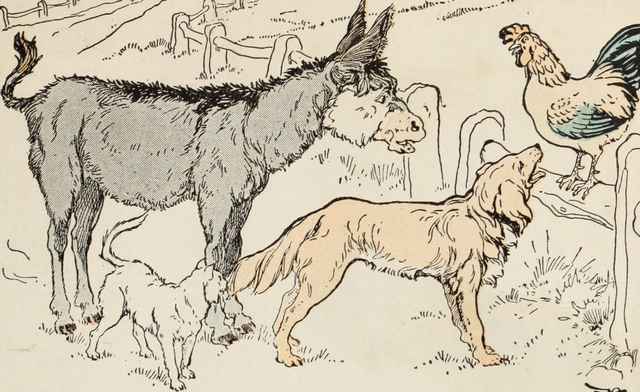
    Illustrations by Leonard Leslie Brooke (left), and Harry Rountree (right)

    This fairy tale is a bit different than most classic stories for kids. It has animals in the main roles, and all the people in the story are presented in a bad light. Of course, we need to understand the narrative approach – animals are just examples of individuals who have lost their positions in society and are trying to find a new meaning in the slowly but surely approaching ends of their lives.

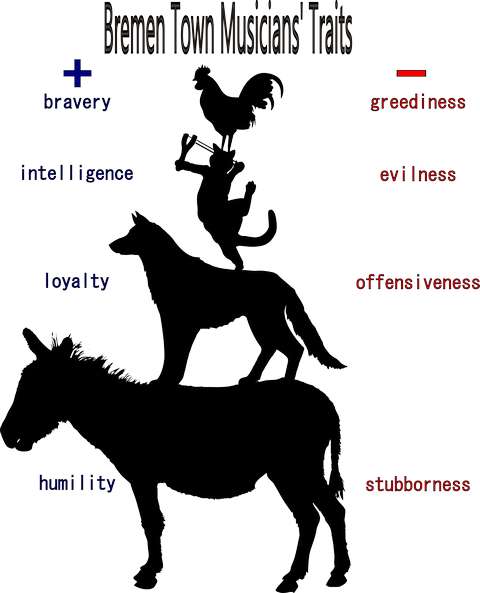
    All the chosen animals also carry rich symbolism, so we can perceive them as characteristics, functions, or traits in a dramatic expression of social conditions. To make them more relatable, they picked animals that most of us are familiar with. This makes them feel more at home. There are dozens of similar stories with different numbers, sometimes up to six animals, but all of them always belong to livestock and poultry. A bull, a duck, or a sheep are just a few examples. All of them can also be associated with positive and negative traits that give depth and humanity to the characters.

    Different versions of this story are found in the folklore of many countries all over the world, from Norway to South Africa. In these cases, Bremen can be replaced with another fictional or real location, or left unspecified.

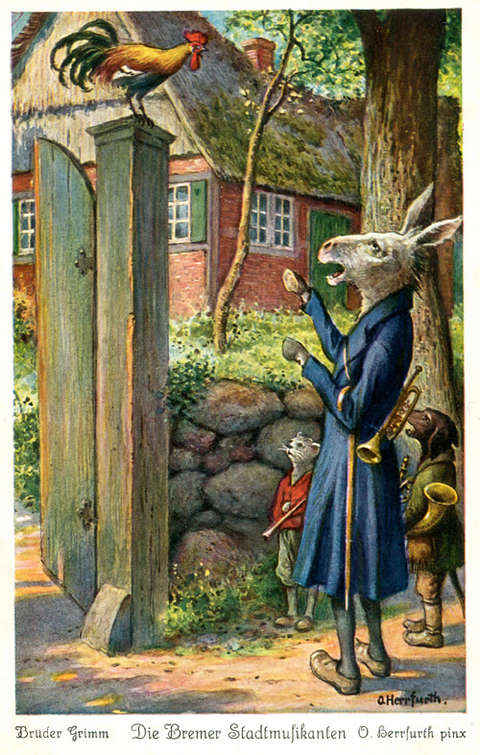
    Illustration by Paula Ebner (left) and postcard by Oskar Herrfurth (right)

    Such a scholarly approach is even more understandable if we know the circumstances in which this story was written. Let’s explore a few interesting facts about the Bremen Town Musicians and try to learn a lesson or two by the way.

    Short Summary of Bremen Town Musicians

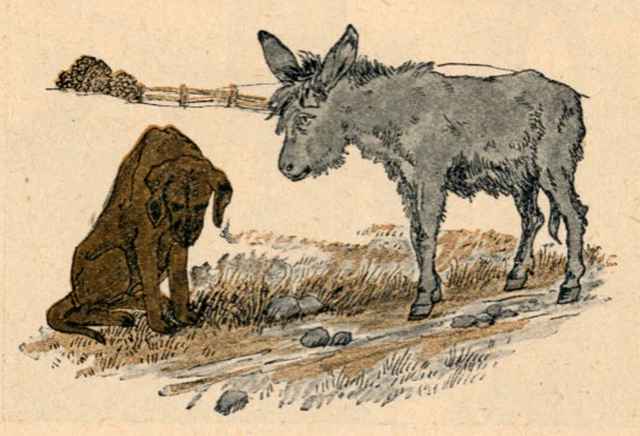
    A donkey becomes old, slow, and weak. He realizes his master will get rid of him, so he leaves him and goes toward Bremen, where he plans to become a town musician. On his way, he meets a dog with a very similar perspective, and the animals join their forces.

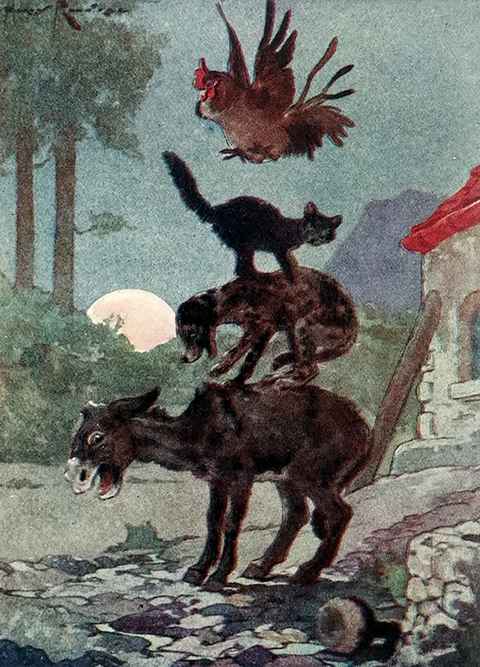
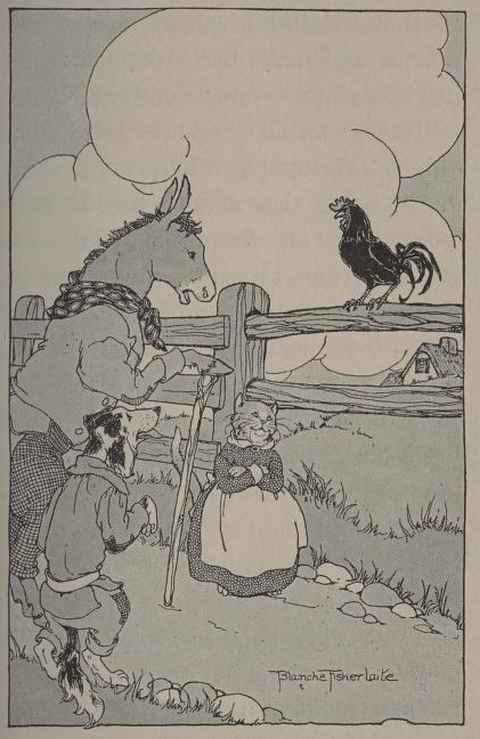
    Illustrations by Frederick Richardson (left) and Blanche Fisher Wright Laite (right)

    Before the end of the day, a cat and a rooster become members of the group as well.

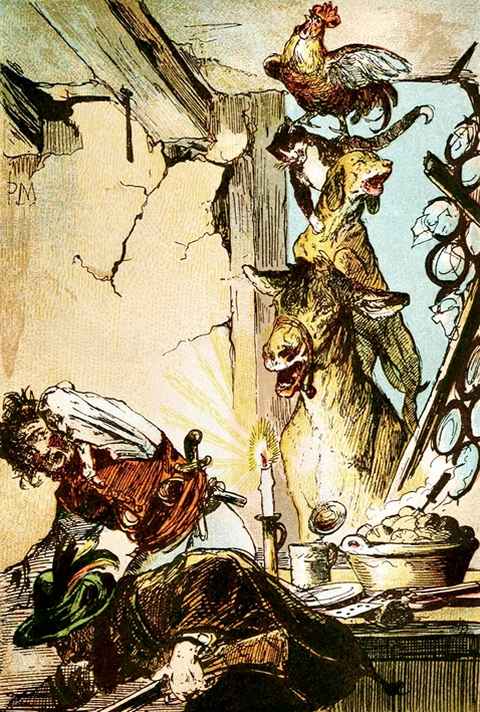
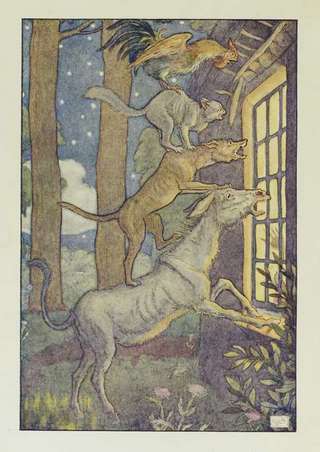
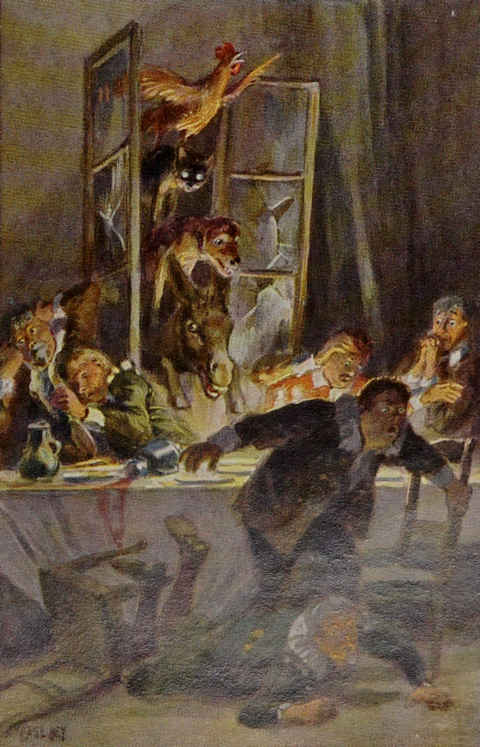
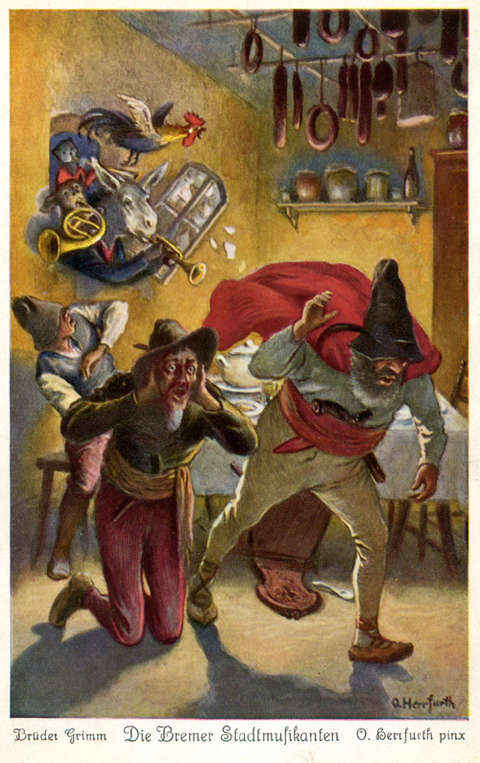
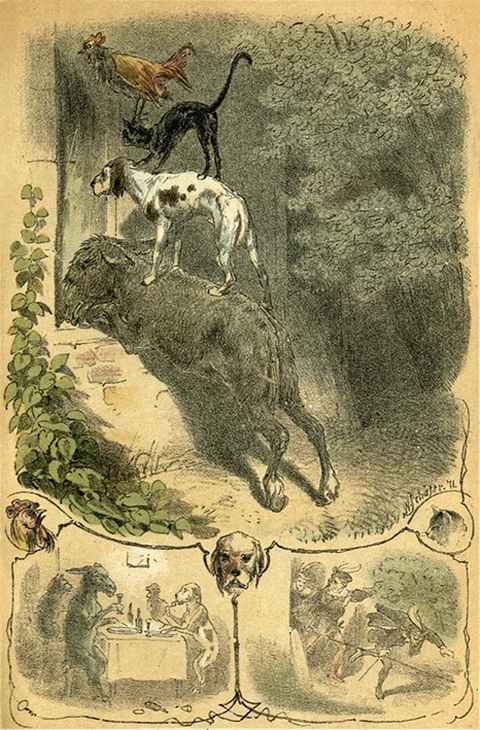
    Night comes before they reach Bremen, so they try to find shelter in the woods. There, they see a hut with a few robbers inside. They have their loot and a lot of food on the table. Animals make some kind of pyramid and look like some kind of monster. They scare the robbers out of the hut.

    Illustratons by Paul Hey (left), Paul Friedrich Meyerheim (middle), and postcard by Oskar Herrfurth (right)

    They enjoy food, and each one of them finds a place to sleep.

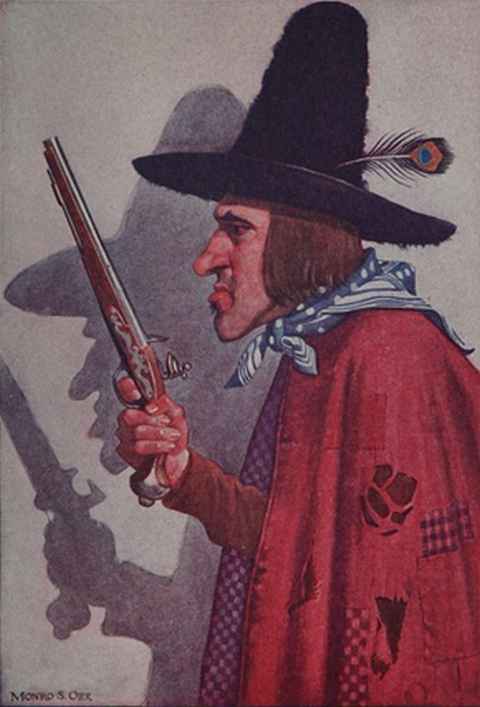
    Illustrations by Monro Scott Orr (left) and Paula Ebner (right)

    Later, one of the robbers comes back. It’s dark, so he tries to make a fire in the heath. But there is the cat who jumps into his face, hissing and scratching. The robber escapes through the doors, but the dog that lies behind bites him. In the yard, a donkey kicks him, and for the grand finale, a rooster comes at him from the roof.

    Postcard by Felix Elsner (left) and illustration by Wilhelm Schaefer (right)

    When the robber returns to his gang, he explains that different monsters attacked him. Others, seeing his wounds, decide never to return there. The Town Musicians of Bremen stayed there and enjoyed their lives without ever reaching Bremen.

    Why Bremen?

    Most fairy tales don’t say exactly where they take place, but this one tells us that animals go to Bremen. Bremen has been around for over 1200 years and has managed to stay pretty independent for most of that time. It was one of the few cities where an ordinary man had more chances to prosper than in others. For a long time, it was one of the main ports for Europeans, particularly Germans, heading to America in search of a better life. It’s still the capital of the German state, the Free Hanseatic City of Bremen, made up of just two cities: Bremen and Bremerhaven.

    It’s very likely that the donkey in the story opted for Bremen because of its image of the place, where you can get a second chance. Or more chances than in other places. Or, any chance at all. Choosing a musical career is not surprising as well. In medieval Europe, traveling musical bands with animals playing simple instruments were quite popular, and Bremen is a town with a long tradition of festivals and similar events.

    Is this story so different than other classic fairy tales?

    At first glance, the Grimm Brothers’ The Bremen Town Musicians looks quite different. Yet it’s still a story where one (or more) characters try to improve their life. Finding partners, finding treasures, and improving social status are major goals of all the best stories, and this one is no exception. Members of this unusual group leave their homes (the standard beginning of countless fairy tales), find partners (in this case, friends, not spouses), and earn a fortune (the robbers’ hut is full of food and stolen stuff).

    Like in all great stories, the protagonists had to conquer mighty opponents and break at least some rules. In this scenario, they have the opportunity to escape the constraints imposed by society’s expectations (in this case, facing a certain death) and defeat a group of robbers. The robbers are stronger and armed, but the animals are smart and work as a team. Cunningness defeats brute force again. There are no kings or queens in this tale, but the animals clearly conquer their very own kingdom where they intend to live happily ever after.

    To make our case even more convincing, let’s borrow, for instance, an observation from Maria Tatar, who noticed that all four animals tested their possible places for sleeping just like Snow White or Goldilocks checked several beds before choosing one for resting.

    The story of second chances

    We can explain the popularity of the Bremen Town Musicians in different contexts. One of them is definitely the critical view of a capitalist society in which people are valued only for their usefulness. When the donkey can’t carry as much burden as before, it’s best to make glue of it. Metaphorically speaking, we can clearly see an aging human in him.

    Yes, we can say that everybody’s time is up one day, but the donkey refuses this simplistic approach. He is willing to pursue a second chance and at least try to do something else. If he can’t pull the cart, he might play a lute. While we may see him as a rebel at first, we soon learn he is not alone, which brings us to another valuable lesson. Animals can act as a group. They join their abilities to chase away the robbers and find a place to live. Robbers, on the other hand, take an ‘everybody for himself’ approach and lose everything.

    Illustrations by Leonard Leslie Brooke

    One obvious message of the fairy tale is that teamwork triumphs over selfishness. Another is probably the importance of maintaining optimism and focusing on the future.

    All used images are in the Public Domain or used by permission of the author.

    When you face trouble, do you try to see it as a challenge and an opportunity?