The story of Cinderella offers a wide array of literary themes and motifs. We will present only a fraction of the possibilities.
Cinderella is probably the most popular fairy tale in the world. It is known in more than one thousand documented versions and variations. (We covered the impressive Cinderella’s history in a separate article.) One of the reasons for its success is probably the simplicity of the plot with the riches-to-rags-to-riches scheme. Another important reason is the high number of themes and motifs. Many of them are so universal that almost anybody could identify with the title character and her situation.
These themes are what make Cinderella a classic. We will present them with examples and draw comparisons with other well-known fairy tales. Then, we will provide a few ways to apply the story’s lessons to real-life situations.
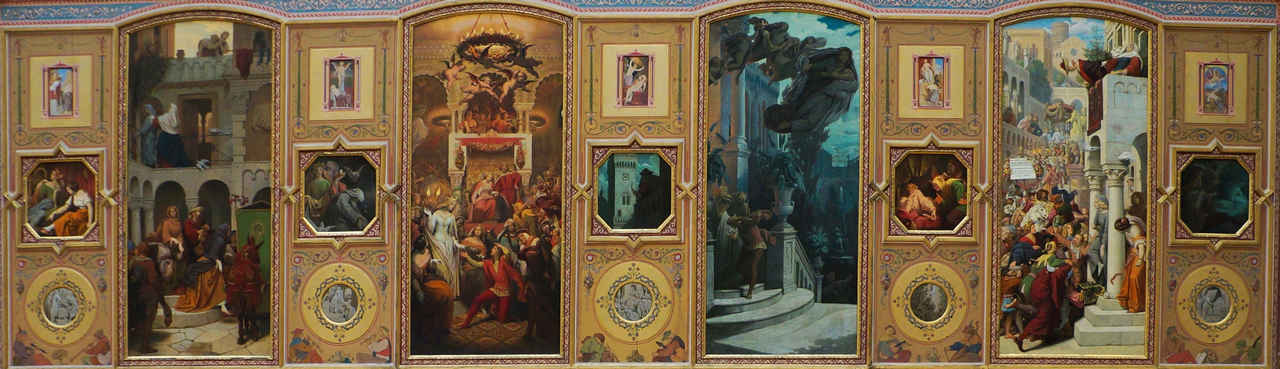
Artwork by Moritz von Schwind
Absent Father
Absent father is one of the most common themes in literature, especially in fairy tales. The reason is simple. Many fathers are not there for their kids when they need them. Think about Red Riding Hood, Goose Girl, Briar Rose, and many others. The reasons for the absence (physical, emotional, intellectual, …) are so many we could write a series of books. The story of Cinderella uses the absence of her father, who seemingly remarries just to make her life harder, to initiate a major change. It’s time to grow up. Growing up means taking responsibility. Break some eggs to make an omelet. When Cinderella’s father can no longer protect her, change is inevitable. In her case, things turn worse before they can improve.
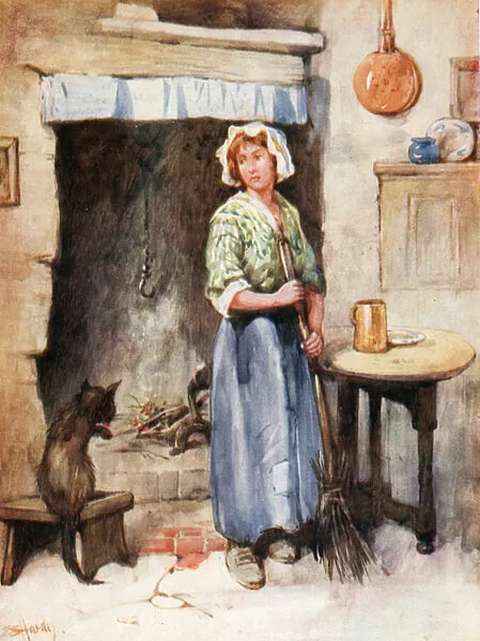
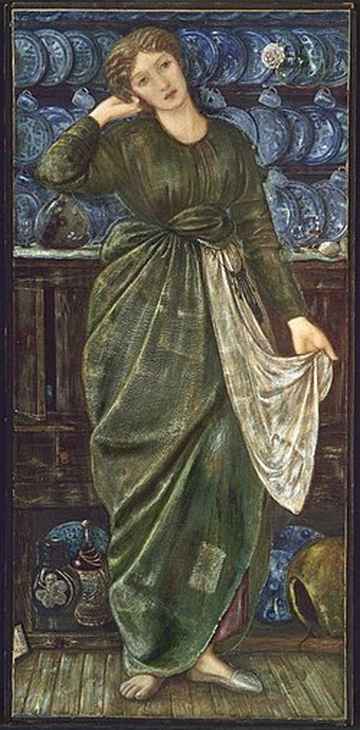
Illustration by Evelyn Stuart Hardy and painting by Edward Burne-Jones
The Plot
There are two basic plots in all stories in the world: rags-to-riches (an example is Puss in Boots, with the main character who starts at the bottom and climbs up) and riches-to-rags-to-riches (an example is Cinderella, where the main character starts in a good position, loses it, and then climbs even higher). We can argue that rags-to-riches is just a variation of riches-to-rags-to-riches with a later start of narration, when the main character is already down.
Climbing up the social ladder / Marrying Up
Cinderella is not born in the worst possible conditions. Depending on the version, she can be perceived even as a princess. Yet her status degrades fast when her mother dies, and her father remarries a woman who already has two daughters. Cinderella falls to the bottom of the social ladder when she starts working as a maid and sleeping at the hearth. These changes eventually force her to look for an alternative, which, in her case, shows in the form of the ball at the castle and the possibility of marrying the prince.
Marrying up is a popular theme in fairy tales. Giambattista Basile most likely created it as a way to entertain the nobility by presenting them with the completely unimaginable. However, the audience perceived it differently, especially when fairy tales were introduced to all social classes.
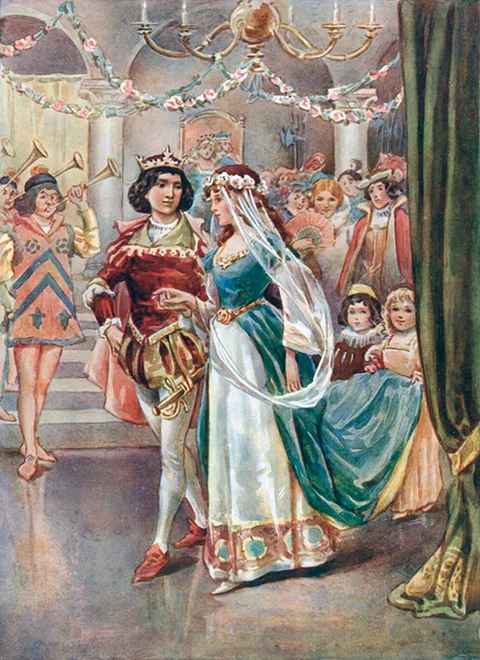
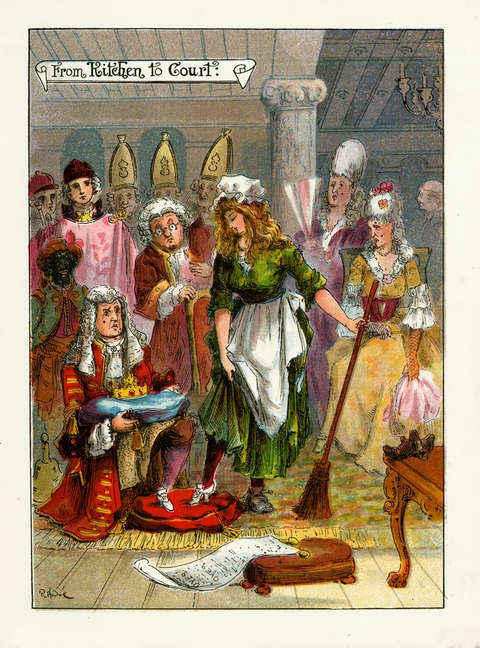
Illustrations by William Henry Margetson and Richard Andre
Siblings Rivalry
Everyone with a brother or sister can identify with the rivalry that often arises between siblings. Kids demand attention from their parents. Some parents deal with their competitive kids better or worse, but none of them is perfect. In some cases, some children will inevitably be favored over others, which will make some feel unjustly treated. Although Cinderella is an extreme example, everyone can relate to her in some way. Even people without siblings experience similar injustices, which makes Cinderella so relatable to the wide audience.
The story of Cinderella offers a solution: patience, waiting for the opportunity, and leaving the toxic home environment to find a better place to live where she can realize her potential.
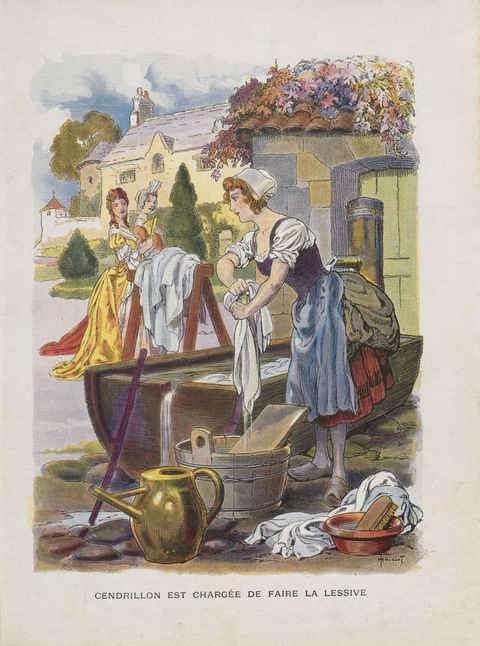
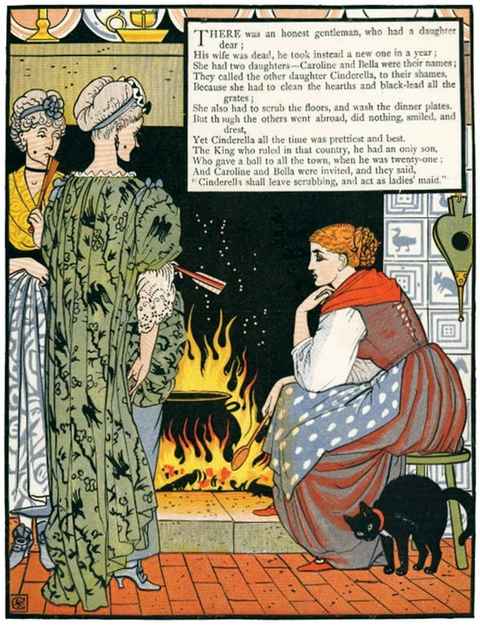
Illustrations by Henri Thiriet and Walter Crane
Broken Promise
The importance of a given word (after all, the Grimm Brothers were educated as lawyers) is often used as a theme in fairy tales, especially since they became considered educational material for children. In real life, the given word is supported by contracts, lawyers, and judges. Fairy tales and other literature provide a foundation for moral values accepted by society.
When Cinderella solves an impossible task, but her stepmother still doesn’t let her leave home for the ball, we clearly see that the girl shall find an alternative way of solving her situation. The decision to participate in the ball is understandable and justified.
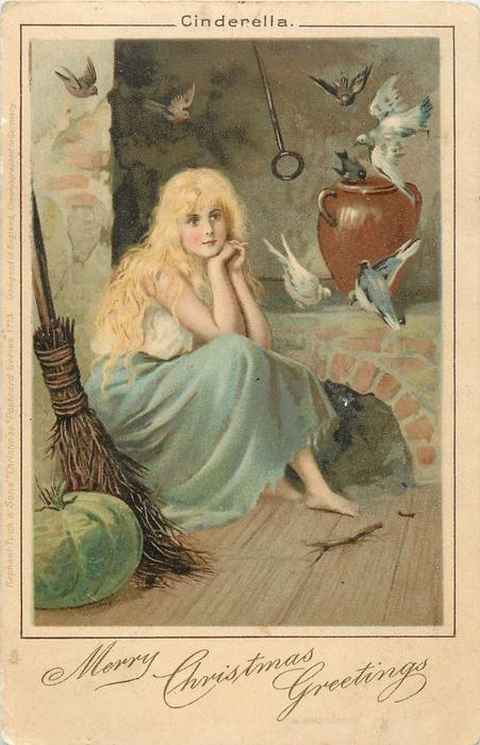
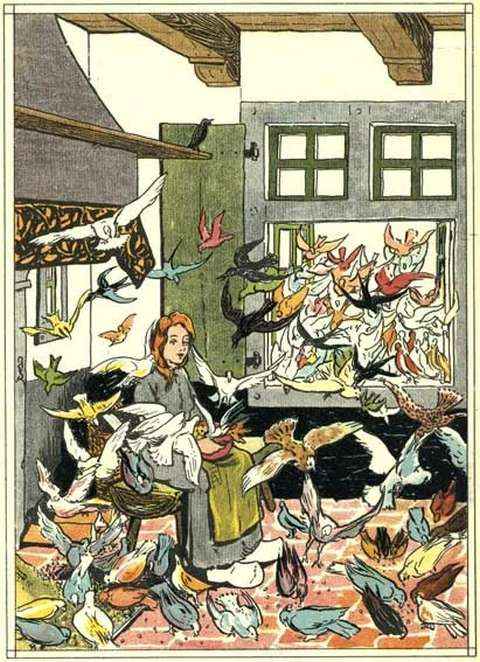
Postcard by Jenny Nystrom and illustration by Daan Hoeksema
Leaving Home
Leaving home is very likely the most often-used theme in fairy tales. Cinderella’s position is very bad. We don’t see any way to improve it within the existing parameters. Leaving home, taking risks, and finding new friends are obvious choices. When her wish to leave the house at least for the ball is denied, she is forced to break the rules, disobey her stepmother’s orders, and go anyway.
Her decision to participate in the dance is a decision to grow up. Essentially, every classic fairy tale is about growing up, and Cinderella is a perfect example.
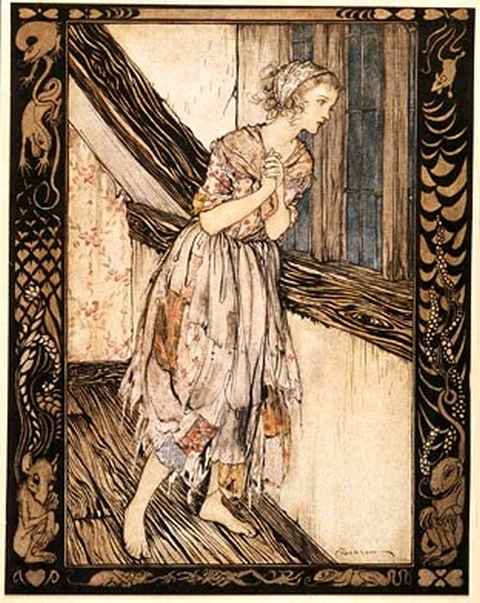
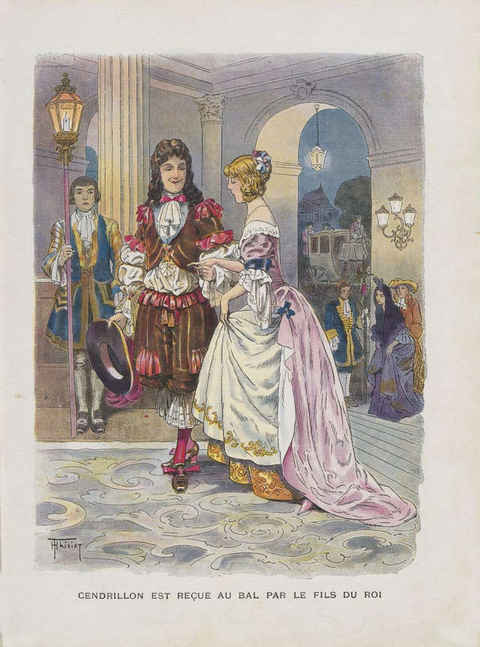
Illustrations by Arthur Rackham and Henri Thiriet
Fairy Helper
Humans are social beings. Even Robinson Crusoe had company. Cinderella is no exception. She is alone and abused in her own home, where she doesn’t have a single ally. Kindness brings her helpers in the form of birds, but this is not enough. Then the fairy godmother (French version) or a magical tree (German version) brings her some valuable support. A splendid dress and a luxurious carriage will serve as necessary tools to enter the ball. There, she excels and wins the main prize – a marriage with a prince.
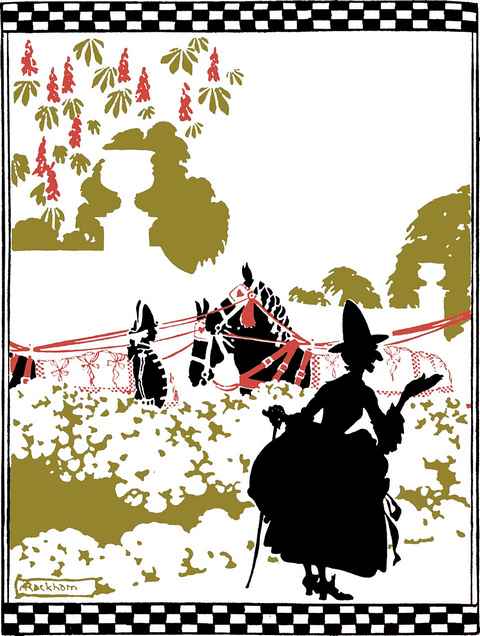
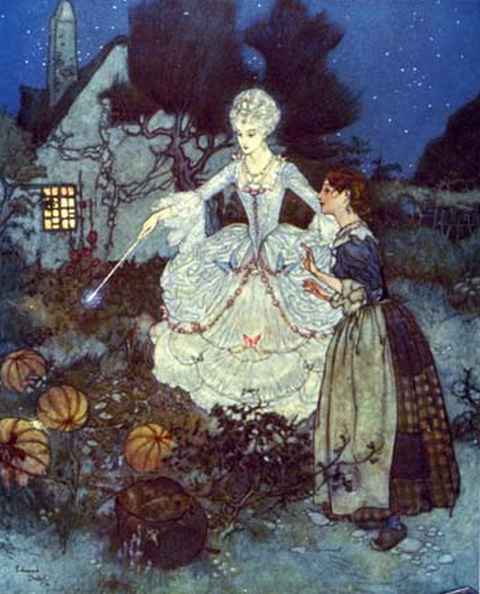
Illustrations by Arthur Rackham and Edmund Dulac
We shall note that Cinderella doesn’t achieve her breakthrough alone. She had help. She will continue to have at least one ally – the prince. Even the prince has to earn his status. As a married man, he can become a king. He has to disclose her identity. This is not an easy task. He only had a lost slipper and has to try it on numerous girls before he finds the right one.
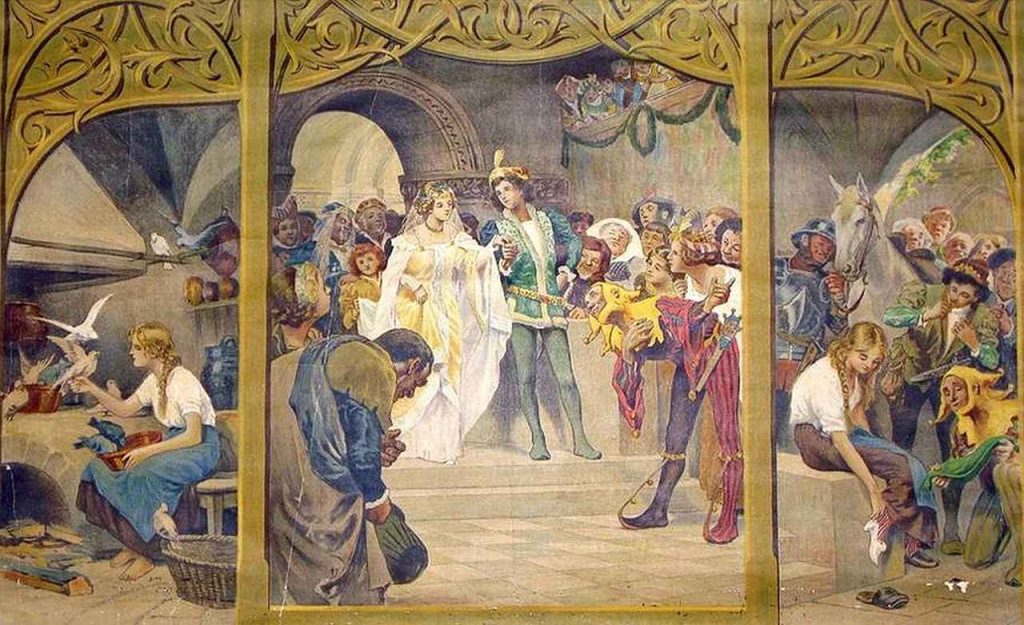
Wall Painting by Paul Hey
Revenge
Cinderella is not a typical revenge tale. Although kindness is considered the sweetest revenge and success is considered the best revenge, different authors offered different solutions to her problems with her siblings. The most popular versions are almost diametrical. French Cinderella (Cendrillon) is forgiving, and she even finds appropriate husbands of noble origins for her wicked stepsisters. German Cinderella (Aschenputtel) ends with cruel punishment – both stepsisters end with mutilated feet and without eyes.
Happy End
Not all fairy tales end with happily ever after, but the majority of the most popular ones do. Her ending, in which she leaves all her bad experiences behind to start a new life with a prince as the personification of an ideal partner, has inspired generations of people on the verge of adolescence and adulthood. Two traditions and rituals are especially closely related to Cinderella. This is evident in the popularity of Cinderella themes for birthdays, especially Quinceaneras, and weddings.
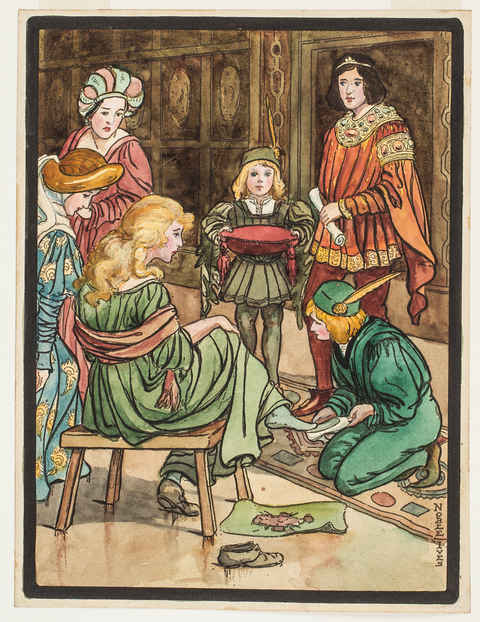
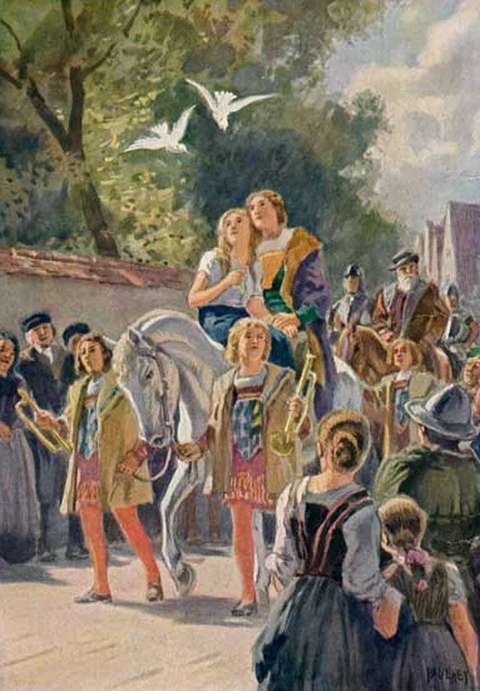
Illustrations by Sarah Noble Ives and Paul Hey
Conclusion
Cinderella is not so globally accepted for nothing. Its seemingly simple storyline addresses universal themes each of us can identify with. Everyone will feel like Cinderella at some point in their life. Knowing her story from an early age can be crucial to one’s perception of life.
Yes, life is not fair. However, it’s up to us whether we see ourselves as victims or underdogs determined to win. If you’ve never read Cinderella to your children, do so as soon as it’s appropriate. If you already told it, do that again.
Enjoy and share!
Leave a Reply